

Many people brush off diarrhea as something that will pass on its own, but when you’re making constant trips to the bathroom, feeling drained, or worrying about dehydration, it’s understandable to want answers quickly. Whether the symptoms started suddenly or have continued for more than a day, knowing when to pay attention can make a big difference in protecting your health and getting the right care.
While many cases improve with rest and hydration, diarrhea can sometimes become a medical emergency, especially when it is severe, persistent, or accompanied by symptoms like high fever, bloody stools, severe abdominal pain, or signs of dehydration. If you’re wondering what causes diarrhea, recognizing possible causes and knowing when to seek emergency care can help prevent serious complications. Our emergency room in Fort Worth provides prompt evaluation and treatment for severe diarrhea symptoms.
What Is Diarrhea?
Diarrhea is a condition that causes loose, watery stools and more frequent bowel movements than normal, usually three or more times in 24 hours. It can be acute, persistent, or chronic and may also cause abdominal cramps, urgency, nausea, and dehydration. While many cases are mild and resolve on their own, severe or long-lasting diarrhea requires prompt medical evaluation to prevent complications.
NIH Study: According to the National Institute of Diabetes and Digestive and Kidney Diseases (NIDDK), up to 5% of people in the United States have chronic diarrhea, making it a common digestive condition that may require medical care.
Diarrhea Causes You Should Know
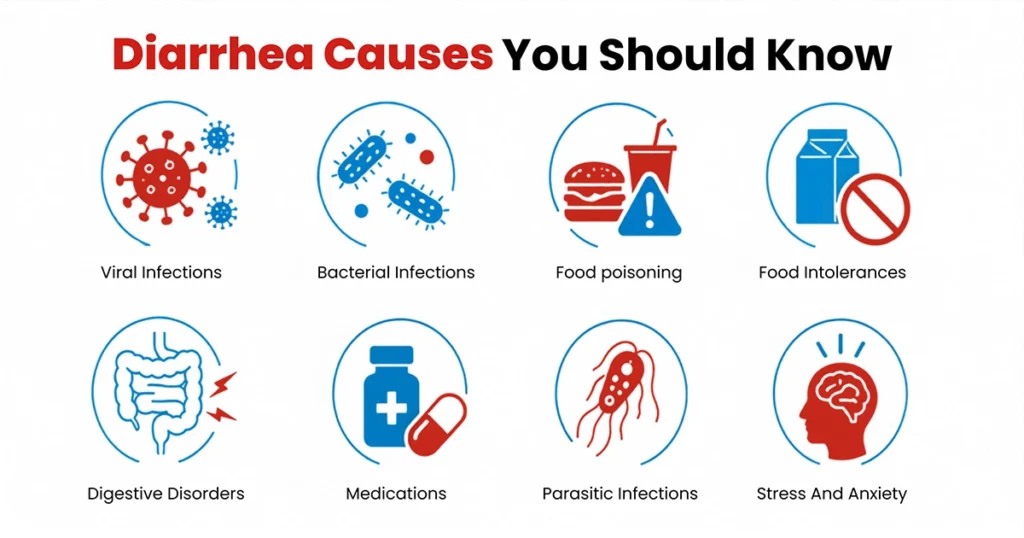
When diarrhea starts suddenly or becomes severe, it’s natural to wonder what’s causing it and whether it will resolve on its own. While many cases are temporary, others may signal an underlying illness that requires medical attention. Identifying the cause is important because the right treatment depends on what’s triggering your symptoms.
1. Viral Infections
Viral infections are one of the most common diarrhea causes and often result from viruses such as norovirus and rotavirus. These infections spread easily through contaminated food, water, or close contact with an infected person. Symptoms may include watery diarrhea, vomiting, nausea, stomach cramps, and low-grade fever. Most cases improve within a few days, but dehydration can become serious if fluids are not replaced.
2. Bacterial Infections
Bacteria such as Salmonella, Campylobacter, Shigella, and certain strains of Escherichia coli (E. coli) can cause diarrhea after consuming contaminated food or water. Symptoms often develop suddenly and may include severe abdominal cramps, fever, nausea, and sometimes bloody stools. Prompt medical evaluation is important if symptoms are severe or persistent.
3. Food Poisoning
Food poisoning occurs after eating food contaminated with harmful bacteria, viruses, or toxins. It commonly causes sudden diarrhea along with vomiting, stomach pain, and nausea within hours or days of eating contaminated food. While mild cases often resolve on their own, severe food poisoning can lead to dehydration and may require emergency treatment.
4. Food Intolerances
Some people develop diarrhea because their digestive system cannot properly process certain foods. Lactose intolerance, fructose intolerance, and sensitivity to artificial sweeteners are common examples. Symptoms usually appear shortly after eating the trigger food and may include bloating, gas, abdominal discomfort, and loose stools. Avoiding the offending food often helps prevent future episodes.
5. Digestive Disorders
Chronic digestive conditions such as irritable bowel syndrome (IBS), Crohn’s disease, ulcerative colitis, and celiac disease can cause recurring diarrhea. These conditions affect how the digestive tract functions or become inflamed over time. People may also experience abdominal pain, weight loss, fatigue, or blood in the stool. Medical diagnosis and long-term management are essential.
6. Medications
Certain medications can disrupt normal bowel function and lead to diarrhea. Antibiotics are a common cause because they alter the balance of healthy bacteria in the intestines. Other medications, including some antacids, chemotherapy drugs, and diabetes medications, may also trigger loose stools. Never stop a prescribed medication without consulting your healthcare provider.
7. Parasitic Infections
Parasites can enter the body through contaminated food or water, especially while traveling or in areas with poor sanitation. Infections caused by organisms such as Giardia may lead to prolonged diarrhea, bloating, abdominal cramps, and weight loss. These infections usually require prescription medications for complete treatment.
8. Stress And Anxiety
Emotional stress and anxiety can affect communication between the brain and the digestive system, with stress causing diarrhea in some people. This is particularly common in individuals with irritable bowel syndrome. Symptoms may worsen during stressful situations and improve once stress is managed. Persistent diarrhea should still be evaluated to rule out underlying medical conditions.
Also Read: How to Stop Diarrhea Fast
Diarrhea Symptoms That Shouldn’t Be Ignored
Diarrhea is often more than just frequent loose stools. Depending on the underlying cause, it may be accompanied by other symptoms that can range from mild to life-threatening. Recognizing these warning signs early can help you determine when medical evaluation is necessary.
- Frequent loose or watery stools.
- Sudden urgency to have a bowel movement.
- Abdominal cramps or stomach pain.
- Bloating or excessive gas.
- Nausea or vomiting.
- Fever or chills.
- Blood or mucus in the stool.
- Signs of dehydration, such as extreme thirst, dry mouth, dizziness, dark urine, or reduced urination.
- Weakness or fatigue.
- Unexplained weight loss, especially with persistent diarrhea.
If diarrhea is accompanied by severe or worsening stomach pain, visit an ER for abdominal pain for prompt evaluation and treatment.
When To Go To The ER
Most cases of diarrhea improve within a few days, but severe symptoms can quickly lead to dehydration and other serious complications. Seek emergency medical care immediately if diarrhea is severe, lasts longer than expected, or is accompanied by warning signs that may indicate a serious infection, significant fluid loss, or another medical emergency.
- Severe or persistent diarrhea lasting more than 48 hours in adults.
- Signs of severe dehydration, including extreme thirst, dry mouth, dizziness, confusion, or little to no urination.
- Blood or black, tarry stools.
- Severe or worsening abdominal pain.
- A high fever (102°F/39°C or higher).
- Persistent vomiting that prevents you from keeping fluids down.
- Fainting or loss of consciousness.
- Rapid heartbeat or difficulty breathing.
- Diarrhea in infants, older adults, or people with weakened immune systems accompanied by dehydration or worsening symptoms.
If you are experiencing these warning signs and searching for an ER near me, seek immediate medical attention to prevent serious complications.
Diarrhea Treatment
The right treatment for diarrhea depends on its cause and severity. Mild cases often improve with hydration and supportive care, while severe or persistent diarrhea may require medical treatment. If you have signs of dehydration, bloody stools, or a high fever, seek medical attention immediately.
- Oral Rehydration Solution (ORS): The most important treatment for diarrhea is replacing lost fluids and electrolytes. Most doctors recommend oral rehydration solution (ORS) to prevent and treat dehydration, especially in children, older adults, and people with frequent watery stools.
- Over-the-Counter Anti-Diarrheal Medications: Most doctors recommend loperamide or bismuth subsalicylate for certain cases of uncomplicated diarrhea. These medicines should only be used as directed and should be avoided unless a doctor advises otherwise if you have bloody diarrhea or a high fever.
- Prescription Antibiotics: If diarrhea is caused by a bacterial infection, antibiotics prescribed by a doctor may be needed. They are not effective for viral diarrhea and should only be taken when medically indicated.
- Dietary Changes: Eating bland, easy-to-digest foods such as bananas, rice, applesauce, and toast (the BRAT diet) while avoiding greasy, spicy, and high-fat foods can help reduce symptoms and support recovery.
- IV Fluids: Severe dehydration caused by prolonged or severe diarrhea may require intravenous (IV) fluids in the emergency room to quickly restore fluids and electrolytes. This treatment is recommended for patients who cannot stay hydrated by drinking fluids alone.
Diarrhea Care At Exceptional Emergency Centers
Severe diarrhea can quickly cause dehydration and other serious complications. If you’re concerned about what causes diarrhea or have symptoms like bloody stools, high fever, or severe abdominal pain, don’t delay emergency care. Our ERs offer an average ER wait time of just 5 minutes, providing fast evaluation and treatment when you need urgent medical attention.
At Exceptional Emergency Centers, our emergency physicians are available 24/7 to evaluate and treat acute diarrhea. We provide rapid diagnosis, IV fluids, symptom relief, and personalized care to help you recover safely and quickly.
Key Takeaways
- Diarrhea is characterized by loose, watery stools and can result from infections, food intolerances, medications, or digestive disorders.
- Stay hydrated with oral rehydration solution (ORS), as it is the most important treatment to prevent dehydration and electrolyte loss.
- Seek emergency care immediately if diarrhea is accompanied by bloody stools, a high fever, severe abdominal pain, persistent vomiting, or signs of dehydration.
- Early diagnosis and treatment can help identify the underlying cause, relieve symptoms, and prevent serious complications.
Frequently Asked Questions
What To Eat When You Have Diarrhea?
Eat bland, easy-to-digest foods such as bananas, rice, applesauce, toast, plain potatoes, crackers, and broth-based soups. Drink plenty of water or oral rehydration solution (ORS) to replace lost fluids, and avoid spicy, greasy, high-fat foods, caffeine, alcohol, and dairy if they worsen your symptoms.
How Long Does Diarrhea Last?
Acute diarrhea usually lasts 1 to 3 days and often resolves on its own. If diarrhea continues for more than 2 days in adults, more than 24 hours in young children, or lasts over 4 weeks, it should be evaluated by a healthcare provider.
Is Frequent Diarrhea A Sign Of Cancer?
Frequent diarrhea is not usually a sign of cancer. It is more commonly caused by infections, food intolerances, medications, or digestive disorders. However, persistent diarrhea accompanied by unexplained weight loss, blood in the stool, or ongoing abdominal pain should be medically evaluated.
Can Dehydration Cause Diarrhea?
No, dehydration does not usually cause diarrhea. Instead, diarrhea is one of the leading causes of dehydration because the body loses large amounts of water and electrolytes through frequent loose stools.
Is Diarrhea A Symptom Of Pregnancy?
Yes, diarrhea can occur during pregnancy due to hormonal changes, dietary changes, prenatal vitamins, or mild infections. However, severe or persistent diarrhea during pregnancy should be evaluated promptly to prevent dehydration and protect both the mother and baby.
Can Antibiotics Give You Diarrhea?
Yes. Antibiotics can cause diarrhea by disrupting the balance of healthy bacteria in your intestines. The symptoms are usually mild, but severe or persistent diarrhea may indicate a more serious condition and should be evaluated by a healthcare provider.