
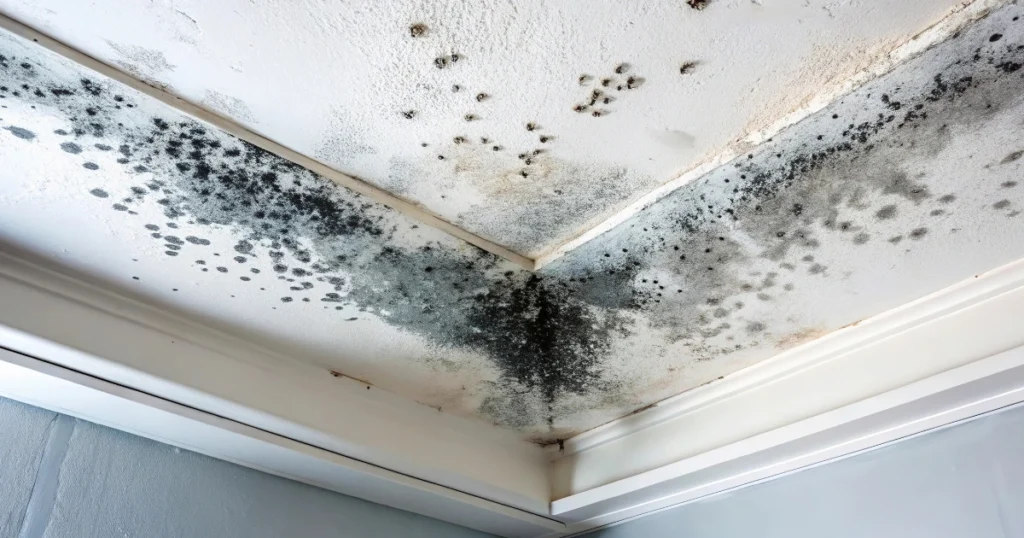
Discovering dark, fuzzy patches spreading across a bathroom ceiling, basement wall, or window sill can be unsettling, especially once you start to wonder what it might be doing to your health. What looks like a small stain can spread quickly in damp conditions and become a bigger problem the longer it’s ignored.
In most cases, small areas of mold can be cleaned safely at home, but some situations call for professional help or medical evaluation if exposure starts to affect your breathing or overall health. Visit the Port Arthur emergency room for timely assessment and care if you experience symptoms of mold exposure.
What Is Black Mold?
Black mold is a common term for dark-colored fungi that grow in damp, poorly ventilated areas such as bathrooms, basements, attics, and around leaky pipes. While many molds appear black, the species most often linked to indoor mold problems is Stachybotrys chartarum, which thrives on moisture and organic material like drywall or wood. Removing it promptly helps protect both your home and your health.
A National Academy of Sciences review found sufficient evidence linking mold in damp indoor environments to upper respiratory symptoms, coughing, and wheezing, particularly in people who are already sensitized or have existing respiratory conditions, though evidence was insufficient to confirm links to more severe outcomes like neurological disease.
Symptoms Of Mold Exposure To Watch For
- Sneezing, nasal congestion, or a runny nose.
- Coughing, wheezing, or shortness of breath.
- Red, watery, or itchy eyes.
- Skin irritation or rash after contact with mold.
- Sore throat or throat irritation.
- Worsening asthma symptoms in those with existing respiratory conditions.
- Headaches or fatigue in some sensitive individuals.
If you notice these symptoms after spending time around visible mold, it may be worth having the area evaluated. Visit the ER near me for urgent care to help determine whether mold exposure is contributing to your discomfort.
How To Get Rid Of Black Mold
The right removal approach depends on the size of the affected area, the surface involved, and whether the mold has spread into hidden or hard-to-reach spaces. Small, isolated patches are often manageable with basic cleaning, while larger or recurring mold problems may need professional remediation.
For Small, Hard Surfaces
This approach works for small mold patches on non-porous surfaces such as tile, glass, or countertops.
Clean With Detergent And Water
Scrub the area with a mixture of household detergent and water using a stiff brush, then rinse and dry the surface completely. Removing all visible mold, not just the color, is important since roots can remain beneath the surface.
Use A Diluted Bleach Solution
For non-porous surfaces, a solution of about one cup of bleach per gallon of water can help kill remaining mold spores. Always ventilate the area, wear gloves, and avoid mixing bleach with ammonia or other cleaning products.
For Porous Or Absorbent Materials
This approach applies to materials like drywall, carpet, and ceiling tiles, which are more difficult to fully clean once mold has set in.
Remove And Replace Affected Material
Porous materials that have absorbed mold often cannot be fully cleaned and may need to be cut out and replaced, especially if the mold covers a large area or has been present for a long time.
Dry The Area Completely Before Repair
Any repair or replacement should wait until the underlying moisture source is fixed and the area is completely dry, since replacing material without addressing moisture allows mold to return.
For Larger Or Recurring Mold Problems
This approach applies when mold covers a large surface area, keeps returning, or is linked to an ongoing moisture issue.
Identify And Fix The Moisture Source
Mold cannot be permanently removed without addressing the leak, humidity, or ventilation problem causing it. This may involve fixing plumbing, improving ventilation, or repairing roof or window leaks.
Hire A Professional Mold Remediation Service
Mold covering more than about 10 square feet, or mold found in HVAC systems, often requires professional remediation to ensure safe and complete removal, especially in homes with vulnerable residents.
Prevention After Removal
Once mold has been removed, these steps help reduce the chance it returns.
Control Indoor Humidity
Keeping indoor humidity below 50%, using exhaust fans, and fixing leaks promptly can help prevent the damp conditions mold needs to grow.
Improve Air Circulation
Regularly ventilating bathrooms, kitchens, and other moisture-prone areas helps surfaces dry faster and reduces the conditions that allow mold to establish itself.
When To Go To The ER
Mild mold exposure symptoms are often manageable at home once the mold is removed, but some reactions can be more serious, especially for people with asthma, allergies, or weakened immune systems. It is important to seek emergency care if symptoms suggest a severe reaction or breathing difficulty.
- Severe shortness of breath or difficulty breathing.
- Chest tightness or wheezing that does not improve.
- A severe asthma attack triggered by mold exposure.
- Swelling of the face, lips, or throat.
- Signs of a severe allergic reaction, such as widespread hives.
- High fever, chills, or muscle aches after heavy mold exposure.
- Symptoms that rapidly worsen despite leaving the affected area.
If you experience any of these serious symptoms, do not delay medical attention. Visit the closest emergency room near me for prompt evaluation and treatment.
Mold Exposure Care At Exceptional Emergency Centers
Symptoms from mold exposure can sometimes be more serious than they first appear, especially for those with asthma, allergies, or compromised immune systems. Even symptoms that seem mild may benefit from medical evaluation to rule out a more significant reaction. Our 24/7 emergency room provides prompt evaluation and care for symptoms related to mold exposure and other urgent health concerns.
At Exceptional Emergency Centers, our team provides prompt care for respiratory and allergic symptoms, including evaluation, symptom management, and treatment guidance. Early medical attention helps protect your health and supports a faster recovery.
Key Takeaways
- Black mold thrives in damp, poorly ventilated areas and can affect both your home and your health.
- Removal methods depend on the surface type and the size of the affected area, ranging from basic cleaning to professional remediation.
- Fixing the underlying moisture source is essential to prevent mold from returning after removal.
- Symptoms of mold exposure may include coughing, sneezing, skin irritation, red eyes, and worsening asthma symptoms.
- Severe reactions, including breathing difficulty or a severe asthma attack, require emergency care.
- Controlling humidity and improving ventilation are key steps in preventing mold growth long-term.
Frequently Asked Questions
Can I Remove Black Mold Myself?
Small areas of mold on non-porous surfaces can often be cleaned safely with household detergent or a diluted bleach solution. Larger areas, porous materials, or recurring mold problems are generally best handled by a professional.
Is Black Mold Dangerous To Breathe?
Black mold can trigger allergic and respiratory symptoms in sensitive individuals, particularly those with asthma or existing respiratory conditions. While most reactions are mild, some people may experience more significant symptoms and should seek medical evaluation if needed.
How Do I Know If I Have Black Mold In My House?
Common signs include a musty odor, visible dark or black spots on walls, ceilings, or around plumbing fixtures, and recurring allergy-like symptoms among household members. A professional mold inspection can confirm the type and extent of mold present.
How Long Does It Take To Get Rid Of Black Mold?
Small areas can often be cleaned within a day, while larger infestations involving professional remediation may take several days to a week or more, depending on the extent of the damage and the need for repairs.