
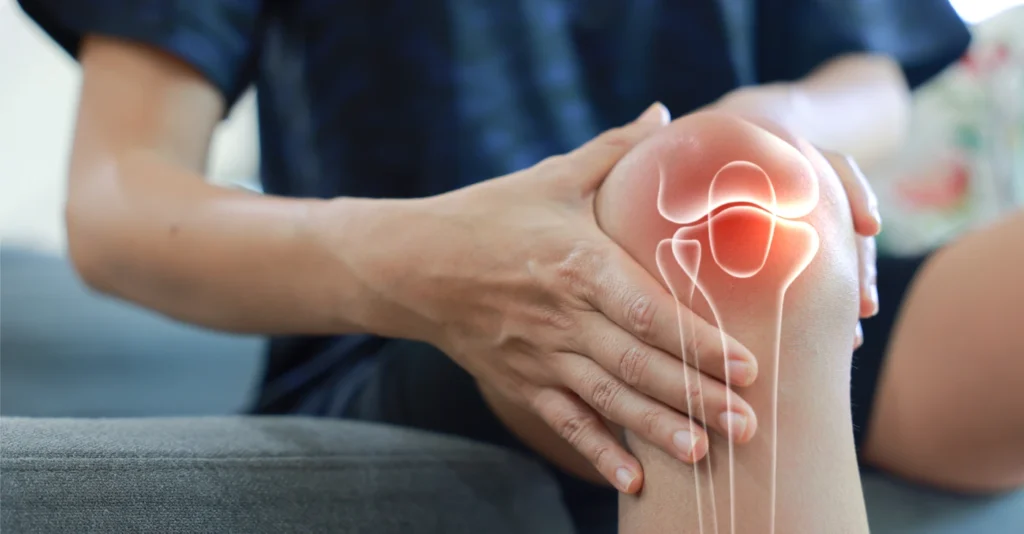
A meniscus tear is a common knee injury that can cause pain, swelling, stiffness, and difficulty moving the joint. It can make simple activities like walking, climbing stairs, or bending the knee uncomfortable and limit your daily routine.
Ignoring these symptoms may allow the injury to worsen, increasing the risk of knee locking, instability, and long-term joint damage. If you have severe pain, rapid swelling, or cannot bear weight, seek prompt medical evaluation. Visit our Beaumont ER for immediate assessment and treatment to help prevent further complications and protect your knee function.
Dangerous Meniscus Tear Symptoms To Watch For
A meniscus tear can cause symptoms that range from mild knee discomfort to severe joint damage requiring prompt medical attention. According to the National Institutes of Health (NIH), meniscal tears are among the most common knee injuries and can significantly impair mobility if left untreated. Seek medical evaluation if you experience any of the following symptoms:
- A sudden popping sensation in the knee at the time of injury.
- Sharp knee pain that worsens when twisting, squatting, or bearing weight.
- Swelling that develops within a few hours or over the next day.
- Stiffness and reduced range of motion in the knee.
- Difficulty straightening or bending the knee completely.
- A feeling that the knee is locking, catching, or getting stuck.
- The knee feels unstable or gives way while walking.
- Severe pain, inability to bear weight, significant swelling, or a visibly deformed knee, which requires immediate emergency medical attention.
Prompt knee pain treatment is essential to reduce pain, prevent further joint damage, and improve recovery, especially if symptoms are severe or follow a traumatic injury.
What Causes A Meniscus Tear?
A meniscus tear can affect anyone and may develop suddenly or gradually over time. Knowing what increases your risk can help you protect your knees, recognize symptoms early, and seek treatment before the injury becomes more severe.
- Twisting Or Pivoting Movements: A sudden twist of the knee while your foot stays planted can place excessive stress on the meniscus, causing it to tear. This is especially common during sports that involve quick changes in direction.
- Sports-Related Injuries: High-impact activities such as football, basketball, soccer, and tennis increase the risk of a meniscus tear due to frequent jumping, cutting, and rapid acceleration or stopping.
- Age-Related Degeneration: As you get older, the meniscus naturally becomes less flexible and more prone to tearing. Even a minor movement or simple daily activity can lead to a tear in a weakened meniscus.
- Heavy Lifting Or Deep Squatting: Repeatedly lifting heavy objects or performing deep squats places significant pressure on the knee joint, increasing the likelihood of a meniscus injury.
- Direct Trauma To The Knee: A forceful blow to the knee during a fall, collision, or accident can damage the meniscus, particularly when combined with a twisting motion.
- Previous Knee Injuries: A history of ligament injuries or prior knee trauma can make the knee less stable, increasing the risk of developing a meniscus tear in the future.
Types Of Meniscus Tears
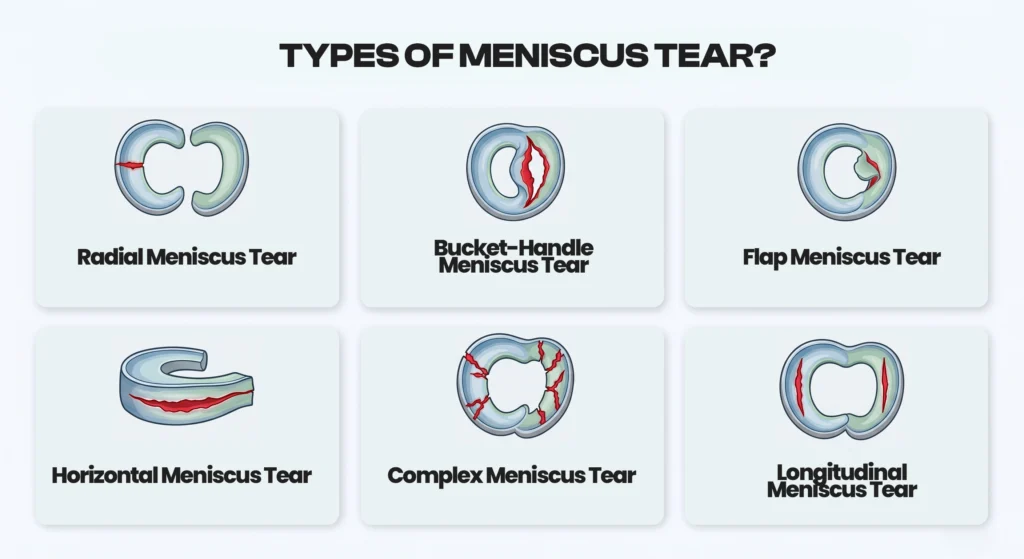
Not all meniscus tears are the same, and the type of tear can affect your symptoms, treatment options, and recovery time. Some tears may heal with conservative care, while others require surgical repair. Understanding the different types helps you recognize the seriousness of the injury and why an accurate diagnosis is important.
Radial Meniscus Tear
A radial tear begins at the inner edge of the meniscus and extends outward. It is one of the most common types of meniscus tears and can interfere with the meniscus’s ability to absorb shock. Small tears may be managed without surgery, but larger tears often require surgical treatment to restore knee function.
Bucket-Handle Meniscus Tear
A bucket-handle tear is a large vertical tear in which a portion of the meniscus flips into the knee joint. This type commonly causes the knee to lock or become stuck, making it difficult to fully straighten the leg. Because it can significantly affect mobility, prompt medical evaluation is often necessary.
Flap Meniscus Tear
A flap tear occurs when a loose piece of the meniscus folds over and catches inside the knee joint. This may cause clicking, catching, pain, or a sensation that something is moving inside the knee. Treatment depends on the size and location of the torn flap.
Horizontal Meniscus Tear
A horizontal tear runs parallel to the surface of the meniscus and is more common in older adults due to age-related degeneration. It can lead to persistent knee pain, swelling, and sometimes the formation of meniscal cysts. Management may include physical therapy or surgery, depending on the severity.
Complex Meniscus Tear
A complex tear combines two or more tear patterns, making it more difficult to treat than a simple tear. These injuries are often associated with long-term wear and degeneration rather than a single traumatic event. Treatment is individualized based on the extent of damage and the patient’s symptoms.
Longitudinal Meniscus Tear
A longitudinal tear runs lengthwise along the meniscus fibers. When diagnosed early and located in an area with a good blood supply, it has a better chance of healing with surgical repair. If left untreated, it may progress into a more severe bucket-handle tear.
Meniscus Tear Recovery Time
Recovery from a meniscus tear depends on the type, size, and severity of the injury, as well as the treatment you receive. While some people recover within a few weeks, more complex tears or those requiring surgery may take several months to heal completely.
- Minor Meniscus Tear: Recovery typically takes 4–8 weeks with rest, physical therapy, and activity modification.
- Moderate Meniscus Tear: Healing usually takes 2–3 months, depending on the extent of the injury and rehabilitation.
- Meniscus Repair Surgery: Recovery generally takes 3–6 months, as the repaired tissue needs time to heal before returning to full activity.
- Partial Meniscectomy: Most people recover within 4–6 weeks, although returning to high-impact sports may take longer.
- Return To Sports: Athletes are often able to return to sports in 3–6 months, depending on the type of tear, treatment, strength, and medical clearance.
When To Go To The ER
While some meniscus tears can be treated with rest and follow-up care, certain symptoms may indicate a serious knee injury that requires immediate medical attention. Going to the ER promptly can help prevent further joint damage and improve your chances of a full recovery.
- Severe Knee Pain: Intense pain that does not improve with rest or makes movement impossible.
- Inability To Bear Weight: You cannot stand or walk on the injured leg without significant pain or instability.
- Knee Locking: Your knee becomes stuck and you cannot fully bend or straighten it.
- Rapid Swelling: Significant swelling develops within a few hours after the injury.
- Visible Knee Deformity: The knee looks misshapen or appears out of place after trauma.
- A Popping Sound Followed By Instability: You heard a pop at the time of injury and your knee feels like it will give out.
- Numbness Or Loss Of Circulation: Your foot becomes numb, cold, pale, or changes color after the injury.
- Signs Of Infection: Fever, increasing redness, warmth, severe swelling, or pus from a recent knee surgery or wound.
If you’re searching for the closest emergency room near me, don’t delay care. Prompt emergency evaluation can help diagnose a serious meniscus tear or other knee injury, relieve pain, and reduce the risk of permanent joint damage.
Meniscus Tear Care At Exceptional Emergency Centers
A meniscus tear can cause severe pain, swelling, knee locking, or difficulty walking, and these symptoms should never be ignored. Early emergency evaluation can help identify the extent of the injury, relieve pain, and rule out fractures, ligament damage, or other serious knee conditions that require immediate treatment. At our ER wait times, we offer an average wait time of just 12 minutes, so you can receive prompt evaluation and treatment when every minute matters.
At Exceptional Emergency Centers, our experienced emergency team is available 24/7 to evaluate acute knee injuries with advanced diagnostic imaging and prompt medical care. We provide fast pain management, stabilize your condition, and help you take the next steps toward recovery with timely referrals and personalized treatment recommendations.
Key Takeaways
- A meniscus tear is a common knee injury that can cause pain, swelling, stiffness, and limited movement.
- Sudden twisting, sports injuries, aging, and direct trauma are among the most common causes of a meniscus tear.
- Different types of meniscus tears require different treatment approaches and have varying recovery times.
- Mild tears may heal with conservative treatment, while severe or complex tears may require surgery.
- Recovery can take anywhere from 4 weeks to 6 months, depending on the severity of the injury and treatment.
- Seek emergency medical care if you cannot bear weight, your knee locks, severe swelling develops quickly, or you notice signs of infection or poor circulation.
- Early diagnosis and prompt treatment can help prevent long-term knee damage and improve recovery outcomes.
Frequently Asked Questions
What Does A Meniscus Tear Feel Like?
A meniscus tear often feels like a sharp pain along the knee, especially when twisting or squatting. You may also experience swelling, stiffness, clicking, locking, or the feeling that your knee is giving way.
When Is Meniscus Tear Surgery Needed?
Meniscus tear surgery may be recommended if the tear is severe, causes knee locking or instability, or does not improve with rest, physical therapy, and other non-surgical treatments. Your orthopedic specialist will determine the best treatment based on the type and location of the tear.
Can A Meniscus Tear Heal On Its Own?
Some small meniscus tears, particularly those in the outer part of the meniscus with a good blood supply, can heal with conservative treatment. Larger or complex tears are less likely to heal on their own and may require surgery.