

A dry cough is more than just an irritating tickle in the throat; it’s a persistent, non-productive cough that can disrupt sleep, work, and daily life. Unlike wet coughs that clear mucus from the airways, a dry cough produces little to no phlegm and often signals irritation, inflammation, or an underlying health issue. While it can appear harmless at first, ignoring a persistent dry cough may delay treatment for more serious conditions.
A dry cough can be triggered by everyday irritants, minor infections, or chronic conditions. Its frequency, intensity, and timing can reveal clues about the underlying cause. Recognizing the symptoms early, understanding potential triggers, and knowing when to seek medical attention are essential for managing this common yet sometimes concerning symptom. For severe or persistent cases, visiting an Amarillo emergency room can ensure timely evaluation and care.
Difference Between Dry Cough and Wet Cough
Understanding the difference between dry and wet coughs is the first step in identifying the cause and choosing the right treatment.
- Dry Cough: This cough produces little to no mucus and often feels ticklish or scratchy in the throat. It can be persistent, sometimes worse at night, and is typically caused by irritation, allergies, asthma, viral infections, or reflux.
- Wet Cough: Also called a productive cough, a wet cough clears mucus or phlegm from the airways. It usually accompanies respiratory infections, bronchitis, or pneumonia and may be accompanied by congestion or chest discomfort.
Recognizing whether a cough is dry or wet helps determine whether simple home care is sufficient or if medical intervention is needed. Dry coughs tend to be more irritating because they don’t relieve the airway, whereas wet coughs often serve a protective function by clearing mucus and pathogens.
Dry Cough Symptoms You Shouldn’t Neglect
While a mild dry cough may resolve on its own, certain symptoms indicate that monitoring or medical evaluation is necessary. Key symptoms include:
- Persistent throat irritation: A constant tickling or scratchy feeling that triggers repeated coughing.
- Frequent coughing fits: Occurring during the day or worsening at night, disrupting sleep.
- Sore throat: Caused by repeated coughing and inflammation of the throat lining.
- Chest tightness or mild discomfort: Strain from persistent coughing can affect chest muscles.
- Hoarseness or voice changes: Chronic coughing may impact the vocal cords over time.
- Shortness of breath or wheezing: Could indicate asthma, bronchitis, or other respiratory issues.
- Coughing blood or unusual sputum: Signals a serious underlying condition requiring immediate attention.
Monitoring these symptoms ensures early intervention and helps distinguish a simple irritation from a potentially serious health issue, prompting a visit to an emergency room near me if needed.
Causes of Dry Cough
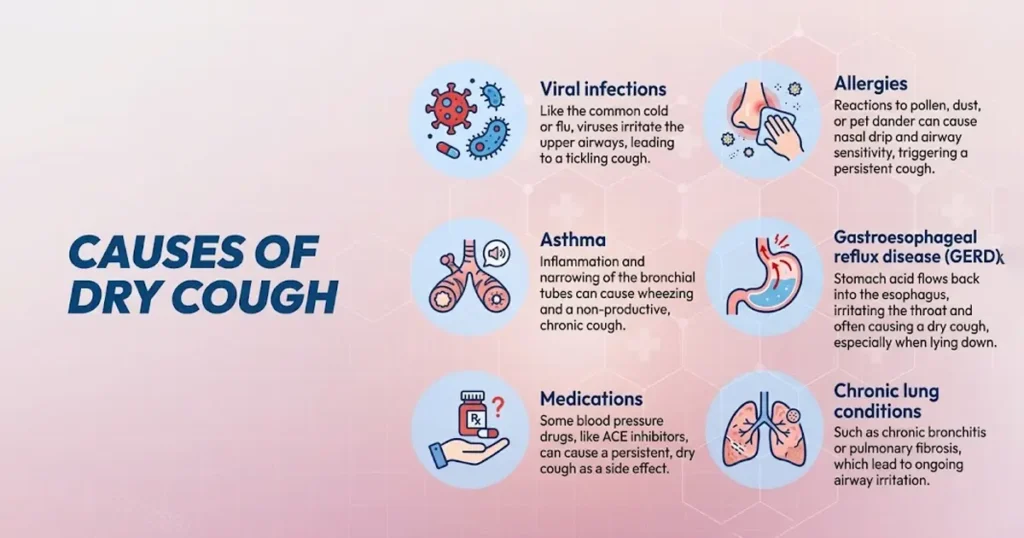
Dry coughs can arise from a variety of triggers, ranging from minor irritants to chronic medical conditions. Understanding the cause is crucial for effective treatment.
- Viral infections: The common cold, influenza, and other viral illnesses can trigger a dry cough. Often, the cough lingers as a post-viral symptom even after other symptoms resolve.
- Allergies: Pollen, dust, pet dander, mold, and environmental pollutants can irritate the throat and airways, triggering persistent coughing.
- Asthma: Known as cough-variant asthma, this type primarily presents as a dry cough that may worsen at night or during physical activity. Cold air and allergens can trigger episodes.
- Gastroesophageal reflux disease (GERD): Stomach acid traveling up into the esophagus irritates the throat, causing coughing that often worsens when lying down or after meals.
- Medications: Certain drugs, particularly ACE inhibitors for blood pressure, can cause a persistent dry cough. Symptoms usually resolve when the medication is adjusted or replaced under medical supervision.
- Chronic lung conditions: Less common but more serious causes include chronic bronchitis, interstitial lung disease, or other respiratory disorders.
Recognizing the specific trigger of a dry cough allows for targeted treatment, which is more effective than simply suppressing the cough symptomatically.
How to Get Rid of a Dry Cough
Treating a dry cough involves a combination of home care, over-the-counter solutions, and medical interventions, depending on the underlying cause.
- Home Remedies:
- Hydration: Drinking warm water, herbal teas, or broths soothes the throat and reduces irritation.
- Honey: A teaspoon of honey coats the throat, easing the urge to cough and providing temporary relief.
- Steam Inhalation: Inhaling steam adds moisture to dry airways and calms throat irritation.
- Humidifiers: Adding moisture to indoor air prevents throat dryness and reduces coughing frequency.
- Hydration: Drinking warm water, herbal teas, or broths soothes the throat and reduces irritation.
- Over-the-Counter Medications:
- Cough Suppressants: Medications containing dextromethorphan reduce the cough reflex for persistent or disruptive coughs.
- Throat Lozenges or Sprays: Provide temporary relief by soothing the throat lining and reducing irritation.
- Cough Suppressants: Medications containing dextromethorphan reduce the cough reflex for persistent or disruptive coughs.
- Medical Treatments:
- Asthma: Inhalers or corticosteroids reduce airway inflammation for cough-variant asthma.
- GERD: Proton pump inhibitors, H2 blockers, and dietary adjustments reduce acid reflux and prevent throat irritation.
- Allergies: Antihistamines or nasal sprays relieve allergy-induced coughs.
- Medication-Induced Cough: Doctors may adjust or replace medications like ACE inhibitors that cause the cough.
- Asthma: Inhalers or corticosteroids reduce airway inflammation for cough-variant asthma.
For children with severe or persistent symptoms, visiting an emergency room for pediatrics ensures specialized evaluation and timely treatment. A treatment plan tailored to the specific cause ensures both relief and long-term prevention, rather than merely suppressing the symptom.
When a Cough Is Dangerous
Although many dry coughs are harmless, certain symptoms indicate that the cough may reflect a more serious health issue:
- Persistent cough lasting over three weeks without improvement.
- Severe chest pain or tightness, especially if accompanied by shortness of breath.
- Coughing up blood or rust-colored sputum.
- High fever, night sweats, or unexplained weight loss.
- Wheezing or voice changes that persist over time.
Recognizing these warning signs is crucial. Ignoring them can delay diagnosis and treatment for infections, chronic lung conditions, or other serious medical issues, potentially leading to complications.
When to Go to the ER?
Seek immediate medical care if a dry cough is accompanied by any of the following serious warning signs:
- Difficulty breathing or gasping for air: Struggling to breathe, feeling short of breath, or experiencing sudden tightness in the chest can indicate a severe respiratory issue that requires urgent attention. Prompt intervention can prevent life-threatening complications.
- Chest pain radiating to the arm or jaw: Pain in the chest that spreads to the arm, jaw, or neck may signal a cardiac emergency such as a heart attack. Immediate evaluation at the ER can be life-saving.
- Severe, uncontrollable coughing fits: If coughing is persistent, intense, or disrupts daily activities and sleep, it can lead to exhaustion, dizziness, or even fainting. Medical care can help manage symptoms and identify the underlying cause.
- High fever, confusion, or blue lips: These signs may indicate a serious infection or dangerously low oxygen levels. Rapid assessment is crucial to prevent further complications.
- Sudden worsening in people with pre-existing heart or lung conditions: Individuals with asthma, COPD, or heart disease are at higher risk of complications if symptoms escalate quickly. Immediate medical attention ensures proper management and prevents severe outcomes.
For urgent care in such situations, visiting Exceptional Emergency Centers ensures accurate diagnosis, timely treatment, and reduced risk of serious complications.
FAQs
Why does my head hurt when I cough?
Headaches during coughing are often caused by increased pressure in the head and sinuses. Frequent or forceful coughing can strain blood vessels, leading to temporary pain. If headaches persist or are severe, it’s important to consult a doctor.
Why do we cough?
Coughing is the body’s natural defense mechanism to clear the airways of irritants, mucus, or foreign particles. It helps protect the lungs and throat from infections or environmental triggers. Persistent coughs may indicate an underlying condition that needs attention.
Can you cough in your sleep?
Yes, it is possible to cough in sleep, but it may be less noticeable because the body’s reflexes are reduced during deep sleep. Nighttime coughing can be triggered by post-nasal drip, acid reflux, or asthma. Severe or frequent coughing at night should be evaluated by a healthcare professional.
Summary
A dry cough is a persistent, non-productive cough that can be irritating and sometimes indicate an underlying health issue. Understanding the difference between dry and wet coughs, recognizing key symptoms, and identifying causes are critical steps in effective management. Treatments range from home remedies and over-the-counter medications to medical interventions for chronic conditions like asthma or GERD. Monitoring warning signs and seeking timely medical care ensures relief, prevents complications, and promotes overall respiratory health.