
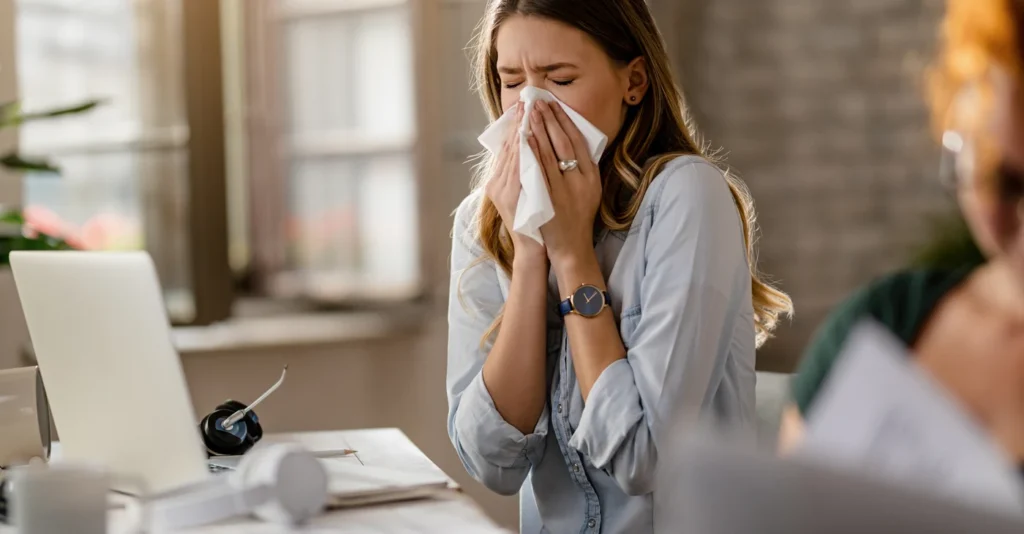
Allergies are one of the most common immune system conditions affecting people of all ages. They occur when the body’s immune system reacts unusually or excessively to substances that are normally harmless, such as pollen, dust, food, or pet dander. These substances are called allergens.
In a healthy immune response, the body only reacts to harmful invaders like bacteria or viruses. However, in people with allergies, the immune system mistakenly identifies harmless substances as threats and releases chemicals like histamine to fight them. This reaction causes the symptoms we associate with allergies, such as sneezing, itching, swelling, or breathing difficulties. According to medical sources such as the Mayo Clinic, allergies develop when the immune system becomes sensitive to specific allergens over time and overreacts upon exposure.
Understanding what causes allergies, how they develop, and when they become serious is important for proper management and treatment. In severe cases where symptoms escalate rapidly or become life-threatening, seeking an emergency room near me is essential for immediate medical care and stabilization.
What Are Allergies?
Allergies are immune system reactions to substances that are typically harmless to most people. These substances, called allergens, can come from the environment, food, medication, or insects.
When a person with allergies comes into contact with an allergen, their immune system produces antibodies that trigger symptoms. These reactions can be mild or severe, depending on the person and the type of allergen.
Common allergens include:
- Pollen from trees, grass, and weeds
- Dust mites
- Mold spores
- Pet dander
- Certain foods (like peanuts, shellfish, or eggs)
- Insect stings
- Medications
Common Symptoms of Allergies
Allergic reactions can vary widely depending on the trigger and the individual’s sensitivity. According to the Asthma and Allergy Foundation of America, allergy symptoms can affect the respiratory system, skin, and eyes in different ways.
- Sneezing and runny or stuffy nose
- Itchy eyes, nose, or throat
- Skin reactions such as hives, redness, or rashes
- Coughing or wheezing, especially in respiratory allergies
- Swelling of the lips, face, or throat in more severe cases
- Watery eyes and general eye irritation
- Fatigue or feeling weak after prolonged allergic reactions
How Long Do Allergies Last?
The duration of allergies depends on the type and exposure level.
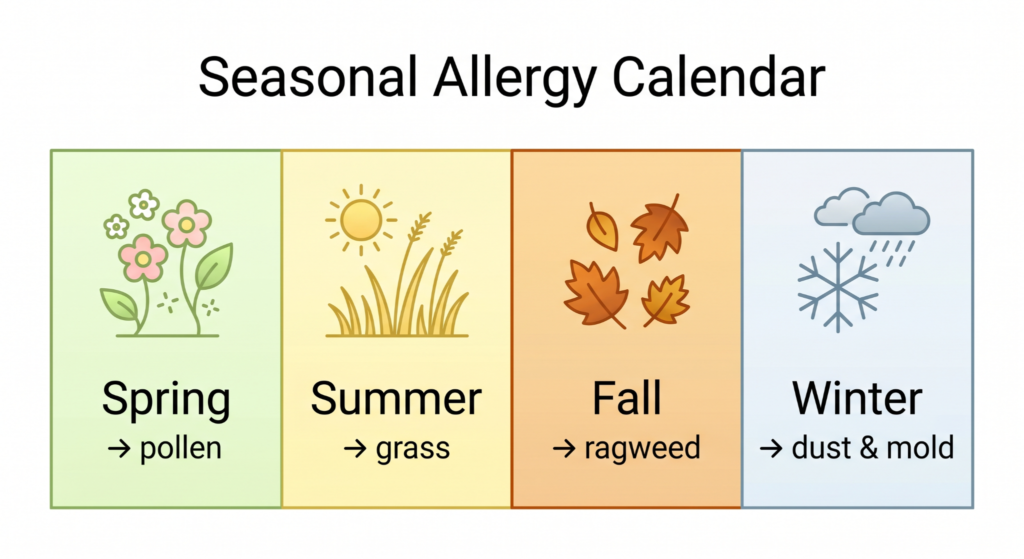
- Seasonal Allergies: These occur during specific times of the year (spring, summer, or fall) and can last weeks or months.
- Year-Round Allergies: Triggered by indoor allergens like dust mites or pet dander, these can persist throughout the year.
- Short-Term Reactions: Food or medication allergies usually last until the allergen leaves the body, though severe reactions may require medical treatment.
What Causes Allergies?
Allergies develop due to a combination of genetic and environmental factors. According to the Cleveland Clinic, allergies occur when the immune system becomes overly sensitive and produces antibodies against harmless substances.
1. Immune System Sensitivity
The immune system is designed to protect the body from harmful bacteria, viruses, and toxins. In people with allergies, however, the immune system mistakenly treats harmless substances like pollen, dust, or certain foods as dangerous invaders. This causes the body to release chemicals such as histamine, leading to symptoms like sneezing, itching, swelling, and congestion. Over time, the immune system can become increasingly sensitive to specific allergens.
2. Genetics
Allergies often run in families, meaning genetics can play a significant role in their development. If one or both parents have allergies, asthma, or eczema, their children are more likely to develop similar allergic conditions. While a person may not inherit the exact same allergy, they can inherit a higher tendency for an overactive immune response known as atopy.
3. Environmental Exposure
Frequent exposure to allergens and pollutants can increase the risk of developing allergies. Environmental triggers such as pollen, mold, cigarette smoke, dust mites, and air pollution may irritate the immune system and make the body more reactive over time. Seasonal changes and poor air quality can also worsen existing allergy symptoms.
4. Early Childhood Exposure
Researchers believe that limited exposure to certain bacteria and microbes during early childhood may affect how the immune system develops. This idea, often called the “hygiene hypothesis,” suggests that growing up in overly clean environments may reduce the immune system’s ability to recognize harmless substances properly, increasing the likelihood of allergies later in life.
5. Lifestyle and Location
Lifestyle habits and where a person lives can also influence allergy risk. Urban areas with higher pollution levels may expose people to more airborne irritants. Climate changes can extend pollen seasons and increase allergen levels in the environment. Additionally, factors such as stress, diet, indoor air quality, and smoking exposure may contribute to allergy development or worsening symptoms.
Are Allergies Genetic?
Yes, allergies can be genetic. This condition is known as “atopy,” where individuals inherit a tendency to develop allergic diseases.
If one parent has allergies, there is a higher chance their child will develop them. If both parents have allergies, the risk increases even more. However, genetics alone does not guarantee allergies. Environmental exposure also plays a major role in whether allergies develop.
How to Get Rid of Allergies?
While allergies cannot always be permanently cured, symptoms can often be managed effectively with the right combination of prevention, medication, and lifestyle adjustments. Treatment focuses on reducing exposure to allergens, controlling the immune system’s reaction, and preventing severe allergic episodes. The best approach depends on the type of allergy and how severe the symptoms are.
Avoid Triggers
One of the most effective ways to control allergies is to identify and avoid the substances that trigger symptoms. This may include limiting outdoor exposure during high pollen seasons, reducing contact with pet dander, avoiding certain foods, or improving indoor air quality. Allergy testing can help determine specific triggers so individuals can take preventive steps to reduce exposure and minimize reactions.
Medications
Doctors may recommend medications to help relieve allergy symptoms and reduce inflammation. Common options include:
- Antihistamines
- Nasal sprays
- Decongestants
- Eye drops
These treatments can help manage symptoms such as sneezing, itching, congestion, and watery eyes.
Allergy Immunotherapy
For people with persistent or severe allergies, allergy immunotherapy may provide long-term relief. This treatment gradually exposes the immune system to small amounts of allergens through allergy shots or tablets over an extended period of time. As the body becomes less sensitive to the allergen, symptoms may decrease significantly, and allergic reactions may become less severe. Immunotherapy is often recommended for environmental allergies that do not respond well to standard medications.
Lifestyle Changes
Simple lifestyle adjustments can also help reduce allergy symptoms and improve overall comfort, including:
- Keeping indoor spaces clean
- Using air filters
- Washing bedding regularly
- Showering after outdoor exposure
How to Treat Allergies?
Treatment depends on the severity and type of allergy. Mild cases are often treated with over-the-counter medications, while severe allergies may require prescription drugs or emergency intervention.
In cases of serious allergic reactions, such as difficulty breathing or swelling of the throat, immediate medical attention is necessary. Many people seek help at an allergy urgent care near me or an Exceptional Emergency Centers for fast treatment.
When to Go to the ER for Allergies?
Allergies can become life-threatening in severe cases, especially during anaphylaxis. Seek emergency care immediately if you experience:
- Difficulty breathing or shortness of breath
- Swelling of the face, lips, or throat
- Severe hives or widespread rash
- Dizziness or fainting
- Rapid heartbeat
- Loss of consciousness
Emergency Room Near Me for Allergies
Emergency rooms are equipped to handle severe allergic reactions quickly and safely. Facilities like Exceptional Emergency Centers provide 24/7 emergency care for allergic reactions and other urgent medical conditions. Treatment may include:
- Epinephrine injections
- Oxygen therapy
- Antihistamines and steroids
- IV fluids
- Continuous monitoring
Key Takeaways
- Allergies occur when the immune system overreacts to harmless substances.
- Common triggers include pollen, dust, food, and pet dander.
- Genetics and environment both play a role in development.
- Symptoms range from mild irritation to severe, life-threatening reactions.
- Allergies can be managed but not always fully cured.
- Severe reactions require immediate emergency care.
FAQs
Why am I developing allergies now when I never had them before?
Allergies can develop at any age, even in people who never had symptoms before. Changes in the immune system, repeated exposure to allergens, environmental factors, or moving to a new location can increase sensitivity over time. Stress, hormonal changes, and pollution may also contribute to the sudden development of allergies in adulthood.
What causes allergies in the winter?
Winter allergies are often triggered by indoor allergens rather than outdoor pollen. Common causes include dust mites, mold, pet dander, and poor indoor ventilation from spending more time inside. Heating systems can also circulate dust and irritants that worsen allergy symptoms during colder months.
What causes allergies in babies?
Allergies in babies may develop due to genetics, environmental exposure, or sensitivity to certain foods, formulas, dust, or pet dander. Babies with a family history of allergies, asthma, or eczema are more likely to develop allergic conditions. Their immune systems are still developing, which can make them more sensitive to certain triggers early in life.