

A seizure is a sudden, uncontrolled electrical disturbance in the brain that can affect a person’s behavior, movements, awareness, or sensations. The brain normally communicates through organized electrical signals, but during a seizure, these signals become chaotic and overly intense. This disruption can last for a few seconds to several minutes and may vary widely in severity.
Seizures can happen in people with epilepsy, but they can also occur in individuals without a prior history of neurological disorders. In some cases, seizures are triggered by temporary medical conditions such as fever, head injury, infections, or metabolic imbalances. According to medical research, seizures can have many different causes ranging from brain injuries to sudden changes in body chemistry.
In emergency situations, seizures may require immediate medical attention, especially if they last longer than a few minutes or occur repeatedly without recovery. In such cases, visiting an emergency facility like an Orange County emergency room or an Exceptional Emergency Centers can be life-saving.
Common Symptoms of a Seizure
Seizures can look different depending on the type and severity, but they often involve noticeable physical or behavioral changes.
- Uncontrolled Movements: Sudden jerking or shaking of the arms and legs is common in many seizures.
- Loss of Awareness: The person may appear confused, dazed, or completely unresponsive.
- Staring Spells: Some seizures cause a person to stare blankly without responding.
- Muscle Stiffness: The body may become rigid or tense.
- Temporary Confusion: After the seizure, the person may feel disoriented or unsure of what happened.
- Loss of Consciousness: In more severe cases, the person may collapse or faint.
What Causes a Seizure?
There are many possible causes of seizures, and in some cases, the exact cause may not be identified. According to the Cleveland Clinic, seizures can result from a wide range of neurological and medical conditions.
1. Epilepsy
Epilepsy is a chronic neurological disorder that causes recurring seizures due to abnormal brain activity.
2. Head Injuries
Trauma from accidents, falls, or blows to the head can trigger seizures.
3. Brain Infections
Conditions such as meningitis or encephalitis can cause inflammation in the brain.
4. High Fever (Febrile Seizures)
Common in children, sudden high fever can sometimes trigger seizures.
5. Stroke
Reduced blood flow to the brain can lead to seizure activity.
6. Metabolic Imbalances
Low blood sugar, electrolyte disturbances, or kidney/liver failure can affect brain function.
7. Substance Use or Withdrawal
Alcohol withdrawal or drug use can trigger seizures in some individuals.
What Does a Seizure Feel Like?
The experience of a seizure depends on the type:
- Some people experience warning signs called “auras,” such as strange smells, feelings, or visual changes
- Others may suddenly lose awareness without warning
- Some seizures cause confusion or a sense of detachment
- After a seizure, many people feel exhausted, confused, or have a headache
What to Do When Someone Has a Seizure?
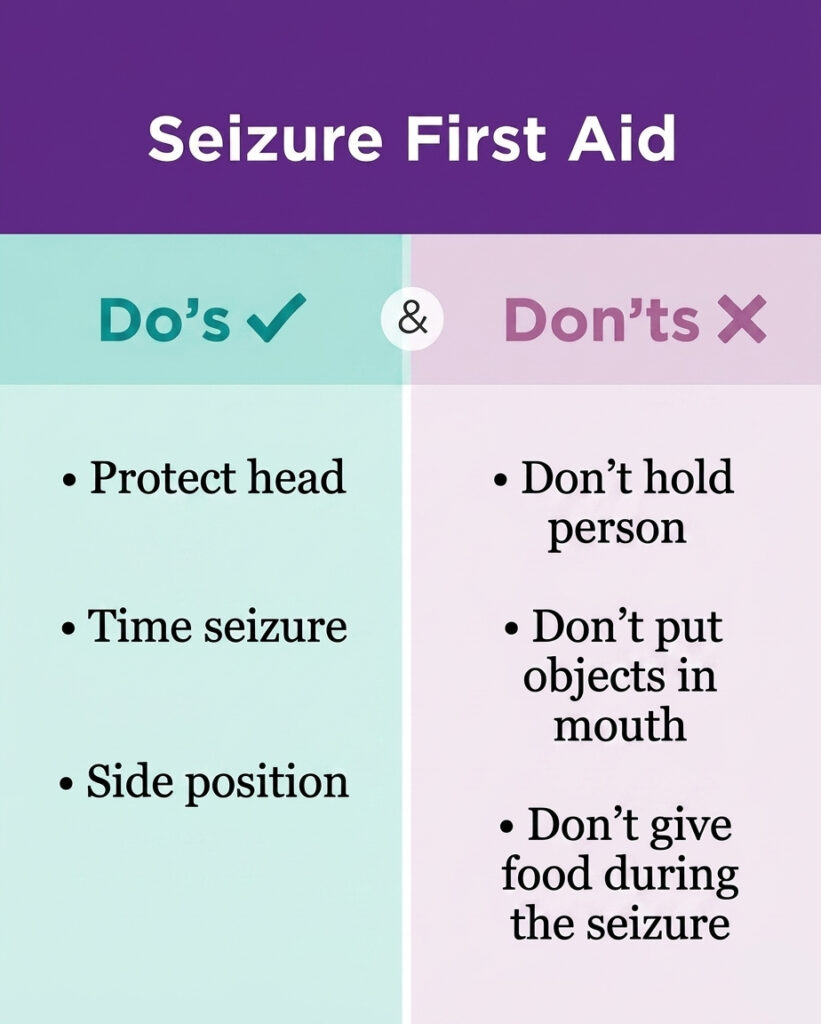
If you witness someone having a seizure, it is important to stay calm and act quickly:
- Keep the person safe from nearby objects
- Do not restrain their movements
- Place them on their side to help with breathing
- Do not put anything in their mouth
- Time the seizure duration
- Stay with them until they regain awareness
Even if the seizure stops, medical evaluation is often important, especially if it is the first episode, lasted more than a few minutes, or involved injury. In urgent or severe situations, seeking an ER for seizure care can help ensure proper assessment, stabilization, and prevention of complications. Emergency teams can quickly check vital signs, blood sugar levels, and neurological status to determine the underlying cause and next steps for treatment.
Can Seizures Kill You?
Most seizures are not life-threatening. However, in rare cases, seizures can lead to serious complications such as:
- Injuries from falls or accidents
- Breathing difficulties
- Status epilepticus (a seizure lasting more than 5 minutes)
- Sudden unexpected death in epilepsy (SUDEP) in chronic epilepsy cases
How to Treat Seizures?
Seizure treatment depends on the underlying cause:
Anti-Seizure Medications
These medications help control electrical activity in the brain and reduce seizure frequency.
Lifestyle Management
- Adequate sleep
- Stress management
- Avoiding known triggers
- Healthy diet and hydration
Medical Procedures
In severe cases, doctors may recommend brain imaging, EEG testing, or surgery if seizures are not controlled with medication.
When to Go to the ER?
Seizures can become medical emergencies in certain situations. You should go to the emergency room if:
- The seizure lasts longer than 5 minutes
- Another seizure begins immediately after the first
- The person has difficulty breathing after the seizure
- It is the person’s first seizure
- The seizure occurs after a head injury
- The person does not regain consciousness
Emergency Room Care for Seizures
Emergency rooms are equipped to stabilize and evaluate seizure patients quickly. Treatment may include:
- Airway support and oxygen
- IV medications to stop seizures
- Blood tests to check glucose and electrolytes
- Brain imaging (CT or MRI)
- Neurological evaluation
In many cases, patients are also monitored for a period of time to ensure their condition is stable before discharge or referral to a specialist. Facilities like Exceptional Emergency Centers provide rapid assessment and treatment to ensure patient safety during seizure emergencies, offering immediate access to diagnostic tools and emergency medications when time is critical.
Key Takeaways
- A seizure is caused by abnormal electrical activity in the brain
- Causes include epilepsy, head injuries, infections, and metabolic issues
- Seizures vary in appearance from mild staring spells to full-body convulsions
- Most seizures stop on their own but can still be dangerous
- Emergency care is needed for prolonged or repeated seizures
- Proper diagnosis and treatment can help control and prevent future episodes
Frequently Asked Questions
What causes seizures in adults for the first time?
First-time seizures in adults can happen for many different reasons, including head injuries, stroke, brain infections, or sudden changes in blood sugar and electrolyte levels. In some cases, alcohol or drug withdrawal may also trigger seizure activity.
What causes epileptic seizures?
Epileptic seizures are caused by sudden abnormal electrical activity in the brain. They occur in people with epilepsy, a neurological disorder that leads to recurring and unprovoked seizures.
Can stress cause seizures?
Yes, extreme stress and lack of sleep can trigger seizures in some people, especially those who already have epilepsy or other neurological conditions. Stress can affect the brain’s electrical activity and may increase the likelihood of abnormal signals that lead to a seizure.