
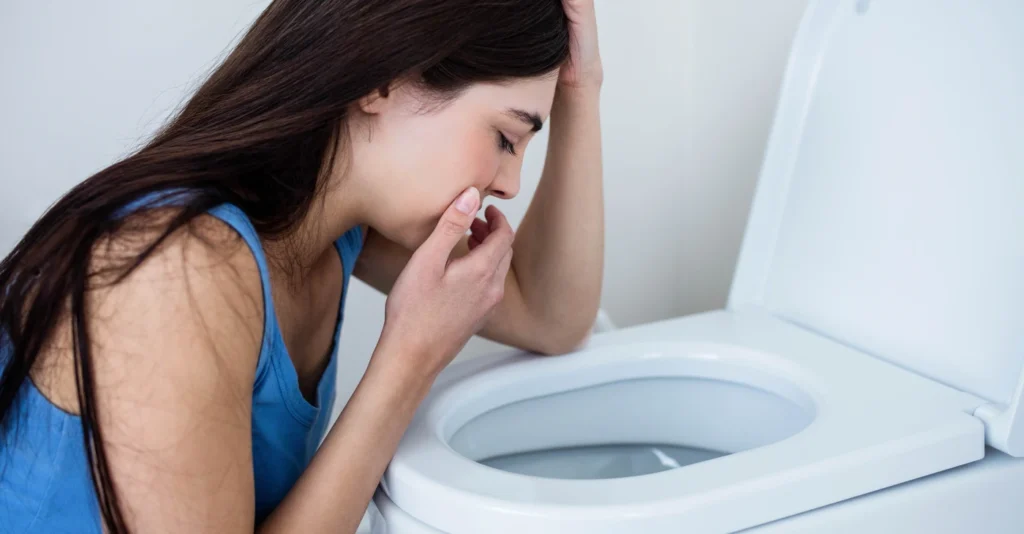
It can be alarming when urinary symptoms suddenly come with stomach discomfort, leaving many people asking Can a UTI Cause Nausea? This combination often feels confusing because a urinary tract infection is usually associated with burning urination or pelvic pain, not digestive symptoms. However, when the infection becomes more intense, the body’s response can extend beyond the urinary system and affect overall well-being.
When nausea appears alongside UTI symptoms, it may indicate that the infection is worsening or has reached the kidneys, a condition known as pyelonephritis. This is a more serious stage of infection that should not be ignored, especially if symptoms include fever, chills, or back pain. In such cases, immediate evaluation at an emergency room in Port Arthur is strongly recommended to prevent complications.
What Is a UTI
A urinary tract infection (UTI) is a bacterial infection that can affect any part of the urinary system, including the bladder, urethra, ureters, or kidneys. It commonly occurs when bacteria, most often E. coli, enter the urinary tract and multiply, causing inflammation and irritation. UTIs are more common in women due to anatomical differences, but they can affect anyone.
According to the NIH-supported StatPearls clinical review, approximately 8.4% of girls and 1.7% of boys under 7 years of age develop a UTI, highlighting how common these infections are, especially in females due to anatomical differences.
UTI Symptoms That Should Never Be Ignored
- Burning during urination (dysuria): A strong burning or stinging sensation while urinating often indicates early bladder infection and should not be ignored.
- Frequent or urgent urination: Needing to urinate repeatedly with little output is a classic sign of bladder irritation caused by bacterial growth.
- Cloudy, dark, or foul-smelling urine: Changes in urine appearance or odor may indicate infection and bacterial activity in the urinary tract.
- Pelvic or lower abdominal pain: Pressure or cramping in the lower abdomen often occurs when the bladder becomes inflamed.
- Blood in urine (hematuria): Even small amounts of blood may signal significant irritation or infection requiring medical evaluation.
- Fever, chills, or flank pain: These symptoms may indicate kidney involvement and require urgent medical care.
Can UTI Cause Nausea
Yes, a UTI can cause nausea, especially when the infection becomes more severe or spreads to the kidneys. This happens because the body releases inflammatory responses that affect not only the urinary tract but also the gastrointestinal and nervous systems. While mild bladder infections may not cause stomach symptoms, kidney infections are far more likely to trigger nausea and vomiting.
Why UTI Causes Nausea
- Kidney involvement: When the infection spreads to the kidneys (pyelonephritis), it triggers a stronger systemic reaction in the body. This can lead to nausea, vomiting, fever, and overall weakness.
- Immune system response: The body releases inflammatory chemicals to fight the infection. These chemicals can affect the stomach and brain centers that control nausea.
- Toxin buildup: Bacterial infection can lead to toxins entering the bloodstream, which may disrupt normal digestive function and cause gastrointestinal discomfort.
- Fever and dehydration: High fever and reduced fluid intake during illness can upset stomach balance, making nausea more likely and worsening overall symptoms.
If nausea becomes severe or is accompanied by fever or back pain, search for nausea urgent care near me and seek immediate medical evaluation to rule out kidney infection.
Also read: What Causes Nausea
Other Causes of UTI
Urinary tract infections usually develop when bacteria enter the urinary system and multiply, but several factors can increase the risk of this happening. These causes are often linked to hygiene habits, lifestyle factors, or underlying medical conditions that make it easier for bacteria to reach the bladder or kidneys.
- Poor hygiene practices: Improper wiping (especially back to front) can transfer bacteria from the anal area to the urethra, increasing infection risk. This is one of the most common preventable causes of UTIs.
- Sexual activity: Sexual intercourse can push bacteria into the urinary tract, especially in women. Not urinating after sex may allow bacteria to remain and multiply.
- Holding urine for long periods: Delaying urination gives bacteria more time to grow in the bladder. Regular emptying helps flush out harmful bacteria.
- Weakened immune system: Conditions like diabetes or illnesses that reduce immunity make it harder for the body to fight bacterial infections effectively.
- Urinary tract abnormalities or catheters: Structural issues or the use of urinary catheters can allow bacteria easier access to the bladder and increase the chance of infection.
When to Go to the ER
Knowing when a urinary tract infection requires emergency care is important because untreated infections can quickly become serious, especially if they spread to the kidneys. While mild UTIs can often be treated with antibiotics, certain symptoms indicate a more severe infection that needs immediate medical attention at an emergency room.
- High fever or chills: A fever above 101°F (38.3°C) with chills may suggest the infection has reached the kidneys. This can quickly worsen without urgent treatment.
- Severe back or side pain: Pain in the lower back or flank area often indicates kidney involvement. This symptom should never be ignored.
- Nausea or vomiting: Persistent nausea or vomiting can signal a more serious infection that is affecting the whole body and may lead to dehydration.
- Blood in urine: Visible blood in urine or very dark urine may indicate significant urinary tract inflammation or damage.
- Confusion or weakness (especially in older adults): Sudden confusion, extreme fatigue, or weakness can be signs of a severe systemic infection requiring emergency care.
- No improvement with antibiotics: If symptoms worsen or do not improve within 24–48 hours of treatment, urgent re-evaluation in an ER is necessary.
How to Get Rid of Nausea from UTI
Nausea caused by a urinary tract infection (UTI) usually improves once the underlying infection is treated, but supportive care can help manage symptoms in the meantime. If nausea is severe or persistent, it may indicate kidney involvement and should be evaluated promptly by a healthcare professional.
- Treat the UTI with antibiotics: Prescription antibiotics given by a doctor target the bacterial infection causing symptoms. Completing the full course is essential to fully clear the infection.
- Stay well hydrated: Drinking water helps flush bacteria from the urinary system and can also reduce nausea intensity. Small, frequent sips may be easier to tolerate.
- Eat light, bland foods: Foods like toast, rice, bananas, or crackers can help settle the stomach without worsening nausea.
- Use anti-nausea medication (prescribed by the doctor): In some cases, doctors may prescribe medications like ondansetron to help control nausea and prevent vomiting.
- Rest and avoid irritants: Adequate rest supports recovery, while avoiding caffeine, alcohol, and spicy foods can prevent further stomach irritation.
Can a UTI Cause Nausea? | Exceptional Emergency Centers
A urinary tract infection can sometimes lead to symptoms beyond the urinary system, leaving many patients concerned and asking Can a UTI Cause Nausea? At Exceptional Emergency Centers, our medical team understands how uncomfortable and worrying these symptoms can be.
If nausea appears along with fever, back pain, or worsening urinary symptoms, it may indicate that the infection is progressing and requires immediate care. Exceptional Emergency Centers provide fast, accurate diagnosis and prompt treatment to help relieve symptoms and prevent complications. Early medical attention ensures you recover safely and avoid more serious health risks.
Key Takeaways
- UTIs can cause nausea: Especially when the infection becomes severe or spreads to the kidneys.
- Nausea is a warning sign: It may indicate a more serious or upper urinary tract infection.
- Other common UTI symptoms include: Burning during urination, frequent urge to urinate, cloudy urine, and pelvic pain.
- Seek emergency care if symptoms worsen: Fever, back pain, vomiting, or blood in urine require immediate medical attention.
- Early treatment is important: Prompt antibiotics prescribed by a doctor help prevent complications and speed recovery.
FAQ
Can a UTI go away on its own?
Mild urinary tract infections may sometimes seem to improve temporarily, but they usually do not fully resolve without medical treatment. In most cases, antibiotics prescribed by a doctor are needed to completely eliminate the infection and prevent it from spreading.
How long does a UTI last?
With appropriate antibiotic treatment, symptoms often begin improving within 24 to 48 hours and typically resolve within 3 to 7 days. Without treatment, the infection can persist, worsen, and potentially spread to the kidneys.
Are UTIs contagious?
UTIs are not considered contagious and do not spread through casual contact like hugging or sharing items. However, bacteria that cause UTIs can sometimes be transferred during sexual activity, increasing the risk of infection.
What to take for nausea?
Mild nausea can often be managed with small sips of fluids, rest, and bland foods such as toast, rice, or crackers. If nausea is severe or persistent, a doctor may prescribe anti-nausea medications (antiemetics) to help control symptoms and prevent dehydration.