

A sore throat isn’t always just a minor annoyance; it can cause sharp pain when swallowing, difficulty speaking, fever, fatigue, and even swollen glands. In some cases, severe or persistent throat pain can signal a bacterial infection or another serious condition that requires prompt medical attention, and visiting an emergency room can provide timely evaluation and treatment.
Many people wonder how long a sore throat should last and when symptoms indicate a more urgent problem. While viral infections often improve within 3–7 days, bacterial infections or prolonged irritation may last longer and lead to complications if left untreated. Understanding the timeline, common causes, and warning signs of a sore throat can help you manage discomfort effectively and know when to seek professional care.
What Is a Sore Throat?
A sore throat refers to pain, irritation, or scratchiness in the throat that typically becomes worse when swallowing. It occurs when the tissues lining the throat become inflamed due to infection, dryness, or exposure to irritants.
The throat includes structures such as the pharynx, tonsils, and larynx. When viruses, bacteria, or allergens affect these tissues, inflammation develops as part of the body’s immune response. This reaction leads to symptoms like redness, swelling, and discomfort. While most sore throats improve without medical intervention, persistent or severe symptoms may require evaluation and appropriate sore throat medicine, and visiting the closest emergency room near me can ensure timely care when needed.
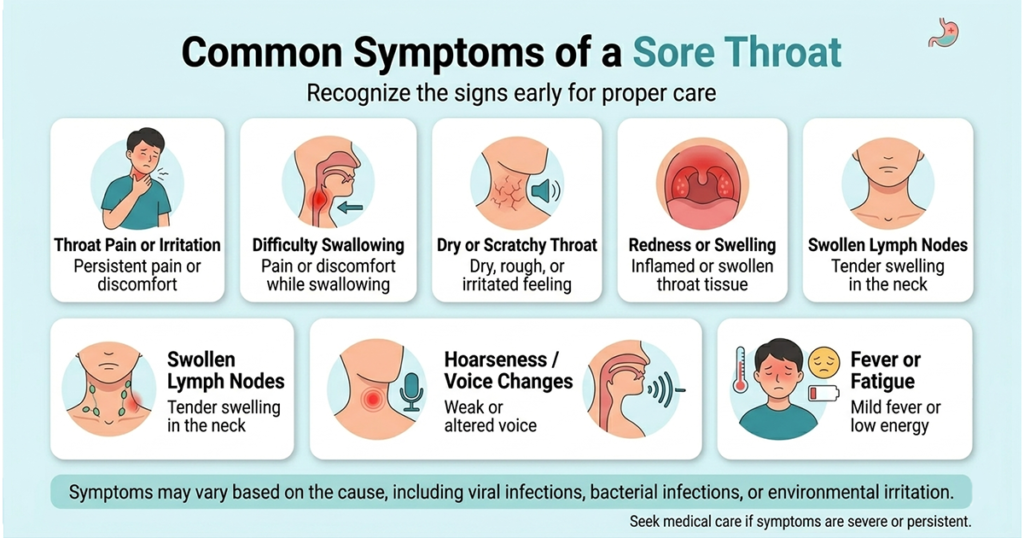
Common Symptoms of a Sore Throat
A sore throat often appears with additional symptoms that help identify the underlying cause.
Typical symptoms include:
- Pain or irritation in the throat
- Difficulty swallowing
- Dry or scratchy sensation in the throat
- Redness or swelling in the throat
- Swollen lymph nodes in the neck
- Hoarseness or voice changes
- Mild fever or fatigue in infection-related cases
The severity of these symptoms can vary depending on whether the sore throat is caused by a viral infection, bacterial infection, or environmental irritation, and seeking care at Exceptional Emergency Centers can provide prompt evaluation and treatment when needed.
What Causes a Sore Throat?
The duration of the sore throat often depends on the specific condition responsible for the inflammation. Several medical and environmental factors can lead to throat irritation.
Viral Infections
Viruses are the most common cause of a sore throat. Illnesses such as the common cold, influenza, and other respiratory infections can inflame throat tissues. Viral infections usually improve without antibiotics and respond well to supportive sore throat remedies.
Bacterial Infections
Certain bacterial infections, especially strep throat, can cause severe throat pain and swelling. These infections often require prescription sore throat medicine, such as antibiotics, to eliminate the bacteria and shorten recovery time.
Allergies
Allergic reactions to pollen, dust, or pet dander can cause postnasal drip, which irritates throat tissues and leads to persistent soreness.
Dry Air and Irritants
Dry indoor air, smoking, pollution, and chemical exposure can irritate the throat lining. This type of irritation usually improves once the environmental trigger is removed.
Acid Reflux
Gastroesophageal reflux disease (GERD) can cause stomach acid to travel into the throat, irritating the tissues and leading to chronic throat discomfort.
In children with severe or persistent symptoms, visiting an emergency room for pediatrics can ensure prompt evaluation and treatment.
How Long Does a Sore Throat Last?
One of the most frequently asked questions is how long does a sore throat last. In most cases, symptoms improve within 3 to 7 days, especially when caused by viral infections. However, the sore throat duration can vary depending on the illness or irritation responsible for the inflammation. While mild throat irritation may resolve within a few days, certain infections may cause symptoms to persist longer. For cases that worsen or do not improve, seeking care at an ER for sore throat can provide timely evaluation and treatment.
- Day 1 Early Symptoms: A scratchy or dry throat may develop along with mild discomfort when swallowing.
- Day 2 Peak Symptoms: Inflammation and pain may increase, and swallowing may become more uncomfortable.
- Day 3 Stabilization: Symptoms usually stop worsening and may begin gradually improving.
- Day 4–5 Recovery Begins: Inflammation decreases, and throat pain becomes less noticeable.
- Day 6–7 Resolution: For most viral infections, symptoms resolve, and normal throat function returns.
Sore Throat Duration Based on the Cause
Different illnesses affect how long symptoms last.
- Common Cold: A cold-related sore throat usually lasts 3–5 days and improves as nasal symptoms fade.
- Influenza (Flu): Throat pain may last 5–7 days and often occurs with fever, fatigue, and body aches.
- Strep Throat: Without treatment, symptoms may last 7–10 days, but proper sore throat medicine, such as antibiotics, can reduce symptoms within 24–48 hours.
- Allergy-Related Irritation: Symptoms may persist as long as exposure to allergens continues.
- Acid Reflux: GERD-related throat irritation can be chronic and requires management of the underlying reflux.
Sore Throat Remedies
Many mild sore throats improve naturally, but several sore throat remedies can help reduce irritation and support healing. Effective remedies include:
- Warm saltwater gargles to reduce swelling
- Drinking warm fluids such as herbal tea or broth
- Using throat lozenges to keep the throat moist
- Using a humidifier to add moisture to dry air
- Resting the voice to prevent further irritation
These approaches can help people searching for how to get rid of a sore throat reduce discomfort while the body fights the underlying cause.
Sore Throat Medicine
In some cases, medication may help relieve symptoms or treat infections causing throat inflammation. Common sore throat medicine options include:
- Pain relievers such as acetaminophen or ibuprofen
- Medicated throat lozenges or sprays
- Antihistamines for allergy-related throat irritation
- Antibiotics for confirmed bacterial infections
Using the appropriate sore throat medicine can significantly reduce pain and shorten recovery time when infections are present.
How To Get Rid of a Sore Throat Faster
People often search for ways how to get rid of a sore throat quickly, especially when throat pain interferes with daily activities. Helpful strategies include:
- Drinking warm liquids frequently
- Staying hydrated throughout the day
- Getting adequate rest to support immune function
- Avoiding smoking or environmental irritants
- Using soothing foods like honey or warm soups
While these steps may not eliminate symptoms immediately, they can help reduce discomfort and shorten overall sore throat duration.
When a Sore Throat Becomes an Emergency
While most sore throats improve with home care, certain symptoms indicate a potentially serious condition that requires immediate medical attention:
- Severe difficulty breathing or swallowing, risk of airway obstruction
- High fever (101°F or higher) that persists
- Suddenly, severe throat pain not relieved by painkillers
- Swelling of the neck, face, or throat
- White or yellow patches on tonsils with severe pain, possible strep infection
- Neurological symptoms like confusion, dizziness, or fainting
- Persistent vomiting or dehydration
Recognizing these urgency triggers ensures timely intervention, preventing complications like airway blockage, sepsis, or severe bacterial infections.
Expert Care for Sore Throat at Exceptional Emergency Center
At Exceptional Emergency Center, patients with urgent sore throat symptoms receive rapid, specialized care:
- 24/7 Emergency Evaluation: immediate assessment of severe pain, swelling, fever, or breathing issues
- Advanced Diagnostics: throat cultures, blood tests, and imaging to pinpoint the cause quickly
- Rapid Treatment: antibiotics, IV fluids, airway support, or pain management as needed
- Specialist Follow-Up: coordination with ENT or infectious disease specialists for ongoing care
- Patient Education: guidance on home care, symptom monitoring, and prevention of recurrence
Prompt evaluation and treatment at a dedicated emergency center can prevent complications and speed recovery, giving patients confidence and safety when severe sore throat symptoms occur.
Key Takeaways
- A sore throat is commonly caused by viral infections, allergies, or throat irritation.
- The typical sore throat duration ranges from 3–7 days for most viral infections.
- Bacterial infections such as strep throat may last longer without proper sore throat medicine.
- Simple sore throat remedies like hydration, saltwater gargles, and rest can help relieve symptoms.
- People searching for how to get rid of a sore throat can benefit from home remedies and proper care while the body recovers.
- If symptoms persist beyond 10 days or become severe, medical evaluation may be necessary.
Frequently Asked Questions
How long does a sore throat last with a cold?
A sore throat from a cold usually lasts 3–5 days. It often improves as other cold symptoms, like congestion and sneezing, start to resolve. Most cases resolve on their own without medical treatment, though staying hydrated and resting can help speed recovery slightly.
Is a sore throat contagious?
Yes, a sore throat can be contagious if caused by viral or bacterial infections, such as the common cold, flu, or strep throat. It can spread through droplets when coughing, sneezing, or close contact. Practicing good hygiene helps prevent transmission.
How do you soothe a sore throat?
Warm fluids, saltwater gargles, throat lozenges, and proper hydration can ease irritation. Resting your voice and using a humidifier also help reduce discomfort. Combining these measures can speed recovery and provide lasting relief.