
You suddenly feel the urge to urinate but nothing comes out, or only a few drops pass despite a very full, uncomfortable bladder. This can be alarming and distressing, especially when the sensation keeps building but your body is unable to respond normally. This condition is known as urinary retention, a medical issue where the bladder cannot empty completely or at all.
Urinary retention is not something to ignore, as it can quickly move from discomfort to a medical emergency. When urine stays trapped in the bladder, it can lead to severe pain, infection, and pressure that may affect the kidneys. In some cases, immediate treatment is needed to relieve the blockage and prevent serious complications, and visiting a trusted Beaumont ER ensures you receive fast evaluation and care before the situation worsens.
What Causes Urinary Retention
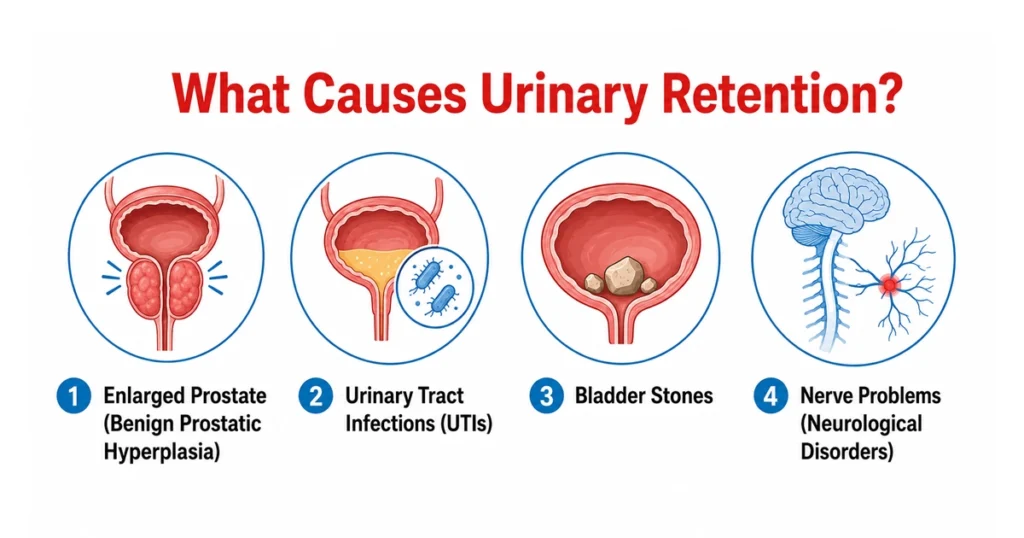
Urinary retention develops when something interferes with the normal flow of urine from the bladder through the urethra. This can happen suddenly or build up gradually, depending on the underlying cause. Many people first notice discomfort, weak urine flow, or difficulty starting urination, and knowing when to seek UTI urgent care or ER evaluation can prevent the condition from progressing into a more serious medical emergency.
Enlarged Prostate (Benign Prostatic Hyperplasia)
An enlarged prostate is a leading cause of urinary retention, especially in older men. As the prostate grows, it compresses the urethra and restricts urine flow. This obstruction makes it difficult for the bladder to empty fully. Over time, the bladder muscles may weaken due to constant strain.
Symptoms
- Weak urine stream.
- Difficulty starting urination.
- Frequent nighttime urination.
- Feeling of incomplete bladder emptying.
Urinary Tract Infections (UTIs)
UTIs cause inflammation and swelling in the urinary tract, which can block or disrupt urine flow. The irritation may affect bladder function and urethral passage. In more severe cases, the infection can lead to acute urinary retention. Prompt treatment is essential to prevent worsening symptoms.
Symptoms
- Burning sensation during urination.
- Frequent urge to urinate.
- Cloudy or foul-smelling urine.
- Lower abdominal discomfort.
Bladder Stones
Bladder stones form when minerals in urine crystallize and harden. These stones can obstruct the bladder outlet or irritate the bladder lining. As a result, urine flow becomes inconsistent or blocked. This condition may worsen over time if not treated.
Symptoms
- Sudden interruption of urine flow.
- Pain during urination.
- Lower abdominal pain.
- Blood in urine.
Nerve Problems (Neurological Disorders)
Conditions affecting the nervous system can disrupt communication between the brain and bladder. This prevents proper bladder contraction and control. Diseases like spinal cord injuries or multiple sclerosis are common contributors. The result is difficulty in emptying the bladder fully.
Symptoms
- Loss of bladder control.
- Weak or absent urge to urinate.
- Overflow incontinence.
- Difficulty starting urination.
Medications Side Effects
Some medications can interfere with bladder muscle function or nerve signaling. Drugs used for allergies, depression, or pain relief are common contributors. These effects can reduce bladder contraction strength. This may gradually lead to urinary retention.
Symptoms
- Difficulty initiating urination.
- Slow urine flow.
- Full bladder sensation without relief.
- Increased urinary hesitancy.
Medications That Can Cause Urinary Retention
- Antihistamines (Diphenhydramine, Chlorpheniramine): Can relax bladder muscles and reduce the urge to urinate, leading to retention or weak flow.
- Antidepressants (Amitriptyline, Imipramine): May slow nerve signals to the bladder, making it harder to start or complete urination.
- Decongestants (Pseudoephedrine): Can tighten urinary tract muscles, restricting urine flow and causing difficulty passing urine.
- Antipsychotics (Chlorpromazine, Clozapine): May disrupt bladder control signals, leading to poor bladder contraction and retention.
- Muscle Relaxants (Cyclobenzaprine, Baclofen): Can reduce bladder muscle strength, making it difficult to empty the bladder fully.
- Opioid Painkillers (Morphine, Oxycodone): Can suppress the urge to urinate by affecting nerve pathways controlling bladder reflexes.
- Anticholinergics (Oxybutynin, Atropine): Can overly relax bladder muscles and block normal urine release, increasing retention risk.
Urethral Stricture
A urethral stricture occurs when scar tissue narrows the urethra. This narrowing restricts urine flow and increases bladder pressure. It can develop due to injury, infection, or previous medical procedures. Without treatment, it may progressively worsen.
Symptoms
- Weak urine stream.
- Straining to urinate.
- Spraying or split urine flow.
- Incomplete bladder emptying.
Constipation
Severe constipation can physically compress the bladder and urethra. This pressure makes it difficult for urine to pass normally. It is often overlooked but can significantly contribute to urinary retention. Treating constipation may improve urinary symptoms.
Symptoms
- Abdominal bloating and pressure.
- Difficulty passing stool.
- Reduced urine output.
- Discomfort in lower abdomen.
Post-Surgical Complications
After surgery, especially pelvic or spinal procedures, temporary urinary retention can occur. Anesthesia and pain medications may reduce bladder activity. This slows normal bladder contractions. In most cases, the condition improves with recovery.
Symptoms
- Inability to urinate after surgery.
- Bladder fullness sensation.
- Lower abdominal discomfort.
- Delayed urine flow recovery.
Severe Stress Or Trauma
Stress or trauma can temporarily affect nervous system control of the bladder. This may interrupt normal signaling required for urination. Emotional or physical shock can trigger short-term retention. Medical evaluation is needed if symptoms persist.
Symptoms
- Sudden inability to urinate.
- Increased urinary tension or urgency.
- Lower abdominal pressure.
- Anxiety-related urinary difficulty.
Urinary Retention Symptoms You Should Never Ignore
Urinary retention symptoms should never be taken lightly, especially when the bladder feels full but urine cannot pass normally. What may start as mild difficulty can quickly progress into severe pain, infection, or even kidney strain if left untreated. Recognizing these warning signs early is critical because acute urinary retention can become a medical emergency requiring immediate care at the closest emergency room near me before complications have a chance to develop.
- Inability to urinate despite strong urges.
- Severe lower abdominal pain or pressure.
- Very weak or interrupted urine flow.
- Feeling of incomplete bladder emptying.
- Swelling or tightness in the lower abdomen.
- Sudden stop of urine stream during urination.
- Uncontrolled urine leakage (overflow incontinence).
- Blood in urine or signs of infection.
When To Go To The ER
Urinary retention can become a medical emergency when the bladder is unable to empty at all or when symptoms worsen quickly. Waiting too long can increase the risk of severe pain, bladder damage, and kidney complications. If any of the following apply, visit a 24/7 emergency room immediately without waiting to see if symptoms improve on their own.
- Complete inability to urinate despite strong urges.
- Severe lower abdominal pain or pressure.
- Rapidly increasing swelling in the lower abdomen.
- Fever, chills, or signs of infection.
- Blood in urine with pain or difficulty passing urine.
- Nausea or vomiting with urinary blockage.
- Confusion, weakness, or feeling very unwell.
How To Treat Urinary Retention
Urinary retention should always be evaluated by a healthcare professional because it can quickly progress from discomfort to a serious medical issue. Treatment depends on the cause, severity, and whether the condition is acute or chronic. Many patients need immediate relief of the bladder followed by targeted therapy.
- Catheterization (Immediate Bladder Relief): A thin tube drains urine from the bladder right away. It relieves pressure and is commonly used in emergency cases.
- Alpha Blockers (Tamsulosin, Alfuzosin) — Most Doctors Recommend: These relax bladder neck and prostate muscles to improve urine flow. They are often used in prostate-related retention.
- Antibiotics (If Infection Is Present) — Most Doctors Recommend: Used when infection is the cause. They help reduce inflammation and clear bacteria blocking urine flow.
- Bladder Training Techniques: Scheduled urination helps retrain bladder function. It is useful in mild or non-obstructive cases.
- Surgical Procedures: Surgery may be needed for blockages like enlarged prostate or strictures. It removes the physical cause of retention.
- Over-the-Counter Pain Relief (Ibuprofen) — Most Doctors Recommend: Helps reduce pain and inflammation. It does not treat the cause but improves comfort temporarily.
- Lifestyle and Fluid Changes: Avoiding caffeine and managing fluid intake can reduce symptoms. It supports overall bladder health.
Urinary Retention Care At Exceptional Emergency Centers
If you are experiencing urinary retention, especially with a painful or full bladder that cannot be emptied, seeking immediate medical care is essential. This condition can worsen quickly and may lead to severe discomfort, infection, or kidney complications if not treated on time.
At Exceptional Emergency Centers, our medical team is equipped to handle urinary retention with fast diagnostic testing and timely treatment options. Whether the cause is infection, blockage, or another underlying condition, prompt care helps prevent complications and supports safe recovery. If symptoms persist or worsen, immediate emergency attention ensures proper bladder relief and protects long-term urinary health.
Key Takeaways
- Urinary retention is the inability to fully or partially empty the bladder.
- It can develop suddenly or gradually depending on the cause.
- Common causes include prostate enlargement, infections, medications, and nerve problems.
- Symptoms include weak urine flow, pain, and inability to urinate.
- Certain medications like antihistamines and opioids can trigger retention.
- Severe cases require immediate ER visits to prevent complications.
- Treatments may include catheterization, medications, or surgery.
- Early medical care improves outcomes and reduces risk of kidney damage.