
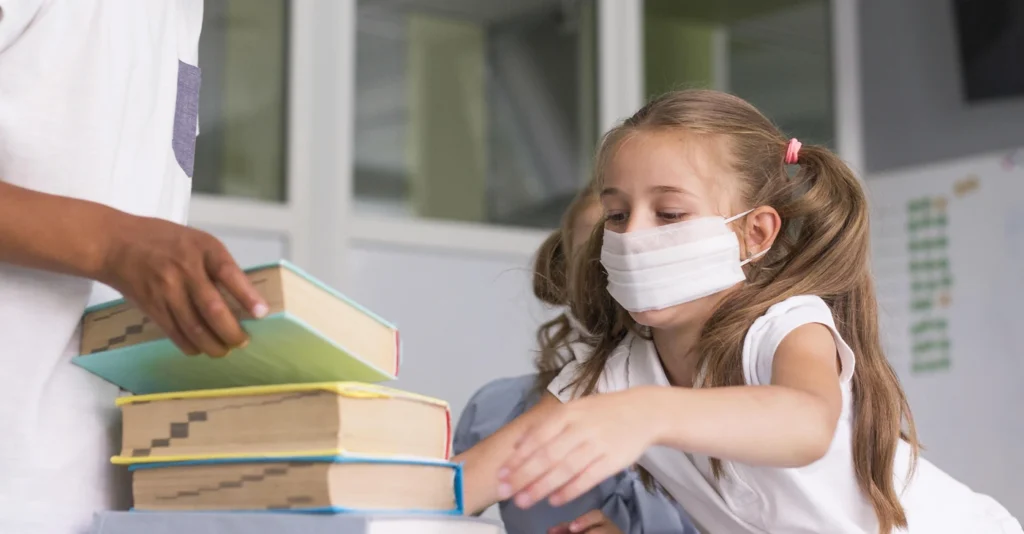
Every new school year brings a familiar mix of new routines, packed schedules, and the occasional health scare that leaves parents wondering whether to wait it out or head straight to the emergency room. Between gym class mishaps, playground tumbles, and a classroom full of shared germs, most of what comes home from school resolves with basic care and a little patience. But a handful of situations move past what home remedies or even a same-day pediatrician appointment can safely manage.
This guide breaks down the most common back-to-school health concerns, from fevers to sports injuries to sudden illness, and helps you recognize exactly when it is time to bring your child to Exceptional Emergency Center rather than waiting for a scheduled visit.
Fevers: Knowing When It Has Crossed Into Emergency Territory
A fever is usually just the body doing its job, fighting off a virus that is making its way around the classroom. According to CDC guidance on illness and school attendance, a child should stay fever-free without medication for at least 24 hours before returning to school, but certain fever situations call for more than rest at home.
- A temperature reaching 104 degrees Fahrenheit or higher that does not respond to fever-reducing medication
- Any fever at all in an infant younger than three months old
- A fever that has lasted longer than three days or one that keeps returning after appearing to break
- Fever combined with a stiff neck, intense headache, breathing trouble, or a rash that stays visible when pressed
- A child who becomes unusually difficult to wake or seems confused
Our detailed breakdown on what qualifies as a high fever in adults is also useful if a parent or older sibling in the household starts running a temperature during flu season.
Sports and Playground Injuries: Sprain, Break, or Something in Between?
Fall sports and recess mishaps are a leading cause of back-to-school ER visits, and distinguishing a sprain from a fracture is often harder than it sounds.
- Rapid swelling paired with a complete inability to put any weight on the injured area
- Visible deformity, where the limb appears bent, twisted, or misaligned compared to its normal shape
- Pain concentrated at one exact point on a bone rather than spread evenly across a joint
- Numbness, tingling, or a cold feeling in the area below the injury
- Any injury where bone has broken through the skin, which always requires immediate emergency care
Our guides on broken bones and fractures and soft tissue injuries walk through how to tell the difference and what recovery typically looks like for each.
Cuts and Lacerations: Does It Need Stitches?
Minor scrapes are part of childhood, but some wounds need more than a bandage and some antiseptic wipes from the school nurse’s office.
- The cut is deep enough that fat, muscle, or bone is visible beneath the skin
- Bleeding has not slowed after applying firm, direct pressure for five to ten minutes
- The edges of the wound are jagged, gaping, or will not stay closed on their own
- The injury is located near the eye, on the face, or over a joint that will pull the wound open with movement
- A previously treated wound is showing signs of infection, including spreading redness, warmth, or drainage
Head Injuries and Falls: What Should Raise a Red Flag?
Falls during PE class or on the playground are common, and most cause nothing more than a bump and some tears. Head injuries deserve closer attention because symptoms do not always show up right away.
- Any loss of consciousness following the fall, even for a few seconds
- Repeated vomiting, a worsening headache, or growing confusion in the hours afterward
- Uneven pupil size, slurred speech, or sudden trouble with balance and coordination
- Seizure activity occurring after the impact, which is always an emergency
- Increasing drowsiness or difficulty rousing the child as time passes
Common Illnesses: Flu, Ear Infections, and When They Need More Than Home Care
Shared classrooms and close contact make the first few months of school prime season for colds, flu, and ear infections.
- Difficulty breathing, rapid breathing, or visible effort with each breath
- Ear pain severe enough to cause constant crying, or fluid visibly draining from the ear
- Ongoing vomiting or diarrhea leading to signs of dehydration, including reduced urination and unusual fatigue
- Eye redness, swelling, or discharge that is getting worse rather than better after a day or two
- Symptoms that improve briefly and then suddenly return worse than before
Our posts on whether ear infections go away on their own, ear infections and high fever, and how contagious tonsillitis is cover more on recognizing when a common illness needs medical attention.
What Happens During Your Visit to Exceptional Emergency Center
Bringing a child into the ER is stressful enough without wondering what the visit will actually involve. Here is what to expect when you walk through our doors.
- On-site X-ray and CT imaging to quickly evaluate fractures, head injuries, and other internal concerns
- Full lab testing available on-site to identify infections, dehydration, or other underlying causes
- Board-certified physicians available around the clock without needing an appointment
- Wound care and stitching handled directly on-site for cuts requiring closure
- Clear, step-by-step communication so you understand your child’s diagnosis and treatment plan throughout the visit
Back-to-School Care at Exceptional Emergency Center
Whether it is a fever that will not come down, a sports injury that needs imaging, a cut that will not stop bleeding, or a fall that has you concerned, Exceptional Emergency Center is here around the clock with board-certified physicians ready to help immediately. We offer complete on-site diagnostics, from imaging to lab work, so your family gets fast answers and the right treatment without delay. Do not wait to have your child checked. Visit Exceptional Emergency Center today for the prompt, expert care your family needs this school year.
Key Takeaways
Exceptional Emergency Center offers on-site imaging, lab testing, and board-certified physicians around the clock with no appointment neededEvery new school year brings a familiar mix of new routines, packed schedules, and the occasional health scare that leaves parents wondering whether to wait it out or head straight to the emergency room. Between gym class mishaps, playground tumbles, and a classroom full of shared germs, most of what comes home from school resolves with basic care and a little patience. But a handful of situations move past what home remedies or even a same-day pediatrician appointment can safely manage.
Most fevers can be managed at home, but a temperature of 104°F or higher, any fever in an infant under three months, or one lasting more than three days needs emergency evaluation
Rapid swelling, visible deformity, or pain concentrated at one point on a bone are signs of a possible fracture that require imaging rather than home care
Cuts that are deep, will not stop bleeding after five to ten minutes of pressure, or have gaping edges typically need stitches
Any loss of consciousness, repeated vomiting, or worsening confusion after a fall or head injury should be treated as an emergency
Breathing difficulty, worsening ear pain, or dehydration alongside a common illness like flu or an ear infection are signs it has moved beyond home care
This guide breaks down the most common back-to-school health concerns, from fevers to sports injuries to sudden illness, and helps you recognize exactly when it is time to bring your child to Exceptional Emergency Center rather than waiting for a scheduled visit.
Fevers: Knowing When It Has Crossed Into Emergency Territory
A fever is usually just the body doing its job, fighting off a virus that is making its way around the classroom. According to CDC guidance on illness and school attendance, a child should stay fever-free without medication for at least 24 hours before returning to school, but certain fever situations call for more than rest at home.
- A temperature reaching 104 degrees Fahrenheit or higher that does not respond to fever-reducing medication
- Any fever at all in an infant younger than three months old
- A fever that has lasted longer than three days or one that keeps returning after appearing to break
- Fever combined with a stiff neck, intense headache, breathing trouble, or a rash that stays visible when pressed
- A child who becomes unusually difficult to wake or seems confused
Our detailed breakdown on what qualifies as a high fever in adults is also useful if a parent or older sibling in the household starts running a temperature during flu season.
Sports and Playground Injuries: Sprain, Break, or Something in Between?
Fall sports and recess mishaps are a leading cause of back-to-school ER visits, and distinguishing a sprain from a fracture is often harder than it sounds.
- Rapid swelling paired with a complete inability to put any weight on the injured area
- Visible deformity, where the limb appears bent, twisted, or misaligned compared to its normal shape
- Pain concentrated at one exact point on a bone rather than spread evenly across a joint
- Numbness, tingling, or a cold feeling in the area below the injury
- Any injury where bone has broken through the skin, which always requires immediate emergency care
Our guides on broken bones and fractures and soft tissue injuries walk through how to tell the difference and what recovery typically looks like for each.
Cuts and Lacerations: Does It Need Stitches?
Minor scrapes are part of childhood, but some wounds need more than a bandage and some antiseptic wipes from the school nurse’s office.
- The cut is deep enough that fat, muscle, or bone is visible beneath the skin
- Bleeding has not slowed after applying firm, direct pressure for five to ten minutes
- The edges of the wound are jagged, gaping, or will not stay closed on their own
- The injury is located near the eye, on the face, or over a joint that will pull the wound open with movement
- A previously treated wound is showing signs of infection, including spreading redness, warmth, or drainage
Head Injuries and Falls: What Should Raise a Red Flag?
Falls during PE class or on the playground are common, and most cause nothing more than a bump and some tears. Head injuries deserve closer attention because symptoms do not always show up right away.
- Any loss of consciousness following the fall, even for a few seconds
- Repeated vomiting, a worsening headache, or growing confusion in the hours afterward
- Uneven pupil size, slurred speech, or sudden trouble with balance and coordination
- Seizure activity occurring after the impact, which is always an emergency
- Increasing drowsiness or difficulty rousing the child as time passes
Common Illnesses: Flu, Ear Infections, and When They Need More Than Home Care
Shared classrooms and close contact make the first few months of school prime season for colds, flu, and ear infections.
- Difficulty breathing, rapid breathing, or visible effort with each breath
- Ear pain severe enough to cause constant crying, or fluid visibly draining from the ear
- Ongoing vomiting or diarrhea leading to signs of dehydration, including reduced urination and unusual fatigue
- Eye redness, swelling, or discharge that is getting worse rather than better after a day or two
- Symptoms that improve briefly and then suddenly return worse than before
Our posts on whether ear infections go away on their own, ear infections and high fever, and how contagious tonsillitis is cover more on recognizing when a common illness needs medical attention.
What Happens During Your Visit to Exceptional Emergency Center
Bringing a child into the ER is stressful enough without wondering what the visit will actually involve. Here is what to expect when you walk through our doors.
- On-site X-ray and CT imaging to quickly evaluate fractures, head injuries, and other internal concerns
- Full lab testing available on-site to identify infections, dehydration, or other underlying causes
- Board-certified physicians available around the clock without needing an appointment
- Wound care and stitching handled directly on-site for cuts requiring closure
- Clear, step-by-step communication so you understand your child’s diagnosis and treatment plan throughout the visit
Back-to-School Care at Exceptional Emergency Center
Whether it is a fever that will not come down, a sports injury that needs imaging, a cut that will not stop bleeding, or a fall that has you concerned, Exceptional Emergency Center is here around the clock with board-certified physicians ready to help immediately. We offer complete on-site diagnostics, from imaging to lab work, so your family gets fast answers and the right treatment without delay. Do not wait to have your child checked. Visit Exceptional Emergency Center today for the prompt, expert care your family needs this school year.
Key Takeaways
- Most fevers can be managed at home, but a temperature of 104°F or higher, any fever in an infant under three months, or one lasting more than three days needs emergency evaluation
- Rapid swelling, visible deformity, or pain concentrated at one point on a bone are signs of a possible fracture that require imaging rather than home care
- Cuts that are deep, will not stop bleeding after five to ten minutes of pressure, or have gaping edges typically need stitches
- Any loss of consciousness, repeated vomiting, or worsening confusion after a fall or head injury should be treated as an emergency
- Breathing difficulty, worsening ear pain, or dehydration alongside a common illness like flu or an ear infection are signs it has moved beyond home care
- Exceptional Emergency Center offers on-site imaging, lab testing, and board-certified physicians around the clock with no appointment needed