
It can be worrying when discomfort starts affecting your daily routine and you’re unsure what is happening in your body. Many people begin searching for answers while feeling tired, uneasy, or in pain. This often leads them to ask, What Causes Kidney Infections, especially when symptoms seem to come out of nowhere.
When symptoms become more intense, it is important not to ignore them or wait too long. High fever, back or side pain, and burning urination can signal a serious infection that needs immediate care. In such situations, visiting our emergency room Fort Worth can help prevent complications and ensure timely treatment.
What Is A Kidney Infection
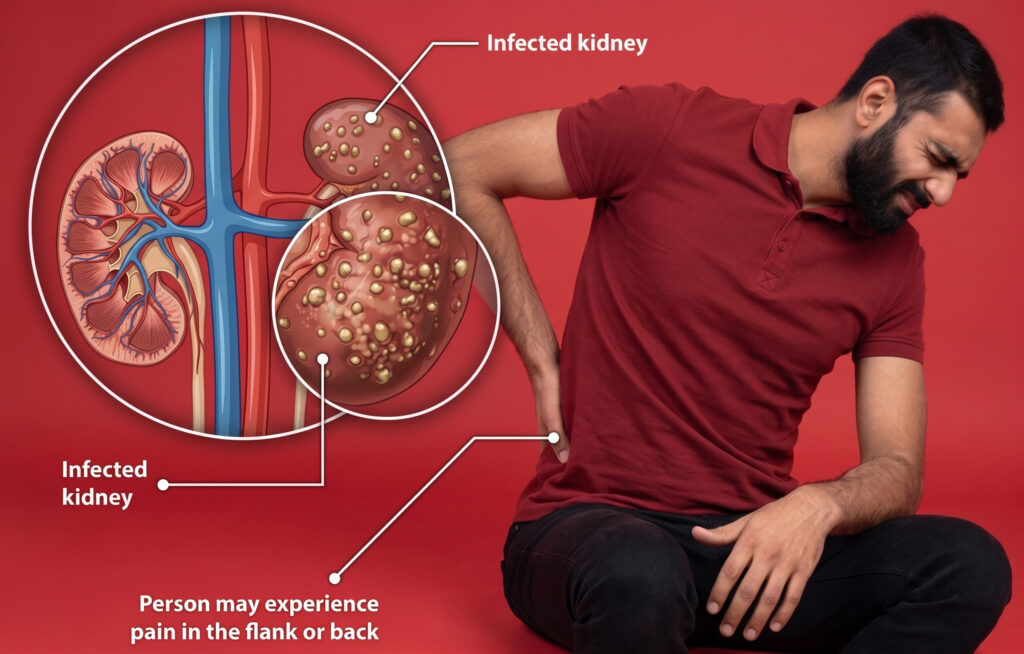
A kidney infection, also known as pyelonephritis, is a serious type of urinary tract infection that affects one or both kidneys. It usually begins in the lower urinary tract, such as the bladder, and then spreads upward to the kidneys if bacteria are not cleared. This condition can lead to symptoms like fever, flank pain, nausea, and painful urination, and may become severe without prompt treatment.
According to the National Center for Biotechnology Information (NCBI), urinary tract infections are extremely common, affecting about 40% of women during their lifetime, and a significant portion of these cases can progress to upper urinary tract infections like kidney infections if left untreated.
Signs Of Kidney Infections That Should Never Be Ignored
- High fever and chills.
- Pain in the back, side, or lower abdomen.
- Burning or pain during urination.
- Frequent urge to urinate, even in small amounts.
- Cloudy, foul-smelling, or bloody urine.
- Nausea or vomiting.
These symptoms may indicate a urological emergency and require prompt medical attention.
Causes Of Kidney Infection
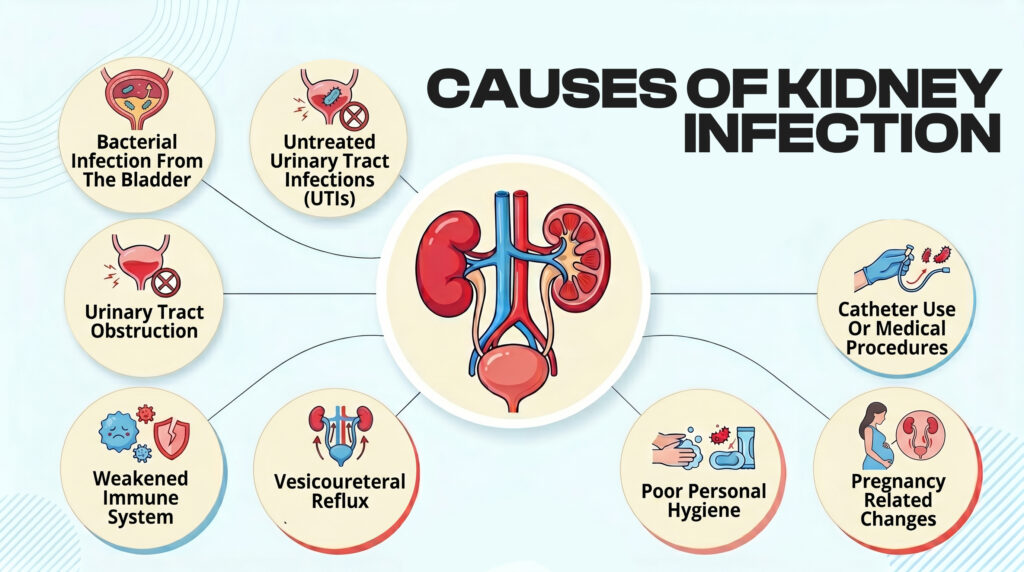
It can be worrying when symptoms appear suddenly and start affecting your daily comfort and routine. Many people feel uncertain at first because the signs may seem mild or unrelated. Timely attention is important to avoid the condition becoming more serious.
Bacterial Infection Of The Bladder
A bladder infection is one of the most common starting points of a kidney infection. When bacteria are not fully treated, they can travel upward through the urinary tract. This allows the infection to reach the kidneys and become more serious. Early treatment of bladder infections is essential to prevent this progression.
Symptoms
- High fever and chills.
- Pain in the back or side.
- Burning sensation during urination.
- Frequent urge to urinate.
Untreated Urinary Tract Infections (UTIs)
When UTIs are ignored or treatment is incomplete, bacteria continue to multiply in the urinary tract. Over time, this can allow the infection to spread to the kidneys. Delayed care significantly increases the risk of complications. Prompt antibiotic treatment is important for full recovery.
Symptoms
- Cloudy or foul-smelling urine.
- Pain during urination.
- Lower abdominal discomfort.
- Frequent urination.
Urinary Tract Obstruction
Blockages such as kidney stones or prostate enlargement can disrupt normal urine flow. This causes urine to collect in the urinary system, creating an ideal environment for bacteria. The buildup increases the risk of infection. Treating the blockage helps restore normal urinary function.
Symptoms
- Severe flank or back pain.
- Difficulty passing urine.
- Blood in urine.
- Nausea or vomiting.
Weakened Immune System
A weakened immune system makes it harder for the body to fight infections. Conditions like diabetes, cancer treatments, or chronic illness can increase vulnerability. Even minor infections may progress quickly in such individuals. Medical monitoring and prevention are important.
Symptoms
- Persistent fatigue.
- Recurrent infections.
- Fever that worsens quickly.
- General weakness.
Vesicoureteral Reflux
This condition causes urine to flow backward from the bladder toward the kidneys. It allows bacteria to reach the kidneys more easily than normal. It is more commonly seen in children but can also affect adults. Early diagnosis helps prevent long-term kidney damage.
Symptoms
- Fever without clear cause.
- Pain in the lower back.
- Frequent urinary infections.
- Bedwetting in children (in some cases).
Catheter Use Or Medical Procedures
Medical devices like urinary catheters can introduce bacteria into the urinary tract. Hospitalized or long-term care patients are at higher risk. Improper handling or hygiene increases infection chances. Sterile techniques are essential to reduce risk.
Symptoms
- Fever after hospital stay or procedure.
- Cloudy urine.
- Lower abdominal discomfort.
- Weakness.
Poor Personal Hygiene
Poor hygiene practices can allow bacteria to enter the urinary tract more easily. This is especially common in women due to anatomical factors. Improper wiping or a lack of cleanliness increases infection risk. Good hygiene habits help reduce this risk significantly.
Symptoms
- Burning urination.
- Frequent urge to urinate.
- Genital discomfort.
- Mild fever.
Pregnancy Related Changes
During pregnancy, hormonal changes and pressure from the uterus can slow urine flow. This creates an environment where bacteria can grow more easily. Pregnant individuals are therefore at higher risk of infection. Regular prenatal care helps with early detection and treatment.
Symptoms
- Back or side pain.
- Increased urination frequency.
- Fever or chills.
- Nausea.
How To Test For Kidney Infection
Diagnosing a kidney infection requires a combination of symptom evaluation and laboratory testing. Doctors usually start by reviewing your medical history and current symptoms such as fever, pain, and urinary changes. Since kidney infections can worsen quickly, accurate testing is important for timely treatment.
- Urine Test (Urinalysis): This is the most common test used to detect infection in the urinary tract. It checks for bacteria, white blood cells, and sometimes blood in the urine, which indicate infection.
- Urine Culture: This test identifies the specific bacteria causing the infection. It also helps doctors choose the most effective antibiotic for treatment.
- Blood Test: Blood tests can show if the infection has spread to the bloodstream or is affecting kidney function. Elevated white blood cell counts often indicate a serious infection.
- Imaging Tests (Ultrasound or CT Scan): These scans help doctors look for blockages, kidney stones, or structural issues. They are especially useful in severe or recurring infections.
When To Go To The ER
A kidney infection can become serious quickly if bacteria spread or symptoms worsen despite initial treatment. Knowing when to seek emergency care is important to prevent complications like sepsis or kidney damage. If symptoms intensify or do not improve, immediate medical attention is necessary.
- High fever (above 101°F/38.3°C) with chills.
- Severe pain in the back, side, or lower abdomen.
- Persistent vomiting or inability to keep fluids down.
- Confusion, dizziness, or extreme weakness.
- Blood in urine or significantly reduced urine output.
- Symptoms worsening despite antibiotic treatment.
If you or a loved one is experiencing these symptoms, search for an ER near me for immediate care.
How To Treat Kidney Infection
Treatment for a kidney infection aims to clear the bacteria, relieve symptoms, and prevent complications. Most cases require antibiotics, while severe infections may need hospital care. Early treatment is important to protect kidney function and avoid serious outcomes.
- Prescription Antibiotics: First-line treatment to kill infection-causing bacteria. Most doctors recommend ciprofloxacin, levofloxacin, or amoxicillin-clavulanate depending on severity. Completing the full course is essential.
- Hospital Treatment (IV Antibiotics): Used for severe cases or vomiting patients. Most doctors recommend IV antibiotics when oral meds aren’t effective or tolerated. Helps control infection faster.
- Over-The-Counter Pain Relievers: Medicines like acetaminophen or ibuprofen help reduce fever and pain. Most doctors recommend them only for symptom relief, not treatment. Use cautiously if kidney function is affected.
- Fluids And Hydration: Drinking water helps flush bacteria from the urinary tract. Most doctors recommend increased fluid intake unless restricted. Supports faster recovery.
- Rest And Recovery: Rest helps the immune system fight infection. Most doctors recommend avoiding heavy activity during recovery. Helps reduce fatigue and supports healing.
- Treating Underlying Causes: Conditions like kidney stones or blockages may need procedures. Most doctors recommend addressing root causes to prevent recurrence. Essential for long-term prevention.
Emergency Care At Exceptional Emergency Centers
Understanding what causes kidney infections helps you identify early symptoms and take timely action. These infections often start as mild urinary issues but can quickly worsen if not treated. Early awareness can help prevent serious complications.
When symptoms like high fever, back pain, vomiting, or painful urination become severe, immediate care is needed. Exceptional Emergency Centers provide fast diagnosis and emergency treatment for kidney infections. If you’re concerned about our ER wait times, patients are typically seen in about 9 minutes, helping ensure quick evaluation and treatment.
Key Takeaways
- Kidney infections are serious conditions that often start as untreated urinary tract infections.
- Common symptoms include fever, back or side pain, and painful urination.
- Early diagnosis through urine tests, blood tests, and imaging is essential for proper treatment.
- Most cases are treated with antibiotics, while severe cases may require hospital care.
- Delayed treatment can lead to complications like kidney damage or sepsis.
- Seek emergency care immediately if symptoms become severe or worsen quickly.
FAQs
How Fast Can A Kidney Infection Become Life-Threatening?
A kidney infection can become serious within 24–72 hours if it spreads to the blood. This can lead to sepsis, which is a medical emergency. Early treatment lowers the risk.
What Does A Kidney Infection Feel Like?
It often feels like back or side pain with fever, chills, and burning urination. Nausea and fatigue are also common symptoms. The pain may worsen quickly.
How Do I Know If I Have A Kidney Infection?
Common signs include fever, flank pain, burning urination, and frequent urination. Urine may look cloudy or bloody. Tests are needed to confirm the diagnosis.
Can Kidney Stones Cause A Bladder Infection?
Yes, kidney stones can block urine flow and increase bacterial growth. This can cause a bladder infection that may spread upward. Prompt treatment is important.