
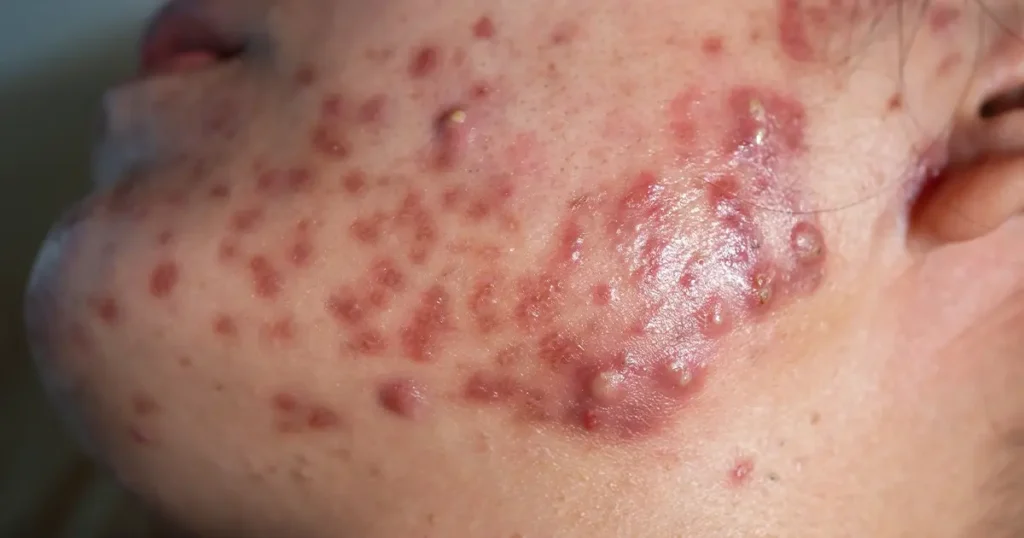
Key Takeaways
- Yes, skin irritation can trigger acne by weakening the skin barrier and causing inflammation.
- Friction, pressure, or harsh products can worsen acne on sensitive areas like the chin, forehead, and shoulders.
- Not everyone develops acne from irritation; risk depends on skin type, barrier strength, and existing conditions.
- Preventing irritation and using gentle, barrier-friendly skincare is key to controlling breakouts.
- Our Beaumont emergency room emphasizes early attention to prevent irritation from progressing into severe acne.
What Is Skin Irritation?
Skin irritation occurs when the skin’s protective barrier becomes damaged, leading to redness, dryness, itching, or heightened sensitivity. When this barrier is compromised, irritants and bacteria can penetrate more easily, making the skin prone to inflammation. This weakened state can aggravate existing acne or increase the chance of breakouts in sensitive areas. According to an NIH-indexed study, impaired barrier function is strongly linked to increased inflammation in acne-prone skin.
How Does It Affect Your Skin
- Barrier Disruption: Compromised skin allows moisture loss and irritants in, increasing dryness and vulnerability.
- Inflammation Activation: Irritation triggers immune responses, leading to redness and swelling in affected areas.
- Microbiome Imbalance: Damage allows acne-causing bacteria to multiply more easily.
- Increased Sensitivity: Irritated skin reacts more strongly to minor friction, environmental stress, or skincare products.
How Can Skin Irritation Cause Acne?
Skin irritation creates an environment where pores are easily clogged, and inflammation is heightened. Normal processes like oil production and dead skin cell shedding can escalate into blockages when the barrier is compromised. Bacteria can proliferate in irritated areas, triggering immune responses that form pimples, whiteheads, or cystic lesions.
Reasons Skin Irritation Causes Acne
- Friction or pressure: Repeated rubbing from tight clothing, straps, or helmets can irritate hair follicles and surrounding skin. This mechanical stress inflames pores and increases the likelihood of pimples, whitehead pimples, or cystic breakouts.
- Barrier breakdown: When the skin becomes dry, cracked, or weakened, it loses its natural protective barrier. This allows irritants, bacteria, and pollutants to penetrate more easily, leading to clogged pores and acne flare-ups.
- Inflammatory activation: Irritation stimulates immune cells in the skin, causing the release of inflammatory mediators. This response inflames the follicles, which can result in redness, swelling, and the formation of pimples and cystic acne on the chin or forehead.
- Microbiome imbalance: A compromised barrier disrupts the balance of beneficial and harmful skin bacteria. Overgrowth of acne-associated bacteria such as Cutibacterium acnes can occur, further increasing inflammation and triggering new pimples or blackheads.
Can Skin Irritation Cause Acne for Everyone?
Yes, but not for everyone. Some individuals with sensitive or acne-prone skin may develop breakouts even from mild irritation. Others with a stronger skin barrier might not experience acne under the same conditions. Factors such as genetics, sebum production, hormones, and skincare habits influence whether irritation will progress into clogged pores or pimples.
Skin Irritation Triggers That Cause Acne
Several factors can trigger skin irritation, which may eventually lead to acne breakouts. Understanding these triggers is crucial to preventing further damage and reducing inflammation. Identifying and minimizing these triggers helps protect your skin barrier and keeps pores clear.
- Tight Or Abrasive Clothing And Accessories: Belts, straps, or hats rub against the skin, inflaming follicles and contributing to pimples, forehead acne, and shoulder acne.
- Friction From Sports Gear Or Protective Equipment: Localized pressure can trigger whitehead pimples or cystic breakouts.
- Frequent Rubbing, Scratching, Or Touching Of Skin: Introduces bacteria and irritates pores, worsening acne on the chin or side of the mouth.
- Harsh Skincare Products Or Over-Exfoliation: Strip natural oils and damage the barrier, leading to dryness and inflammation.
- Environmental Stressors: Pollution, sweat, humidity, and sun exposure aggravate irritation and trigger breakouts in sensitive areas.
- Prolonged Occlusion Under Masks Or Tight Collars: Traps oil, bacteria, and sweat, resulting in clogged pores and acne.
Which Areas Are Most Affected by Skin Irritation?
Certain regions of the body are more prone to irritation-induced acne because they are often under pressure or friction. These areas are more likely to develop inflamed pores and pimples when exposed to mechanical or environmental stress. Identifying high-risk zones helps prevent breakouts and adjust your skincare routine.
- Chin and Jawline: Especially from mask straps, sleeping positions, or hormonal pimples, leading to cystic acne on the chin.
- Forehead: Prone to breakouts under helmets, headbands, or due to forehead acne causes, often resulting in whitehead pimples or blackheads.
- Neck and Nape: Tight collars, necklaces, or sports gear can irritate the skin, causing neck acne and inflamed follicles.
- Shoulders And Upper Back: From backpack straps or tight clothing, which can lead to shoulder acne and clogged pores.
- Torso And Upper Arms: Skin-on-skin friction or sweat accumulation promotes pimple formation, especially in acne-prone individuals.
When to See a Doctor?
If irritation-related acne does not improve with gentle care or worsens over time, it is important to seek professional guidance. Early intervention can prevent more severe breakouts, reduce the risk of scarring, and ensure appropriate acne treatment products are used. Warning signs include:
- Painful, cystic, or nodular pimples that do not heal with basic care.
- Widespread inflammation, redness, or swelling across multiple areas.
- Breakouts in unusual areas like shoulders, neck, or back.
- Persistent dryness, flaking, or sensitivity, which may indicate barrier damage.
Contact the Exceptional Emergency Centers if these symptoms appear to prevent further complications.
Treatment for Acne Caused by Skin Irritation
Treating acne caused by skin irritation requires a combination of reducing inflammation, restoring the skin barrier, and removing triggers. Gentle skincare, targeted treatments, and barrier protection can improve skin health and prevent future breakouts. Seek professional guidance for persistent or severe cases to use appropriate acne treatments.
- Barrier-Repair Cleansers And Moisturizers: Non-comedogenic, fragrance-free products restore the skin barrier and protect against irritation, helping reduce acne on the chin, forehead, or shoulders.
- Topical Acne Treatments: Mild formulations like benzoyl peroxide, salicylic acid, or retinoids help unclog pores and decrease bacterial growth, supporting acne skin care routines.
- Minimizing Friction Or Pressure: Loosen tight clothing, reduce strap contact, and use breathable fabrics to prevent mechanical irritation that can cause pimples and blackheads.
- Ongoing Acne Skincare: Consistent use of gentle cleansers, moisturizers, and acne products prevents relapse and maintains a healthy barrier.
- Medical Treatments: Prescription topicals or systemic medications may be necessary for severe or persistent cases, including cystic breakouts on the chin or forehead acne causes, under a dermatologist’s guidance.
Expert Care at Exceptional Emergency Centers
If skin irritation leads to severe or persistent acne, seeking professional emergency care is important. At Exceptional Emergency Centers, our team provides rapid assessment and guidance to manage inflammation. Early evaluation ensures proper treatment and reduces the risk of worsening breakouts.
Our specialists can help answer the question, “Can skin irritation cause acne?” by identifying triggers and protecting your skin barrier. We offer personalized care and recommend effective acne treatment products. Whether it’s cystic breakouts on the chin or forehead acne, we provide professional support for healthier skin.