
Key Takeaways
- Lesions are abnormal changes in skin or body tissues and may appear as spots, bumps, sores, or irregular growths depending on the cause.
- Some skin lesions are harmless (benign lesions), while others can signal underlying conditions and require medical attention if they change or persist.
- Primary skin lesions are the initial changes in the skin, whereas secondary skin lesions develop when the original lesion becomes irritated, infected, or begins to heal.
- Rapidly spreading or dangerous lesions, especially those showing satellite lesions, should be evaluated promptly, including at an emergency room in Harlingen if symptoms are severe.
What Are Lesions?
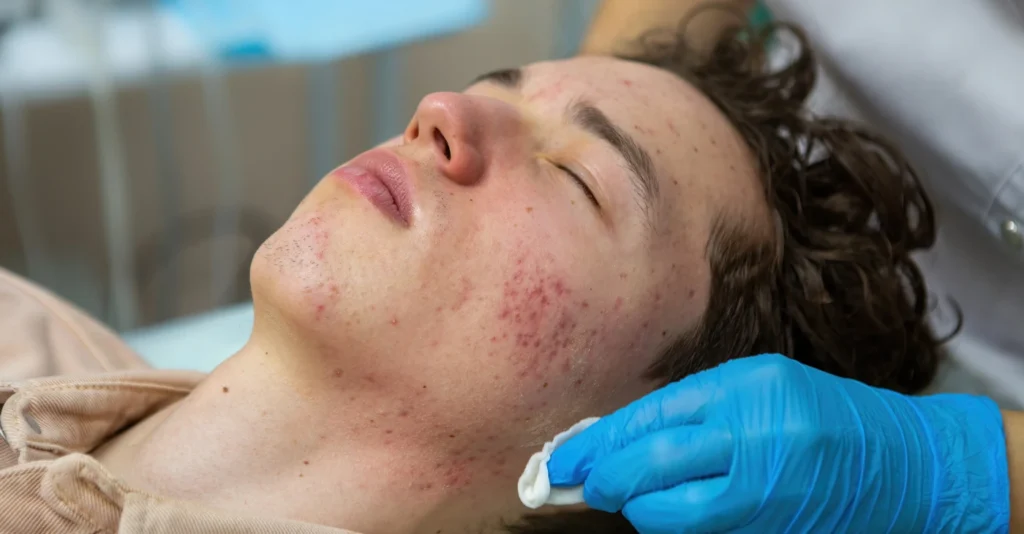
Lesions are abnormal areas of tissue that can develop on the skin, internal organs, or even within the nervous system, such as a lesion on brain structures. They can result from infections, inflammation, injuries, allergies, or chronic conditions and may appear as discoloration, swelling, bumps, or skin growths. In a large dermatological screening of 90,880 working-age adults, 26.8% showed skin findings requiring treatment or further evaluation.
Symptoms of Skin Lesions
- Changes in skin color, appearance, or texture.
- Itching, burning, tenderness, or discomfort.
- Areas that are raised, flat, or sunken.
- Blisters, crusts, or dry patches.
- Cracked areas or skin fissures.
- Oozing, bleeding, or superficial skin erosion.
Types of Skin Lesions

Skin lesions are commonly grouped into primary and secondary categories. Primary lesions represent the first, direct change occurring in the skin due to inflammation, infection, or irritation. Secondary lesions form when a primary lesion evolves, often from scratching, infection, or the natural healing process. Recognizing the type helps clinicians determine the underlying cause and the most appropriate treatment plan.
Primary Skin Lesions
Primary skin lesions are the earliest signs of a skin condition and can appear as flat discolorations, small bumps, or fluid-filled blisters. Monitoring these lesions helps clinicians identify whether a condition is inflammatory, infectious, or related to early skin growth, and ensures that any progression toward more serious concerns is addressed promptly.
Types of Primary Skin Lesions:
- Macule: A flat, discolored area of skin without thickening or texture change. It usually indicates a surface-level change in pigmentation.
- Papule: A small, raised, firm bump often caused by inflammation or irritation. Papules may signal early skin changes or mild conditions.
- Nodule: A deeper, solid bump that can extend into the deeper layers of the skin. Nodules may result from infection, inflammation, or benign growths.
- Vesicle: A small, fluid-filled blister that forms beneath the outer layer of the skin. Vesicles are commonly seen with viral infections or dermatitis.
- Patch: A larger flat area of discoloration, usually over 1 cm in size. Patches may arise from pigment changes, inflammation, or chronic skin conditions.
- Plaque: A broad, raised, flat-topped lesion formed by the merging of multiple papules. Plaques are often seen in chronic conditions like psoriasis.
- Bulla: A large blister greater than 1 cm filled with fluid. Bullae may develop from burns, friction, or autoimmune skin disorders.
- Pustule: A small, raised lesion filled with pus. Pustules often result from bacterial infection or inflammatory conditions such as acne.
- Wheal: A raised, itchy area of swelling that appears suddenly and fades within hours. Wheals are usually associated with allergic reactions or hives.
Secondary Skin Lesions
Secondary skin lesions develop when a primary lesion changes due to scratching, infection, or the healing process. These changes, such as crusts, fissures, ulcers, scars, or atrophy, indicate the progression or chronicity of the condition. Observing these lesions closely can help determine the underlying cause and guide timely treatment to prevent complications.
Types of Secondary Skin Lesions:
- Crust: Dried fluid or debris forms on the surface of a healing lesion. It indicates that the skin is actively repairing itself.
- Fissure: A narrow, painful crack in the skin caused by dryness or chronic irritation. Fissures increase the risk of infection and discomfort.
- Ulcer: A deep, open sore involving loss of multiple skin layers. Ulcers often require medical attention to prevent further tissue damage.
- Scar: Fibrous tissue that replaces normal skin after a wound heals. Scars are usually less flexible and may remain visible permanently.
- Atrophy: Thinning of the skin that can appear shiny or translucent. Atrophy may result from chronic inflammation, aging, or prolonged skin conditions.
Papule vs Macule
A papule and a macule are both primary lesions but differ in elevation and texture. A macule is flat and represents only a change in skin color, without any raised surface, such as freckles or flat birthmarks. A papule, on the other hand, is raised and can feel firm or slightly elevated. Papular lesions may result from inflammation, infection, or early skin growth. Understanding this distinction helps determine whether a lesion is superficial or part of a deeper skin process.
What Is a Benign Skin Lesion?
A benign skin lesion is a non-cancerous change in the skin that does not threaten health. Examples include moles, cysts, lipomas, and certain papular bumps. Although benign, these lesions may still cause discomfort or cosmetic concerns. Some benign lesions can resemble early-stage benign skin cancer or other concerning lesions, making evaluation important when they change in size, color, or texture.
Symptoms of a Benign Skin Lesion
- Small, stable growth or bump on the skin.
- Smooth or slightly raised texture.
- Usually painless or only mildly tender.
- Consistent color, though some may be slightly darker than surrounding skin.
- Slow or no change in size over time.
- Occasionally causes cosmetic concern or mild irritation.
When to See a Doctor
While many lesions on skin are harmless, some changes can indicate underlying conditions that need urgent attention. Timely medical care can prevent complications and ensure appropriate management. Seek medical attention if you notice:
- Rapid changes in size, color, or shape of a lesion.
- Pain, itching, or bleeding from the lesion.
- Signs of infection, such as redness, swelling, or pus.
- Multiple or spreading satellite lesions.
- Lesions that do not heal or keep returning.
If you experience any of these warning signs, contact Exceptional Emergency Centers for expert emergency care and personalized evaluation.
Skin Lesion Diagnosis
Diagnosing skin lesions involves reviewing medical history and examining their size, color, borders, and progression. Clinicians may use dermoscopy, imaging, or biopsy to identify infections, immune-related conditions, or malignancy. Lesions deeper in the body, such as a lesion on brain scans, require specialized imaging.
Treatment for Skin Lesions
Treatment varies depending on the type and cause of the lesion. Mild lesions may require simple care such as moisturizers or prescription topical medications, while infected or suspicious lesions may need removal or biopsy. Early treatment can prevent irritation and secondary complications like fissures or erosion.
Common Treatments Include:
- Topical medications: Reduce inflammation, treat infection, or soothe irritation depending on the cause.
- Cryotherapy: Freezes and removes warts, benign growths, or precancerous spots.
- Surgical excision: Removes concerning or dangerous lesions and allows laboratory evaluation.
- Laser therapy: Targets pigmentation issues, scars, or selected benign lesions with precision.
- Biopsy: Extracts a small tissue sample to determine whether a lesion is benign, infectious, or malignant.
Care for Lesions at Exceptional Emergency Centers
If you notice unusual changes in your skin or body tissues, such as a bump, discoloration, or growth, timely attention is crucial. Understanding what a lesion is helps you identify when professional care is needed. Causes can range from minor irritation to more serious conditions, and early evaluation ensures safe, effective management.
At Exceptional Emergency Centers, our team provides expert emergency care for concerning lesions, offering rapid assessment, accurate diagnosis, and personalized treatment. We help address underlying causes, prevent complications, and support your overall health and skin well-being.