
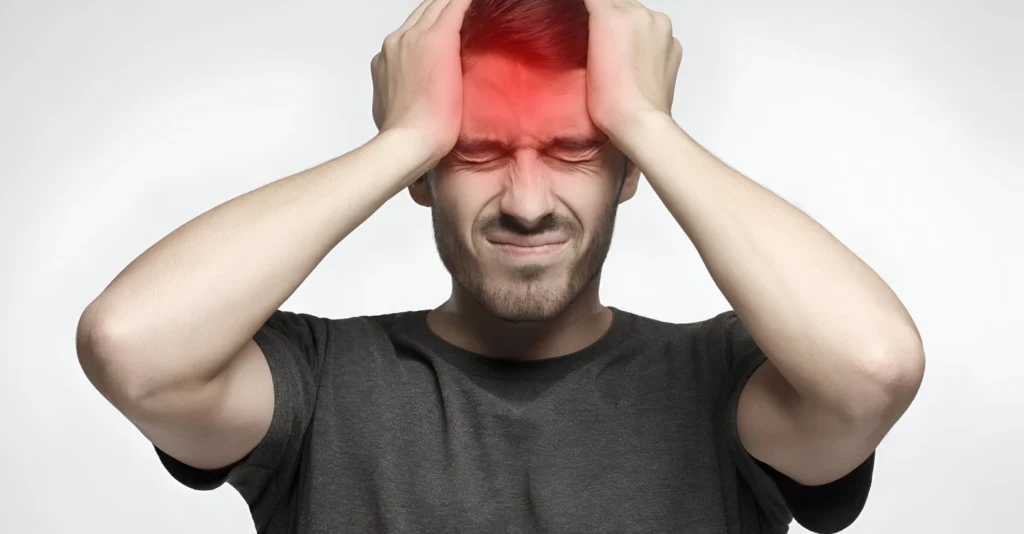
Headaches are more than a simple nuisance; they can interfere with your daily activities, work, and sleep. According to the World Health Organization (WHO), headache disorders affect about 40% of the global population, roughly 3.1 billion people in 2021. Understanding what causes headaches is essential for effective management, whether you experience occasional tension headaches or chronic daily pain. From subtle pressure in the head to sharp or throbbing pain on one side of the brain, headaches can appear in many forms, each pointing to different underlying factors.
While many people write off headaches as minor inconveniences, they can actually reveal important insights about your overall health. Certain lifestyle habits, environmental triggers, and medical conditions all play a role in why the top of your head hurts, why you might wake up with a morning headache, or experience pressure in your head after skipping a meal. If your headaches are severe, persistent, or unusual, it’s important to seek professional care, visiting the Amarillo emergency room can ensure proper evaluation and timely headache treatment. Knowing the causes can help you take proactive steps toward relief.
Primary Headaches
Primary headaches occur independently, without an underlying medical condition. They are caused by heightened activity in the brain’s pain pathways, and their triggers can be lifestyle, environmental, or neurological.
Common Primary Headaches
- Tension headache
- Migraine
- Cluster headache
- Trigeminal autonomic cephalalgias (TACs)
Less Common Primary Headaches
- Chronic daily headaches
- Cough headaches
- Exercise headaches
- Sex headaches
Causes of Primary Headache
Primary headaches are often linked to everyday habits, environmental exposures, and physiological changes:
Stress and Anxiety
Emotional strain and tension can tighten muscles in your neck, shoulders, and scalp, often triggering tension headaches. Stress is a leading contributor to constant headaches and can make chronic daily headaches more intense. Mental pressure can also amplify pain perception, making even mild headaches feel unbearable. Managing stress through relaxation techniques can reduce the frequency and severity of these headaches.
Hormonal Fluctuations
Hormonal changes during menstruation, pregnancy, or menopause can increase sensitivity in the brain’s pain pathways. These fluctuations often make migraines more severe and frequent. In fact, migraines are a common issue in the U.S., affecting 11.7%–14.7% of adults, with 17.1%–19.2% of women experiencing them compared to 5.6%–7.2% of men. Some people may notice headaches coincide with specific hormonal shifts, like morning headache causes during PMS. Being aware of these patterns helps in planning preventive measures and timely headache treatment.
Sensory Overload
Bright lights, loud noises, and strong odors can overwhelm the nervous system and provoke splitting headaches or pressure headache sensations. Environments with flashing lights or excessive noise can trigger sudden pain at the top of the head or back of the skull. Sensory overload can also worsen migraines and tension headaches. Protecting your senses with calm, quiet environments can help reduce these triggers.
Diet and Nutrition
Skipping meals or consuming foods high in sugar or additives can lead to hunger headaches and low-energy fatigue. Fluctuating blood sugar is a common cause of headaches from not eating, and yes, can not eating cause headaches—it definitely can. Certain triggers like MSG, processed foods, or caffeine can intensify pressure in head sensations. Maintaining regular, balanced meals helps prevent diet-related headaches.
Sleep Irregularities
Irregular sleep patterns, insufficient sleep, or even oversleeping can cause insufficient sleep headaches and morning headaches. Poor sleep affects pain regulation in the brain, making headaches more likely and intense. These disruptions may result in pressure in the head, fatigue, and difficulty concentrating. Prioritizing consistent, restful sleep can significantly reduce headache frequency.
Dehydration
Even mild dehydration can trigger headaches, often felt as pain at the top of the head, headache at the base of the skull, or pain on the right side of the brain. Water loss reduces blood flow and oxygen delivery to the brain, amplifying discomfort. Dehydration-related headaches are especially common during hot weather, intense exercise, or skipped meals. Staying hydrated throughout the day is a simple yet effective preventive measure.
Secondary Headaches
Secondary headaches are symptoms of another underlying issue. They can signal serious health concerns or arise from lifestyle and environmental factors.
Common Secondary Headaches
- Sinus headaches
- Medication-overuse headaches
- Spinal headaches
- Thunderclap headaches
- Hormone-related headaches
- Caffeine headaches
- Hypertension headaches
- Exertional headaches
- Headaches from musculoskeletal issues
- Post-concussion headaches
- Cervicogenic Headache
Secondary Headache Causes by Category
Secondary headaches arise from underlying medical conditions, lifestyle factors, or environmental triggers. Understanding the root category helps pinpoint the source of your pain and guides effective headache treatment.
Causes can range from vascular issues, neurological problems, infections, or lifestyle habits, each producing distinct sensations like pressure in the head, headache at the top of the head, or headache at the base of the skull. Identifying the category is the first step in managing these often more serious headaches.
Vascular Causes
- Arterial tears (carotid or vertebral dissections)
- Brain aneurysm
- Stroke
- Intracranial hematoma
- Pseudotumor cerebri
Neurological Causes
- Brain AVM (arteriovenous malformation)
- Trigeminal neuralgia
- Concussion
- Persistent post-concussive symptoms
- Intractable headache patterns
Infections & Inflammation
- Acute sinusitis
- Ear infection (middle ear)
- Encephalitis
- Meningitis
- Influenza and other febrile illnesses
- Toxoplasmosis
- Giant cell arteritis
- Ear pain and headache
Eye & Head Pressure Causes
- Glaucoma (acute angle-closure)
- Pressure from tight headgear (helmets, goggles)
- Barometric pressure headaches
Lifestyle & Toxic Causes
- Dehydration
- Hangovers
- Carbon monoxide poisoning
- MSG overconsumption
- Certain medications (side effects)
- Fatigue and headaches
- Morning headache
- Headache after meal
- Sugar and headaches
- Does low BP causes headache
- Does anxiety cause headaches
- Covid headache 2024
Dental & Jaw Causes
- Dental problems (tooth infection, TMJ)
- Headache at base of skull
- Cause for back head pain
- Severe headache in the back of the head
Take Action for Your Headache Relief
Headaches are a multifaceted health issue, ranging from minor nuisances to red-flag symptoms. Whether it’s a tension headache caused by stress, a morning headache from poor sleep, or pressure in the head triggered by environmental factors, understanding the root cause is the first step to effective management.
Exploring preventive habits, lifestyle adjustments, and proper headache treatment can reduce the frequency and intensity of your pain. For severe, persistent, or unusual headaches, visiting the emergency care at Exceptional Emergency Center ensures timely evaluation and care. Taking proactive steps can make a world of difference, helping you regain control and relief from recurring head pain.