
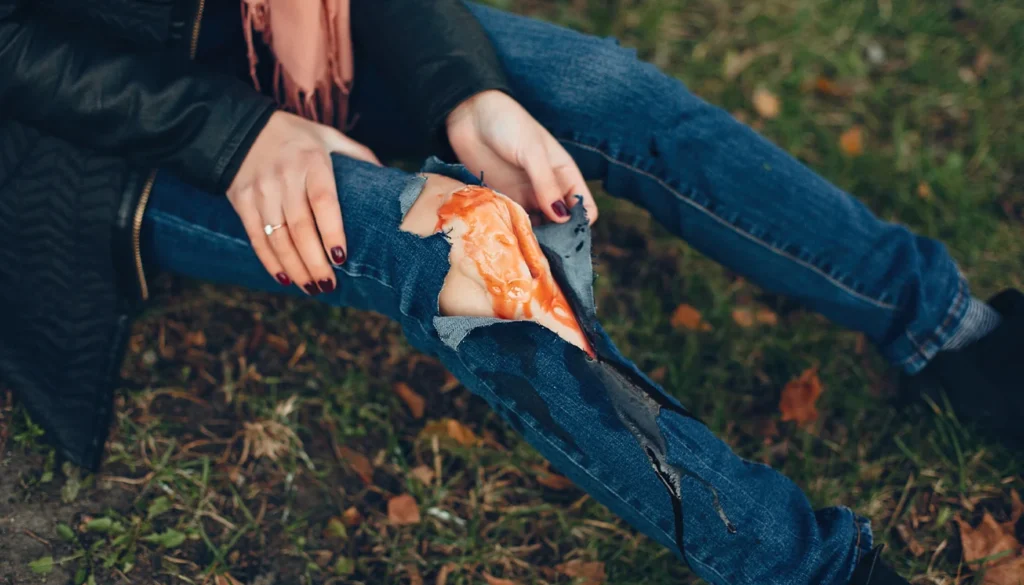
Halloween brings costumes, trick-or-treating, pumpkin carving, and plenty of excitement, but these activities can also lead to unexpected injuries. Falls, cuts, burns, traffic-related injuries, and allergic reactions can happen quickly, especially after dark.
A PubMed study estimated 5.7 million holiday-related injuries among children and adolescents treated in U.S. emergency departments, with Halloween among the holidays associated with a high number of pediatric injuries. Minor injuries may improve with basic first aid, but severe bleeding, trouble breathing, loss of consciousness, or serious allergic reactions require prompt emergency care.
Costumes: Are They Safe and Visible?
A costume should allow children to walk, see, and move comfortably. Poorly fitting costumes, masks that block vision, and loose accessories can increase the risk of falls or make it harder for children to see vehicles and other hazards.
- Choose costumes that fit properly and do not drag on the ground.
- Avoid oversized shoes, long capes, loose fabric, or accessories that can cause tripping.
- Make sure masks do not obstruct vision or hearing.
- Consider face paint instead of masks when appropriate.
- Add reflective tape or other reflective materials to costumes and trick-or-treat bags.
- Have children carry a flashlight or wear another reliable light source after dark.
- Choose flame-resistant costumes and keep children away from open flames.
For additional tips on reducing the risk of trips and other common injuries, review these fall injury prevention strategies.
Trick-or-Treating: How Can Kids Stay Safe?
Halloween puts more children outside after dark, often near driveways, intersections, and busy roads. Excitement and distractions can make it harder for children to notice approaching vehicles, so adult supervision and visibility are especially important.
- Use sidewalks whenever they are available.
- Cross streets at marked crosswalks and look for approaching vehicles before crossing.
- Avoid walking between parked cars or crossing from behind vehicles.
- Keep younger children with a responsible adult.
- Choose familiar, well-lit routes and stay together.
- Keep phones and other distractions away while crossing streets.
- Remind drivers to slow down and watch carefully for pedestrians, particularly around driveways and intersections.
If a child is struck by a vehicle or experiences a significant impact, seek prompt medical evaluation even when there are no obvious injuries. Some serious injuries may not be immediately apparent.
Pumpkin Carving: How Can You Prevent Cuts?
Pumpkin carving can cause deep cuts when a knife slips or a child loses control of a sharp tool. Young children should not handle carving knives, and adults should supervise the activity closely.
- Place the pumpkin on a stable, well-lit surface before carving.
- Use age-appropriate pumpkin carving tools.
- Have adults handle sharp carving tools when younger children are involved.
- Let younger children decorate pumpkins with markers, stickers, or other safe materials.
- Keep candles and open flames away from costumes and areas where children are moving.
- Consider battery-operated lights instead of candles inside pumpkins.
Decorations can create additional hazards when cords, inflatables, or other items are placed across walkways, stairs, or doorways. Secure decorations properly and keep pathways clear so children do not trip while moving around in the dark.
Halloween Candy: What Safety Risks Should You Know?
Candy is a major part of Halloween, but food allergies can make certain treats dangerous. Parents should check candy before children eat it and make sure children with known allergies have access to their prescribed emergency medication.
- Inspect treats before allowing children to eat them.
- Do not eat candy that is opened, damaged, or missing its original packaging.
- Check ingredient labels for known allergens.
- Keep known allergens away from children with food allergies.
- Consider choking risks when giving candy to young children.
- Keep prescribed epinephrine accessible for children with known severe allergies.
Trouble breathing, throat or tongue swelling, fainting, or rapidly worsening symptoms after eating can indicate anaphylaxis. Call 911 immediately and use prescribed epinephrine as directed.
Halloween Injuries: What Should You Do?
Not every Halloween injury requires an ER visit. Minor scrapes, small bruises, and mild bumps may improve with basic first aid and observation. The appropriate response depends on the type and severity of the injury.
- Minor cuts and scrapes: Clean the area with soap and water, then cover it with a clean bandage.
- Bruises and mild bumps: Use a cold pack wrapped in a cloth for short periods to help reduce swelling and discomfort.
- Suspected fractures: Keep the injured area as still as possible and avoid trying to straighten or reposition it.
- Head injuries: Watch for changes such as worsening headache, repeated vomiting, confusion, unusual behavior, or increasing drowsiness.
- Burns: Cool the affected area under cool running water and avoid applying ice directly to the skin.
- Allergic reactions: Follow the child’s prescribed emergency allergy plan. Breathing difficulty, throat swelling, or fainting requires immediate emergency care.
- Severe injuries: Call 911 for severe bleeding, difficulty breathing, loss of consciousness, seizures, major trauma, or other potentially life-threatening symptoms.
When an injury appears serious or symptoms are worsening, seek emergency medical evaluation without delay.
Halloween Injuries: When Should You Go to the ER?
Some Halloween injuries require more than basic first aid and should be evaluated by an emergency medical professional. Seek emergency care when symptoms are severe, worsening, or suggest a potentially serious injury.
If you are unsure whether an injury requires emergency evaluation, these guidelines on when to visit the ER can help you recognize situations that may need prompt care.
- Severe bleeding: Seek emergency care when bleeding is heavy or does not stop with firm, continuous pressure.
- Head injuries: Go to the ER for loss of consciousness, repeated vomiting, confusion, seizures, worsening headache, or unusual behavior after a head injury.
- Breathing problems: Difficulty breathing, severe wheezing, or significant swelling of the mouth or throat requires immediate emergency care.
- Severe allergic reactions: Throat or tongue swelling, fainting, or rapidly worsening symptoms after allergen exposure can indicate anaphylaxis.
- Serious injuries: Suspected fractures, deep wounds, serious burns, major trauma, or injuries caused by a vehicle should be evaluated promptly.
Emergency centers can evaluate a wide range of injuries and urgent medical concerns. See examples of emergency conditions treated to better understand when emergency care may be appropriate.
For life-threatening symptoms, call 911 immediately rather than driving the child to the ER.
Halloween Safety: What Should Families Remember?
A little preparation before heading out can reduce many common Halloween risks. Check costumes, plan a safe route, and make sure children understand basic safety rules before the evening begins.
Halloween can also involve outdoor exposure to insects, particularly during evening activities. For additional guidance on bug bites and stings, know which reactions may require medical attention.
- Check costumes for loose fabric, poor visibility, and tripping hazards.
- Choose a familiar trick-or-treating route away from heavy traffic.
- Give children flashlights and use reflective materials after dark.
- Clear walkways, steps, and porches around your home.
- Keep candles and open flames away from costumes and decorations.
- Keep basic first-aid supplies available for minor injuries.
- Have prescribed emergency medications accessible when needed.
- Review street and pedestrian safety rules with children before trick-or-treating.
Halloween Safety Checklist: Are You Prepared?
- Choose a properly fitted and visible costume.
- Keep costumes short enough to prevent tripping.
- Use reflective materials and a flashlight after dark.
- Supervise children around streets, driveways, and vehicles.
- Keep sharp pumpkin-carving tools away from young children.
- Inspect candy before eating it.
- Check labels for known food allergens.
- Keep prescribed emergency medications accessible.
- Watch for serious symptoms after injuries or allergic exposures.
- Call 911 for life-threatening emergencies.
- Seek emergency care for serious injuries or concerning symptoms.
Halloween Emergency Care at Exceptional Emergency Centers
Whether it is a deep cut from pumpkin carving, a serious fall, a suspected fracture, or an allergic reaction that is getting worse, Exceptional Emergency Centers are available around the clock to provide prompt emergency care. Our emergency centers are equipped to evaluate injuries and sudden medical concerns with diagnostic services available when medically appropriate.
If your child experiences a serious Halloween injury or concerning symptoms, do not wait for them to worsen. Visit Exceptional Emergency Centers for timely emergency evaluation when your family needs care.
Key Takeaways
- Minor injuries may need only basic first aid, but severe bleeding or deep wounds require medical evaluation.
- Loss of consciousness, repeated vomiting, confusion, or seizures after a head injury require prompt care.
- Suspected fractures, severe swelling, or visible deformity may require emergency evaluation and imaging.
- Breathing difficulty, throat swelling, fainting, or rapidly worsening allergy symptoms require immediate emergency care.
- Vehicle injuries, major trauma, and serious burns should be evaluated promptly. Call 911 for life-threatening symptoms.
- Exceptional Emergency Centers provide 24/7 emergency care with diagnostic services available when medically appropriate.