
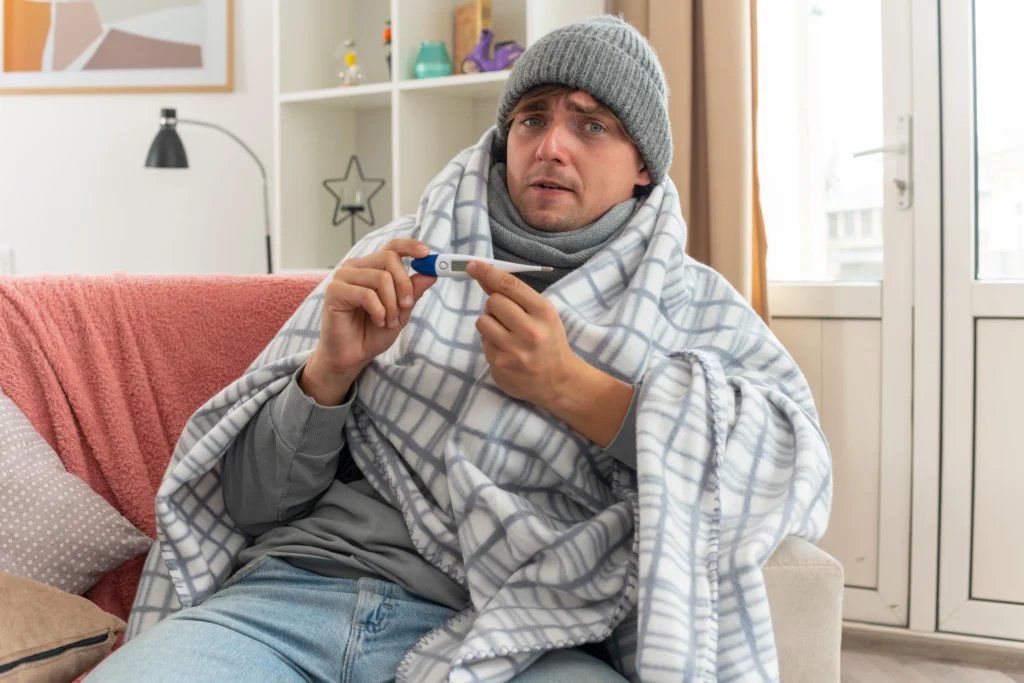
Hypothermia is a medical emergency that occurs when the body’s core temperature drops below 95°F (35°C). It happens when the body loses heat faster than it can produce it, often after prolonged exposure to cold weather, cold water, rain, or wet clothing. As body temperature falls, the brain, heart, respiratory system, and other organs may not function normally.
Hypothermia can develop gradually, and a person may not recognize that it is happening because the condition can affect thinking and coordination. Early symptoms may include shivering, tiredness, confusion, and clumsiness, while more severe hypothermia can cause slurred speech, slow breathing, loss of consciousness, and other life-threatening complications. If you suspect hypothermia, prompt medical attention at an emergency room in Beaumont, TX is important.
What Is Hypothermia?
Hypothermia occurs when the body loses heat faster than it can produce it, causing the core body temperature to fall to an abnormally low level. A body temperature below 95°F (35°C) is considered hypothermia and requires immediate medical attention.
Although hypothermia is commonly associated with freezing weather, it can also happen in cool conditions when a person becomes chilled by rain, sweat, or cold water. Wet clothing and prolonged exposure can increase heat loss and make the condition develop more quickly.
How Does Hypothermia Affect the Body?
When the body is exposed to cold, it attempts to maintain its normal temperature by producing and conserving heat. Prolonged or significant exposure can overwhelm these responses, allowing body temperature to continue falling. As the temperature decreases, normal brain, heart, breathing, and muscle function can become impaired.
Increased Heat Loss
The body can lose heat through exposure to cold air, contact with cold water or surfaces, and wind. Water can remove body heat particularly quickly, while wet clothing can increase heat loss compared with staying dry. Prolonged exposure without adequate protection can eventually lower core body temperature.
Shivering Response
Shivering is one of the body’s early attempts to generate additional heat. It occurs automatically as the body responds to cold temperatures. However, as hypothermia becomes more severe, shivering may stop, which can indicate that the condition is worsening rather than improving.
Effects on the Brain and Coordination
As body temperature continues to fall, hypothermia can affect the brain and nervous system. A person may become confused, have difficulty remembering information, fumble with objects, or have trouble coordinating movements. These changes can make it difficult for the person to recognize the danger or seek help.
What Are the Symptoms of Hypothermia?
Hypothermia symptoms may develop gradually and can become more serious as body temperature continues to fall. Recognizing the warning signs early is important because a person experiencing hypothermia may not realize that their condition is becoming dangerous. Common symptoms include:
- Shivering: Shivering is often an early response as the body attempts to generate heat.
- Exhaustion or fatigue: A person may become unusually tired, weak, or lacking in energy as the body struggles to maintain its temperature.
- Confusion: Falling body temperature can affect the brain and make it difficult to think clearly or recognize the seriousness of the situation.
- Fumbling hands: Poor coordination may make ordinary movements difficult, including handling clothing, equipment, or other objects.
- Slurred speech: As hypothermia progresses, a person may have difficulty speaking clearly or may begin mumbling.
- Drowsiness: Increasing sleepiness or very low energy can occur as body temperature continues to decline.
- Slow or shallow breathing: Severe hypothermia can slow the respiratory system and cause breathing to become shallow.
- Weak pulse: A significant drop in body temperature can affect cardiovascular function and produce a weak pulse.
Severe hypothermia may lead to loss of consciousness and potentially life-threatening heart or respiratory problems. Infants may have bright red, cold skin and unusually low energy rather than the typical symptoms seen in adults. If severe symptoms occur, seek immediate care at your nearest emergency room.
What Can Cause Hypothermia?
Hypothermia develops when the body loses heat faster than it can replace it. Cold weather is a common cause, but exposure to cold water, rain, sweat, and wet clothing can also contribute. Common situations that can lead to hypothermia include:
- Spending too much time outdoors in cold weather.
- Wearing clothing that does not provide adequate warmth.
- Remaining in wet clothing for an extended period.
- Falling into cold water.
- Being exposed to rain or cold water for a prolonged period.
- Staying in an inadequately heated environment.
- Becoming exhausted while exposed to cold conditions.
Hypothermia can occur even when outdoor temperatures are above 40°F if a person becomes chilled by rain, sweat, or cold water. The combination of cold and moisture can cause body heat to be lost more quickly.
Who Is At Risk of Hypothermia?
Certain people may have a higher risk of developing hypothermia because they lose body heat more easily or have difficulty recognizing or responding to cold conditions. Risk factors include:
- Older adults: Aging can reduce the body’s ability to regulate temperature and sense cold. Some older adults may also have difficulty moving to a warmer environment.
- Young children and infants: Children can lose heat faster than adults and may not recognize when they need to get out of the cold.
- People exposed to cold for long periods: Hikers, hunters, people experiencing homelessness, and others who spend extended periods outdoors may have increased exposure.
- Alcohol use: Alcohol can make a person feel warm while increasing heat loss from the skin and reducing the body’s natural shivering response.
- Certain medical conditions: Conditions that affect temperature regulation, including hypothyroidism, diabetes, stroke, Parkinson’s disease, and some injuries, can increase risk.
- Certain medications: Some antidepressants, antipsychotics, sedatives, and other medicines can affect the body’s ability to regulate temperature.
If you develop symptoms of hypothermia, seek prompt medical care at an ER near me.
How Is Hypothermia Diagnosed?
Hypothermia is often identified based on a person’s symptoms, body temperature, and the circumstances surrounding the exposure. A healthcare professional may assess the person’s temperature, breathing, heart function, level of alertness, and other signs of illness. Blood tests may also help confirm hypothermia and determine how severe it is.
Because hypothermia can affect multiple body systems, medical evaluation may also look for related problems or complications. The appropriate evaluation depends on the person’s symptoms, temperature, and overall condition.
How Is Hypothermia Treated?
Hypothermia requires prompt medical attention because body temperature can continue to fall and affect vital organs. Initial treatment focuses on stopping further heat loss and gradually restoring body temperature. The appropriate approach depends on the severity of hypothermia.
First-aid measures while waiting for medical help may include:
- Moving the person carefully to a warm, dry location.
- Removing wet clothing and replacing it with dry clothing or blankets.
- Covering the person’s head and body to reduce further heat loss.
- Warming the center of the body rather than aggressively heating the arms and legs.
- Offering a warm, nonalcoholic drink if the person is awake and able to swallow safely.
A person with suspected hypothermia should be handled gently. Do not rub or massage the body, and do not use very hot water, heating pads, or other intense direct heat because these measures can cause injury or dangerous changes in heart rhythm.
In a medical setting, treatment may include heated blankets, warmed intravenous fluids, humidified oxygen, or more advanced rewarming methods for severe hypothermia.
How Can You Prevent Hypothermia?
Preventing prolonged exposure to cold is one of the most effective ways to reduce the risk of hypothermia. Staying dry and wearing appropriate clothing can help the body retain heat during cold conditions. Consider these precautions:
- Wear several layers of loose, warm clothing.
- Protect your head, hands, feet, and neck from cold exposure.
- Replace wet clothing as soon as possible.
- Avoid excessive sweating when spending extended periods in cold weather.
- Take breaks in warm, dry locations.
- Avoid alcohol when you will be exposed to cold weather.
- Use appropriate safety equipment during cold-water activities.
- Check on older adults, infants, and others who may have difficulty staying warm.
Water can cause rapid heat loss, so water safety during cold-water activities requires particular caution. Wearing a life jacket during boating and getting out of cold water as soon as safely possible can help reduce the risk of hypothermia.
When To Go To The ER
Hypothermia is a medical emergency. If you suspect that someone has hypothermia, particularly when their body temperature is below 95°F (35°C), seek emergency medical attention immediately.
You should seek emergency care if the person has symptoms such as:
- Severe confusion: Significant changes in thinking or awareness may indicate that hypothermia is affecting brain function.
- Slurred speech: Difficulty speaking clearly can occur as body temperature falls and may indicate worsening hypothermia.
- Extreme drowsiness: Unusual sleepiness or very low energy can be a sign of significant temperature loss.
- Slow or shallow breathing: Changes in breathing can occur with severe hypothermia and require urgent medical attention.
- Loss of consciousness: An unconscious person with suspected hypothermia needs immediate emergency care.
- No obvious pulse or breathing: Severe hypothermia can make a person appear lifeless. Emergency assistance should be obtained immediately, and CPR may be necessary according to emergency guidance.
If hypothermia is suspected, do not wait for symptoms to become severe before seeking medical help. Early treatment can help prevent complications involving the heart, brain, and other organs.
Emergency Care for Hypothermia
Hypothermia can worsen quickly when body temperature continues to fall. Emergency medical evaluation is especially important when a person has confusion, slurred speech, severe drowsiness, slow breathing, loss of consciousness, or a body temperature below 95°F (35°C).
At Exceptional Emergency Centers, healthcare professionals can assess body temperature, breathing, circulation, and neurological function while beginning appropriate rewarming measures. More severe cases may require advanced medical treatment to gradually restore the body’s core temperature and manage complications.
Key Takeaways
- Hypothermia occurs when core body temperature falls below 95°F (35°C) and can become life-threatening if not treated promptly.
- Cold weather, cold water, rain, wet clothing, and prolonged exposure can cause the body to lose heat faster than it can replace it.
- Early symptoms include shivering, fatigue, confusion, fumbling hands, and poor coordination, while severe cases may cause slow breathing, loss of consciousness, or cardiac problems.
- Move the person to a warm, dry location, remove wet clothing, and cover them with dry blankets while avoiding rubbing or applying intense direct heat.
- Severe confusion, slurred speech, extreme drowsiness, slow breathing, loss of consciousness, or a temperature below 95°F require immediate emergency medical care.
FAQs
What is hypothermia?
Hypothermia is a dangerous condition that occurs when the body’s core temperature falls below 95°F (35°C). It happens when the body loses heat faster than it can produce it and can interfere with normal brain, heart, and respiratory function.
What temperature is considered hypothermia?
A core body temperature below 95°F (35°C) is considered hypothermia. This is a medical emergency that requires immediate medical attention.
What are the first signs of hypothermia?
Early signs can include shivering, tiredness, confusion, fumbling hands, and loss of coordination. As the condition progresses, symptoms may include slurred speech, drowsiness, slow breathing, and loss of consciousness.
Can you get hypothermia when it is not freezing outside?
Yes. Hypothermia can occur in temperatures above 40°F when someone becomes chilled by rain, sweat, or cold water. Prolonged exposure to cool, wet conditions can cause the body to lose heat faster than it can replace it.
Can hypothermia be life-threatening?
Yes. Severe hypothermia can affect the heart, respiratory system, brain, and other organs. Without treatment, it can lead to serious complications and death.
What should you do if someone has hypothermia?
Move the person carefully to a warm, dry location, remove wet clothing, cover them with dry blankets or clothing, and seek emergency medical attention. Avoid rubbing the person’s body or applying intense direct heat.
Does shivering always happen with hypothermia?
No. Shivering can occur during the early stages of hypothermia, but it may stop as body temperature continues to fall. The absence of shivering does not mean that the person is recovering and can indicate worsening hypothermia.