
As men get older, changes in urinary habits can slowly become hard to ignore. Waking up multiple times at night, struggling to start urination, or feeling like the bladder never fully empties can become frustrating and exhausting over time.
An enlarged prostate is a common condition where the prostate gland grows bigger and presses against the urethra, making urination difficult. Also known as benign prostatic hyperplasia (BPH), it is not cancer but can affect daily life and sleep quality if left untreated. Sudden urinary retention, severe pain, blood in urine, or fever may require immediate medical attention at our Tyler emergency room.
Dangerous Enlarged Prostate Symptoms
An enlarged prostate can sometimes lead to serious urinary problems or complications if left untreated. Recognizing warning signs early is important to prevent infection, blockage, or worsening symptoms.
- Difficulty starting urination or a weak urine stream.
- Frequent urination, especially during the night.
- Sudden inability to urinate at all (urinary retention).
- Pain or burning sensation during urination.
- Blood in the urine or cloudy urine.
- Fever, chills, nausea, or severe lower abdominal pain may indicate infection or urinary blockage.
If you or your loved one is experiencing these symptoms, seek care at an emergency room for UTI.
What Causes Enlarged Prostate
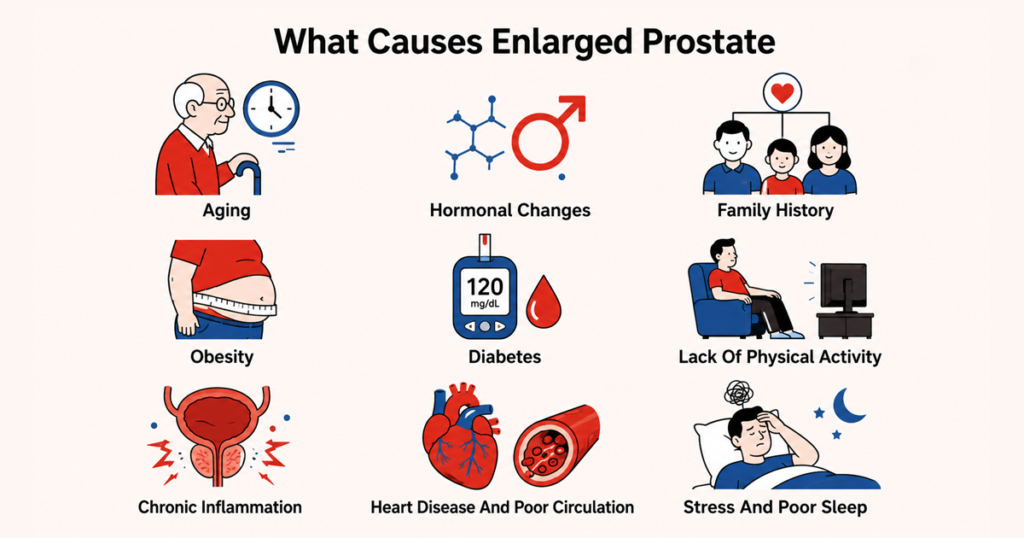
An enlarged prostate usually develops gradually over time and is often linked to changes that occur as men age. Many people ignore early urinary symptoms, thinking they are a normal part of getting older, but untreated prostate enlargement can affect bladder function and quality of life. Understanding the possible causes can help men recognize risk factors early and seek medical care before symptoms become severe.
Aging
Aging is the most common cause of an enlarged prostate, as natural hormonal changes over time lead to gradual prostate growth that can affect urine flow. This process usually develops slowly and becomes more noticeable after age 50. According to the NIH (NIDDK), about 5%–6% of men aged 40–64 and nearly 30%–33% of men aged 65 and older experience benign prostatic hyperplasia, making age the strongest risk factor.
Hormonal Changes
Changes in hormone levels, especially testosterone and dihydrotestosterone (DHT), are strongly linked to prostate enlargement. These hormones continue affecting prostate tissue as men age, leading to the gradual growth of the gland. Even normal hormone fluctuations can contribute to urinary symptoms. Hormonal imbalance may also increase nighttime urination and weak urine flow.
Family History
Men with a family history of enlarged prostate are more likely to develop the condition themselves. Genetics can influence how the prostate grows and how early symptoms appear. If a father or brother has experienced prostate problems, the risk may be higher. Early monitoring can help detect urinary changes before complications develop.
Obesity
Excess body weight is associated with a higher risk of prostate enlargement and urinary symptoms. Obesity may increase inflammation and alter hormone levels that affect prostate growth. Men who are overweight may also experience more severe bladder pressure and urinary frequency. Maintaining a healthy weight can help reduce symptom progression.
Diabetes
Diabetes can affect bladder nerves and urinary function, increasing the risk of enlarged prostate symptoms. High blood sugar levels may worsen urinary urgency, frequency, and incomplete bladder emptying. Men with diabetes are also more likely to experience urinary tract complications. Proper blood sugar management may help improve urinary health.
Lack Of Physical Activity
A sedentary lifestyle may contribute to poor circulation, weight gain, and worsening urinary symptoms. Men who exercise less often may have a greater risk of prostate enlargement compared to physically active individuals. Regular movement and exercise can support bladder function and overall prostate health. Even moderate activity may help reduce symptom severity.
Chronic Inflammation
Long-term inflammation in the prostate or urinary tract can contribute to enlargement of prostate tissue. Inflammation may irritate nearby structures and increase urinary discomfort over time. Some men experience pelvic pain, burning urination, or persistent urinary symptoms related to inflammation. Treating underlying inflammation may help improve prostate function.
Heart Disease And Poor Circulation
Poor blood flow and cardiovascular disease may affect prostate health and bladder function. Reduced circulation can worsen tissue changes linked to prostate enlargement. Men with high blood pressure or heart disease often report more severe urinary symptoms. Managing cardiovascular health may also support healthier urinary function.
Stress And Poor Sleep
Chronic stress and lack of sleep may worsen urinary symptoms associated with an enlarged prostate. Stress can increase muscle tension around the bladder and urinary tract, making symptoms feel more severe. Interrupted sleep from nighttime urination can also affect mental and physical health. Addressing stress and improving sleep habits may help patients better manage symptoms.
When To Go To The ER
Some enlarged prostate symptoms can become serious and may require immediate medical attention. Delaying emergency care can increase the risk of bladder damage, kidney problems, severe infection, or complete urinary blockage. Seeking prompt treatment is important if symptoms suddenly worsen or become painful.
- Complete inability to urinate.
- Severe lower abdominal or pelvic pain.
- Blood in the urine.
- Fever and chills with urinary symptoms.
- Painful or burning urination with worsening symptoms.
- Confusion, weakness, or dizziness along with infection symptoms.
- Nausea or vomiting with urinary retention.
- Sudden swelling or pain in the lower abdomen.
If you or your loved one is experiencing these symptoms, seek care at the closest emergency room near me.
Enlarged Prostate Treatment
Enlarged prostate symptoms can interfere with sleep, comfort, and daily activities, but many effective treatments are available. Treatment depends on symptom severity and may include lifestyle changes, medications, minimally invasive procedures, or surgery in more serious cases. Early treatment can help improve urine flow and reduce the risk of bladder or kidney complications.
- Lifestyle Changes: Reducing caffeine and alcohol, limiting fluids before bedtime, and staying active may help improve urinary symptoms and bladder control.
- Bladder Training Techniques: Timed urination and scheduled bathroom visits can help manage urgency and reduce frequent urination in mild cases.
- Pelvic Floor Exercises: Kegel exercises strengthen pelvic muscles and may improve urine control and reduce leakage.
- Over-The-Counter Supplements: Some men try saw palmetto or beta-sitosterol for relief, but most doctors recommend consulting a healthcare provider due to mixed results and possible interactions.
- Alpha Blocker Medications: Drugs like tamsulosin or alfuzosin relax the prostate and bladder muscles to improve urine flow. Most doctors recommend these for moderate symptoms.
- 5-Alpha Reductase Inhibitors: Finasteride or dutasteride may help shrink the prostate over time by lowering hormone effects. Most doctors recommend them for long-term management.
- Combination Drug Therapy: Using two medications together may provide better symptom relief when one alone is not effective.
- Antibiotics For Infection: If infection is present, antibiotics are used to treat it and prevent complications from worsening. Most doctors recommend prompt treatment.
- Catheter Placement: A catheter may be used temporarily when urination is completely blocked to drain the bladder safely.
- Minimally Invasive Procedures: Options like UroLift or Rezūm help relieve obstruction without major surgery and are used when medications fail.
- TURP Surgery: A common surgical procedure that removes part of the prostate to improve urine flow in severe cases.
- Laser Surgery: Laser treatment removes or shrinks prostate tissue with less bleeding and quicker recovery than traditional surgery.
- Prostate Artery Embolization: A minimally invasive option that reduces blood flow to shrink the prostate over time.
- Hydration And Diet: Drinking enough water and avoiding bladder irritants may help reduce symptom flare-ups.
- Regular Monitoring: Routine checkups help track progression and prevent complications affecting the bladder or kidneys.
Emergency Care For Enlarged Prostate
Enlarged prostate symptoms can sometimes become serious if treatment is delayed. Sudden urinary retention, severe pain, infection, or bladder pressure may require immediate medical attention to help prevent complications affecting the bladder or kidneys.
When enlarged prostate symptoms come with fever, blood in the urine, severe pain, or inability to urinate, emergency care is important. At Exceptional Emergency Centers, patients receive fast evaluation and treatment to help relieve symptoms and reduce the risk of complications. If you’re concerned about our ER wait times, most patients are seen in about 10 minutes.
Key Takeaway
- Enlarged prostate (BPH) is a common condition, especially in older men, and is not cancer, but can still seriously affect urination.
- Early symptoms include weak urine flow, frequent urination, and difficulty starting urination.
- In severe cases, it can lead to urinary retention, infection, or blood in urine, which require urgent care.
- Risk factors include aging, hormonal changes, obesity, diabetes, and family history.
- Treatment options range from lifestyle changes and medications to minimally invasive procedures and surgery.
- Seek emergency care if you are unable to urinate, have severe pain, fever, or blood in urine.
Frequently Asked Questions
What Is The Best Treatment For Enlarged Prostate?
The best treatment depends on symptoms and severity. Options include lifestyle changes, medications like alpha blockers (most doctors recommend), and procedures such as TURP or minimally invasive therapies.
Does An Enlarged Prostate Affect A Man Sexually?
Yes, it can in some cases. BPH may cause erectile issues, reduced libido, or ejaculation changes, but not all men experience sexual problems.