

Key Takeaways
- Brain fog is a temporary or chronic state of reduced cognitive function, often triggered by stress, fatigue, or underlying health conditions.
- In cases where brain fog is sudden, severe, or accompanied by other warning signs, immediate medical evaluation at our Tyler emergency room may be necessary.
- It can affect memory, focus, and decision-making, making everyday tasks more difficult.
- Lifestyle factors, sleep deprivation, and diet play a key role in mental clarity.
- Early recognition and intervention can help clear brain fog instantly.
What Does Brain Fog Feel Like?
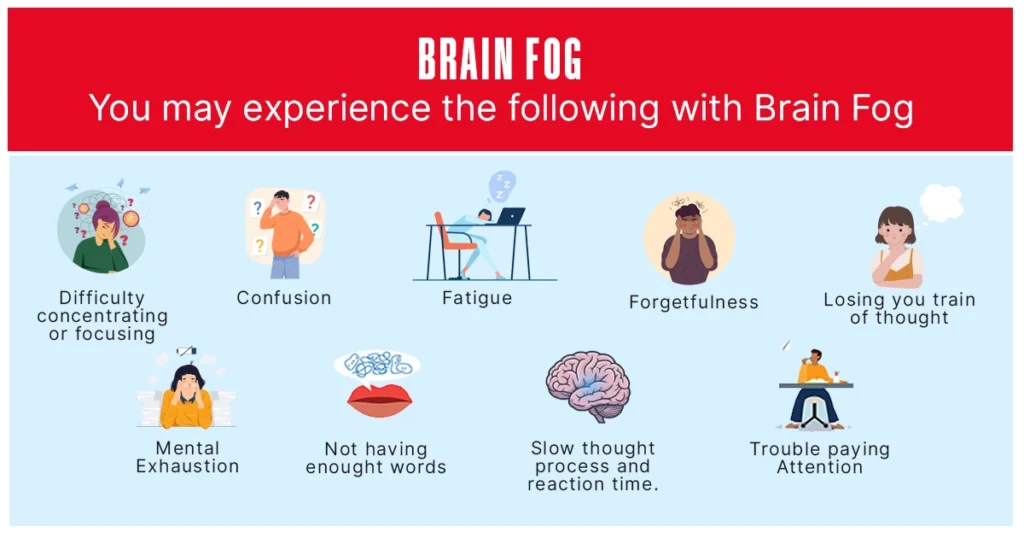
Brain fog feels like a cloud over your thinking, making it difficult to focus or process information. You may struggle with memory recall, feel mentally sluggish, or experience scatterbrain episodes. Tasks that were once simple can feel overwhelming, and decision-making may take longer. Studies show that about 20.4% of people with long COVID report impaired cognition or “brain fog.”
Symptoms of Brain Fog
- Difficulty concentrating or focusing.
- Forgetfulness and memory loss issues.
- Confusion or trouble processing information.
- Mental fatigue or tiredness.
- Feeling scatterbrain or disconnected.
- Trouble with decision-making.
- Lack of motivation or mental clarity.
Brain Fog Causes
Brain fog can stem from various lifestyle, health, or environmental factors. It is often temporary but can become persistent if underlying causes are not addressed. The sensation of mental fog can occur alongside fatigue, stress, or poor sleep patterns and may worsen with prolonged exposure to these triggers. Common causes of brain fog include:
- Sleep Deprivation Brain Fog: Lack of quality sleep reduces cognitive function and memory retention, making it harder to focus and process information.
- Stress and Anxiety: Chronic stress elevates cortisol levels, affecting clarity and focus. Anxiety can cause racing thoughts that make concentration difficult.
- Diet and Nutritional Deficiencies: Poor diet, dehydration, or vitamin deficiencies (B12, iron, vitamin D) can impair brain function and increase mental fatigue.
- Medication Side Effects: Some medications, like sedatives or antihistamines, can cause drowsiness or cognitive sluggishness, contributing to temporary brain fog.
- Covid Brain Fog: Post-COVID conditions may cause persistent mental fog, fatigue, and difficulty concentrating even weeks after recovery.
Learn More: New COVID-19 Variant 2025: Symptoms, Diagnosis & Treatment - Hormonal Imbalances: Thyroid issues, menopause, or changes in hormone levels can reduce mental sharpness and affect memory and focus.
- Medical Conditions: Chronic illnesses such as diabetes, autoimmune disorders, or fibromyalgia can trigger mental fog through fatigue and inflammation.
When Brain Fog Is an Emergency?
Most cases of brain fog are mild and temporary, but it can sometimes indicate a serious health issue. Seek immediate medical attention if cognitive issues appear suddenly or are accompanied by other concerning symptoms. Warning signs include:
- Severe headache or vision changes.
- Confusion or disorientation.
- Slurred speech or difficulty talking.
- Weakness or numbness on one side of the body.
- Fainting or loss of consciousness.
If these symptoms appear alongside mental fog, contact the Exceptional Emergency Centers immediately for evaluation.
How Is Brain Fog Diagnosed?
Diagnosing brain fog involves a comprehensive medical evaluation to rule out underlying conditions. Physicians may review medical history, conduct physical exams, and recommend lab tests to check for vitamin deficiencies, hormonal imbalances, or infections. They also assess lifestyle factors, including sleep patterns, diet, stress levels, and medication use, to pinpoint the cause of mental fog.
Tips to Prevent and Improve Brain Fog
Adopting healthy lifestyle habits can help reduce brain fog and improve mental clarity. Proper sleep, hydration, balanced nutrition, and stress management support cognitive sharpness. Mental exercises, memory lift strategies, and focused routines can further help clear brain fog and reduce scatterbrain episodes.
Actionable Tips:
- Prioritize 7–9 hours of quality sleep each night.
- Stay hydrated throughout the day to prevent mental fog.
- Eat a balanced diet rich in fruits, vegetables, whole grains, and lean proteins.
- Manage stress through meditation, deep breathing, or light exercise.
- Take short breaks during work or study to maintain focus.
- Practice cognitive exercises or memory lift activities daily.
- Limit alcohol, caffeine, and highly processed foods to improve clarity.
Brain Fog Treatment
Treatment focuses on addressing the root cause and improving cognitive function. Lifestyle modifications, proper sleep, balanced nutrition, and stress management play a significant role. When underlying medical conditions are involved, targeted treatment can reduce fogginess and scatterbrain episodes.
Common Treatments:
- Lifestyle Changes: Adequate sleep, hydration, a balanced diet, stress management, and mental exercises can reduce mental fog.
- Medical Treatment: Treating underlying conditions such as thyroid disorders, autoimmune diseases, or vitamin deficiencies can improve cognitive clarity.
- Medication: In some cases, medications like modafinil (for fatigue-related cognitive issues), methylphenidate (for focus problems), or supplements such as B-complex vitamins and omega-3 fatty acids may be recommended by a physician.
- Remedies and Methods: Cognitive training, memory lift exercises, and daily routines to reduce scatterbrain can support mental clarity.
Brain Fog Support at Exceptional Emergency Centers
Understanding what brain fog is crucial when mental clarity, focus, or memory is significantly affected. Persistent or severe brain fog can interfere with daily life, making it difficult to think, concentrate, or make decisions. Our team at Exceptional Emergency Centers provides rapid evaluation to identify underlying causes and offer personalized support.
While mild cases may improve with lifestyle adjustments, prolonged or intense cognitive impairment may require emergency care. Our experts deliver professional guidance, monitoring, and treatment to help restore mental sharpness, reduce scatterbrain episodes, and support overall brain health efficiently.