
Key Takeaways
- Pneumonia itself is not directly contagious, but the bacteria or viruses that cause it can spread from person to person.
- How contagious pneumonia is depends on the cause, with bacterial and viral types spreading more easily than fungal forms.
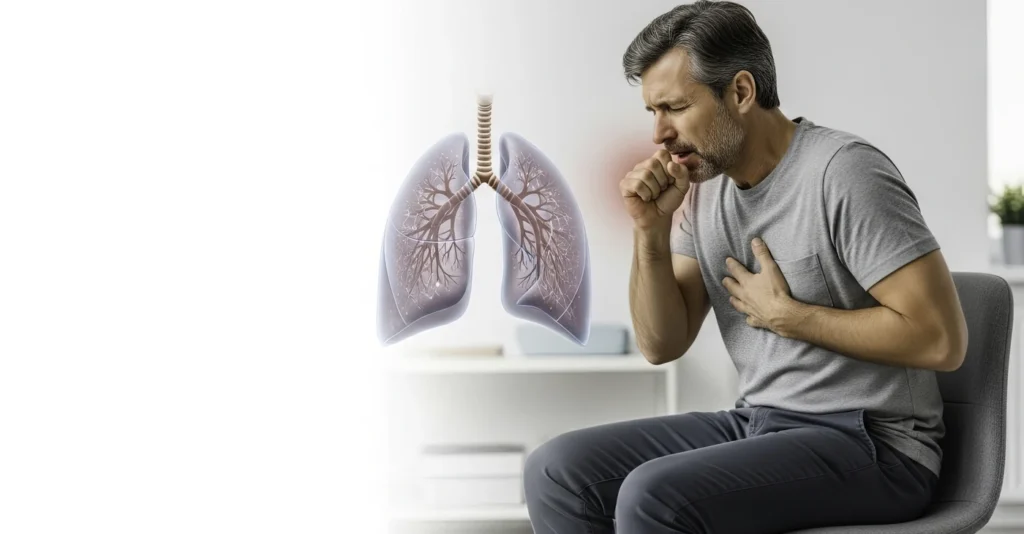
- Symptoms can range from mild cough and fever to severe breathing difficulty and chest pain.
- Recovery time varies based on the type of pneumonia, overall health, and how quickly treatment begins.
- In severe cases, prompt evaluation is critical. Our Beaumont emergency room can provide immediate care when symptoms become life-threatening.
What Is Pneumonia?
Pneumonia is a lung infection that inflames the air sacs (alveoli) in one or both lungs, causing them to fill with fluid or pus. This inflammation makes breathing difficult and limits oxygen flow to the bloodstream. Pneumonia can affect people of all ages, but infants, older adults, and individuals with weakened immune systems are at higher risk. The condition ranges from mild to severe and can become life-threatening without proper care.
According to a large U.S. study published in PubMed, community-acquired pneumonia leads to an estimated 24.8 hospitalizations per 10,000 adults annually, highlighting its significant health impact.
Pneumonia Symptoms
- Cough with or without mucus.
- Fever and chills.
- Shortness of breath or rapid breathing.
- Chest pain during breathing or coughing.
- Fatigue, weakness, or loss of appetite.
What Causes Pneumonia?
Pneumonia develops when infectious organisms reach the lungs and overwhelm the body’s immune defenses, triggering inflammation and fluid buildup. The severity of illness depends on the type of organism involved, a person’s immune strength, and underlying health conditions. While some people recover quickly, others may experience serious complications, especially without timely treatment. Common causes include:
- Bacterial Pneumonia: Caused by bacteria that infect the lungs, often following a cold or flu, and can lead to sudden, severe symptoms.
- Viral Pneumonia: Results from respiratory viruses and may start mildly but worsen over time, particularly in high-risk individuals.
- Atypical Pneumonia: Caused by less common bacteria, often producing milder but longer-lasting symptoms.
- Fungal Pneumonia: Usually affects people with weakened immune systems and is not typically spread person-to-person.
How Long Is Pneumonia Contagious?
Pneumonia itself is not contagious; however, the germs that cause it can spread. Bacterial pneumonia is usually contagious until a person has been on antibiotics for about 48 hours and their fever improves. Viral pneumonia can be contagious for several days while symptoms like coughing and fever are present. Fungal pneumonia is generally not contagious.
How Long Does Pneumonia Last?
The duration of pneumonia varies depending on the cause, overall health, and how quickly treatment begins. Many people notice improvement within days of treatment, but full recovery can take weeks as the lungs heal and energy levels return. Lingering fatigue and cough are common during recovery. Duration by type may include:
- Bacterial Pneumonia: Symptoms often improve within a few days of antibiotics, though full recovery may take several weeks.
- Viral Pneumonia: Recovery may take longer, with cough and tiredness persisting after the infection clears.
- Walking Pneumonia: Symptoms are usually milder but can last several weeks.
- Fungal Pneumonia: Recovery depends on immune health and timely antifungal treatment.
Can Pneumonia Go Away On Its Own?
In some healthy adults, mild pneumonia may resolve on its own as the immune system clears the infection. However, pneumonia can be unpredictable, and medical evaluation is strongly recommended to prevent worsening illness or complications. By type:
- Mild Pneumonia in Healthy Adults: May improve with rest, fluids, and monitoring, but medical guidance is advised.
- Pneumonia in Children or Older Adults: Rarely resolves safely without medical care due to a higher risk of complications.
When Pneumonia Is An Emergency?
Pneumonia becomes an emergency when it interferes with breathing or oxygen delivery to the body. Rapid worsening or severe symptoms require immediate medical attention. Emergency warning signs include:
- Severe or worsening shortness of breath.
- Persistent chest pain.
- Confusion or sudden changes in alertness.
- Bluish lips or fingertips.
If these symptoms appear, contact Exceptional Emergency Centers immediately for urgent evaluation and treatment.
How To Treat Pneumonia
Pneumonia treatment focuses on clearing the infection, relieving symptoms, and supporting breathing. The approach depends on the cause and severity, with early treatment helping reduce complications and recovery time. Treatment options may include:
- Antibiotics: Most doctors recommend antibiotics for bacterial pneumonia to eliminate infection and shorten contagiousness.
- Antiviral Medications: Most doctors recommend antivirals for certain viral pneumonias when appropriate.
- Over-the-Counter Fever and Pain Relievers: Help reduce fever, aches, and discomfort.
- Cough Management: Remedies may ease irritation while allowing productive coughing to clear mucus.
- Oxygen Therapy: Used in more severe cases to maintain healthy oxygen levels.
- Rest, Fluids, and Supportive Care: Essential for recovery and immune function.
Exceptional Emergency Centers For Pneumonia Care
Respiratory infections can worsen quickly, and symptoms like persistent cough, fever, chest pain, or trouble breathing should never be ignored. At Exceptional Emergency Centers, patients have access to a fully equipped emergency room near me for rapid evaluation, advanced imaging, and immediate treatment when pneumonia symptoms escalate. Our experienced medical team is available 24/7 to provide timely, reliable care and peace of mind.
If you’re asking, Is Pneumonia Contagious, it’s important to know when symptoms may pose a risk to others or signal a more serious condition. While pneumonia itself isn’t directly contagious, worsening breathing issues, high fever, or confusion require urgent attention. Exceptional Emergency Centers deliver fast diagnosis, personalized treatment, and emergency care to help protect your health and prevent complications.