
Key Takeaways
- Black mucus (or black phlegm / sputum with black spots) may result from inhaled smoke, dust, or pollution.
- Persistent black mucus can indicate underlying lung conditions or infections.
- Not all black mucus is serious; it may clear once irritants are removed.
- People with occupational exposure (coal dust, industrial pollutants) are at higher risk of producing black mucus.
- If black mucus persists or comes with other symptoms, visit our Brownsville emergency room for proper evaluation.
What Does Black Mucus Mean?
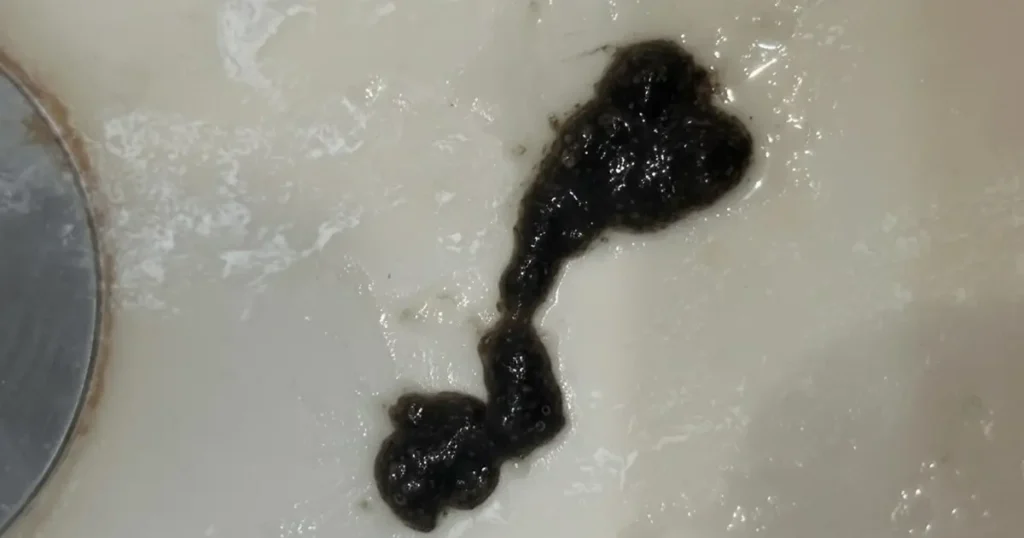
Black mucus, or melanoptysis, can result from inhaling dust, smoke, or pollutants, or from underlying lung issues. A well-documented case involved a coal worker producing black sputum due to anthracosis, where fibrosed lung tissue became cavitated by infection. This shows black mucus may sometimes be harmless, but it can also indicate serious respiratory conditions.
Symptoms of Black Mucus
- Persistent cough producing dark phlegm or sputum.
- Shortness of breath or difficulty breathing.
- Chest heaviness or discomfort.
- Blood-tinged or streaked mucus.
- Frequent throat clearing or mucus in the throat.
Causes of Black Mucus
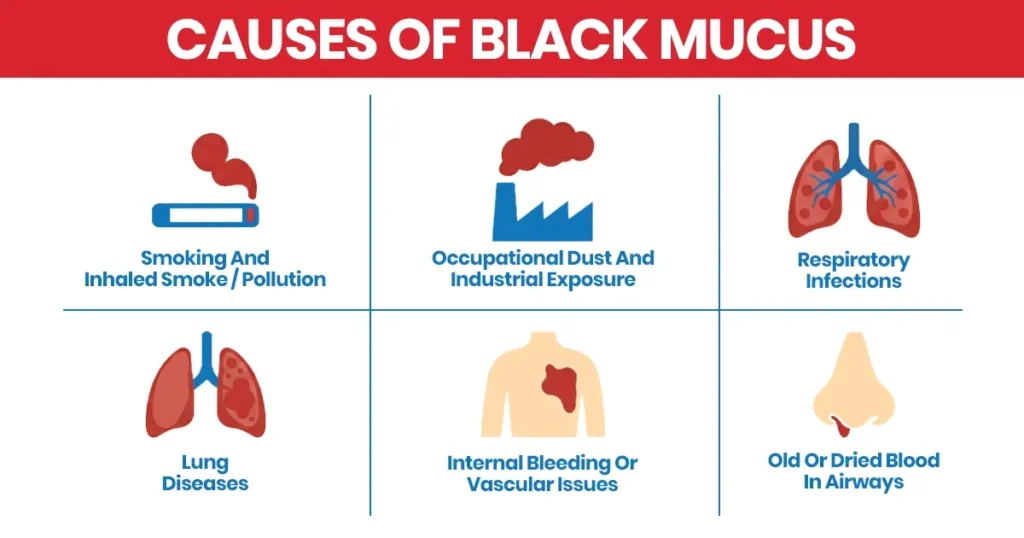
Black mucus forms as a response of the respiratory system to irritants or underlying conditions. While sometimes harmless, persistent dark mucus may reflect more serious issues that need evaluation by a medical professional.
Smoking and Inhaled Smoke / Pollution
Cigarette smoke, wildfire smoke, and air pollution contain tar, soot, and other fine particles that can become trapped in the respiratory mucus. Over time, these particles accumulate, darkening mucus and producing black phlegm or sputum with black spots. Repeated exposure also impairs the lungs’ natural clearance mechanisms, making it harder to expel the black color mucus effectively.
Occupational Dust and Industrial Exposure
Long-term exposure to coal dust, silica, or industrial particulates can lead to black mucus in workers. Inhaled dust particles accumulate in the lungs and mix with mucus, forming black secretion or black specks in phlegm. Conditions like anthracosis or coal workers’ pneumoconiosis can develop in severe cases, making black mucus a potential early warning sign.
Respiratory Infections
Bacterial, fungal, or tuberculosis infections can damage lung tissue and cause localized necrosis, as seen in conditions like pneumonia. The body responds by producing mucus to trap debris and infected material, which may darken and appear as black phlegm. In these cases, black specks in phlegm or sputum with black spots indicate that medical evaluation is necessary.
Lung Diseases
Chronic lung diseases such as COPD, bronchiectasis, or lung abscesses may impair the airways’ ability to clear mucus. When mucus accumulates in damaged or inflamed tissue, it can darken, forming black-colored mucus or phlegm with brown flecks. Persistent black mucus in these conditions often signals ongoing lung stress or infection.
Internal Bleeding or Vascular Issues
Bleeding within the lungs or airway, even minor, can mix with mucus and turn it dark. People on blood thinners or with vascular or heart-related conditions may notice black mucus or spitting brown mucus. This black secretion often requires careful monitoring to rule out serious internal causes.
Old or Dried Blood in Airways
When mucus or phlegm remains in the airways for a while, old blood or debris can oxidize and darken. This can result in black mucus or black snot appearing when coughing or clearing the throat. Though sometimes benign, repeated occurrences should prompt medical evaluation to ensure no underlying lung or airway disease.
When Black Mucus Could Be Serious
Persistent black mucus can indicate serious respiratory issues, especially if accompanied by additional symptoms. Warning signs include:
- Chronic cough producing dark or black phlegm.
- Chest pain or tightness.
- Shortness of breath.
- Blood-tinged or foul-smelling sputum.
- Unexplained weight loss or fatigue.
If you notice any of these, contact the Exceptional Emergency Centers immediately.
How Black Mucus Forms and Where It Appears?
Mucus is produced in the respiratory system to trap dust, pollutants, and microbes. When these particles accumulate or lung tissue is damaged, mucus can darken. Reduced clearance, infections, or necrotic tissue contribute to black mucus formation.
Where It Appears:
- Nose / Sinuses: Dark mucus may appear when inhaled dust or smoke accumulates, noticeable when blowing your nose.
- Throat (postnasal drip): Mucus from the sinuses can drip down, forming black mucus in the throat.
- Lungs & Airways: Black phlegm or sputum appears when deeper lung tissue is affected, or debris accumulates.
- After Coughing: Black specks in phlegm or sputum can emerge when mucus is cleared from the airways.
Medical Treatment for Black Mucus
Medical treatment for black mucus focuses on identifying and addressing the underlying cause. Persistent or symptomatic black mucus often requires professional evaluation to prevent complications. Treatment may involve medications, procedures, or management of chronic lung conditions, depending on the source of the black phlegm.
- Antibiotics / Antifungal Medications: Used if infection causes black mucus.
- Bronchoscopy / Airway Clearance Procedures: Remove debris, necrotic tissue, or mucus obstruction.
- Management of Chronic Lung Conditions: Includes respiratory therapy, inhalers, oxygen therapy, and monitoring for diseases like pneumoconiosis.
- Supportive Care: Oxygen therapy and interventions to improve airway clearance and lung function.
How to Get Rid of Mucus Naturally
- Hydration: Drinking water thins mucus, making it easier to expel.
- Steam Inhalation / Humidifiers: Moist air loosens thick mucus.
- Saline Nasal Rinse: Helps clear postnasal drip and nasal mucus.
- Avoid Irritants: Reduce exposure to smoke, pollution, or allergens.
- Exercise / Breathing Exercises: Aid mucus clearance from airways.
How to Get Rid of Mucus in the Throat Fast
- Steam or Warm Fluids: Loosens mucus in throat and sinuses.
- Salt Water Gargle: Eases throat irritation and helps remove mucus.
- Stay Upright: Gravity helps mucus drain instead of pooling.
- Saline Nasal Spray: Reduces postnasal drip, causing throat mucus.
- Avoid Irritants / Allergens: Prevents worsening of mucus in throat.
Care for Black Mucus at Exceptional Emergency Centers
If you notice persistent or concerning black mucus, seeking professional evaluation is crucial. At Exceptional Emergency Centers, our team provides rapid assessment to identify underlying causes such as infections, lung conditions, or environmental irritants. Early evaluation ensures timely treatment and prevents complications. Black mucus can sometimes be harmless, but if symptoms persist, it’s important to ask, “Why is my mucus black?” Our specialists offer emergency care, recommend appropriate medical treatments, and guide you on managing airway and respiratory health for safer, healthier outcomes.