
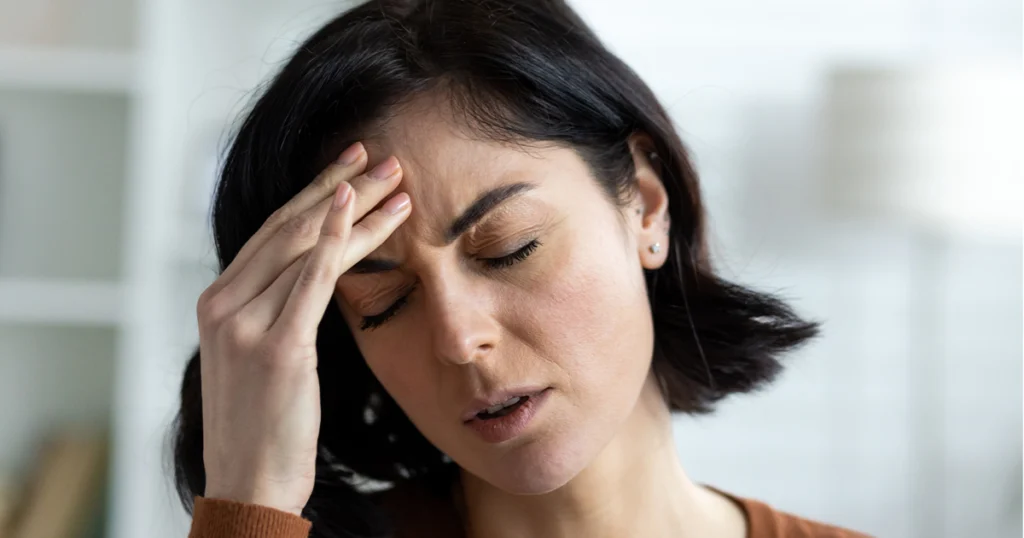
Recognizing the signs of a stroke in women is crucial, as symptoms can sometimes present differently than in men. Women may experience subtle or atypical warning signs, making early detection more challenging. Awareness and timely response can significantly improve outcomes. In severe cases, seeking immediate care at Brownsville emergency room can be life-saving.
Understanding how strokes manifest in women helps in identifying them quickly and reducing long-term complications. Early recognition allows for prompt treatment and better recovery chances. Paying attention to unusual physical changes, discomfort, or neurological symptoms can make a critical difference. Quick action ensures women receive the urgent care they need when every minute counts.
Why Stroke Symptoms Differ in Women
Stroke symptoms can differ in women due to hormonal influences, pregnancy-related factors, and overall biological differences compared to men. Women may also experience unique warning signs such as sudden fatigue, nausea, or hiccups, which can delay recognition and treatment. One in 5 women will have a stroke, and about 55,000 more women than men have a stroke each year. Risk factors like pregnancy complications, menopause, and use of birth control further increase their chances of stroke. Because these symptoms are often subtle or mistaken for other conditions, strokes in women may be underdiagnosed or treated later than in men. Understanding these differences is essential for faster response and better outcomes.
Key Points
- Hormonal changes during pregnancy, menopause, or birth control use.
- Increased risk of blood clots linked to pregnancy or hormone therapy.
- Unique symptoms such as fatigue, nausea, or sudden hiccups.
- Longer life expectancy raises overall stroke risk in women.
- Atypical signs often lead to misdiagnosis or delayed treatment.
What Causes Stroke in Women?
Strokes in women can occur due to a variety of underlying factors and may present differently compared to men. They are mainly categorized into two types: ischemic and hemorrhagic. An ischemic stroke, the most common form, develops when a blood clot or blockage disrupts blood flow to the brain, depriving it of oxygen. A hemorrhagic stroke, on the other hand, happens when a weakened blood vessel ruptures or leaks, causing bleeding in the brain.
Research shows that females face a higher risk of ischemic stroke before the age of 30 and again after age 85, influenced by hormonal and biological changes. While males are more prone to hemorrhagic strokes overall, women are more likely to suffer from a subarachnoid hemorrhage, a specific subtype that can be life-threatening. These differences highlight the importance of gender-specific awareness and prevention strategies.
Signs of a Stroke in Women
Recognizing the signs of a stroke in women is crucial for early intervention and effective treatment. While some symptoms overlap with men, women may also experience unique or less typical signs that can be easily overlooked. Early detection is important because strokes can progress rapidly, leading to severe brain damage or even death if not treated immediately. Understanding these warning signals helps in seeking medical attention without delay and improving recovery outcomes.
Sudden Numbness or Weakness
One of the most common stroke signs in women is sudden numbness or weakness, especially on one side of the body. This can affect the face, arm, or leg, often causing difficulty in lifting objects or maintaining balance. Sometimes, women may notice a droop on one side of the face when they try to smile. The weakness can come suddenly and worsen quickly, making it a key warning sign that should never be ignored.
Trouble Speaking or Understanding
Women experiencing a stroke may suddenly find it difficult to speak clearly or understand conversations. Their speech may become slurred, or they may struggle to form simple sentences. Some women also report sudden confusion, where they cannot follow directions or respond appropriately. This symptom can appear abruptly, even in women who had no prior speech issues, and is a clear sign of brain function disruption.
Vision Changes
A stroke can also cause sudden vision problems, such as blurred or double vision, or even loss of vision in one or both eyes. Women may describe it as a sudden darkness or a curtain falling over their sight. These changes can be temporary or persistent, but they should always be taken seriously. Vision changes often accompany other stroke symptoms, making it easier to identify when multiple signs appear together.
Dizziness and Loss of Balance
Some mild strokes may present only with temporary dizziness, slight numbness, or brief vision issues. Learning the signs of a mild stroke in a woman can prompt quicker medical attention.Stroke often disrupts coordination and balance, causing women to feel dizzy or unsteady on their feet. This can make walking difficult and increase the risk of falling. Some may also experience sudden difficulty in standing upright or moving smoothly. These problems are linked to damage in parts of the brain that control movement and balance.
Severe Headache Without Cause
Many women report experiencing a sudden and severe headache during a stroke, often described as the “worst headache of their life.” Unlike normal headaches, this pain develops suddenly and is usually intense. It may also be accompanied by nausea, vomiting, or sensitivity to light. This type of headache is more common in hemorrhagic strokes, where bleeding irritates brain tissues. Ignoring such a headache can be dangerous, as it often signals a medical emergency.
Silent Stroke in a Woman
Silent strokes can occur without obvious symptoms, making them difficult to detect. These strokes may still cause subtle changes in the brain, affecting memory, focus, or coordination over time. Being aware of the signs of a silent stroke in a woman can help with early intervention and prevent future complications. Regular check-ups and monitoring risk factors are essential for maintaining brain health.
Key Indicators to Watch For
- Minor changes in memory or difficulty recalling recent events.
- Slight trouble with balance or coordination that seems unusual.
- Occasional headaches that are different from typical tension headaches.
- Small lapses in concentration or difficulty completing familiar tasks.
- Unexplained mood swings or sudden emotional changes.
When to Seek Immediate Medical Help
If a woman shows sudden symptoms of a stroke, it is critical to act fast and get emergency care. Recognizing the early signs of a stroke in women can make the difference between full recovery and lasting complications. Stroke damage happens within minutes, and early treatment can save brain function and even life. Delays in seeking help may lead to long-term disability or more severe outcomes. Calling emergency services immediately ensures the best chance for recovery.
- Sudden weakness or numbness in the face, arm, or leg, especially on one side.
- Trouble speaking, slurred speech, or confusion in understanding others.
- Sudden vision loss, blurred, or double vision.
- Severe headache that comes on quickly with no clear cause.
- Dizziness, loss of balance, or difficulty walking.
Even if symptoms are brief or mild, such as those seen in mini strokes, recognizing the signs of a mini stroke in women and seeking emergency care is essential to prevent serious complications.
Rapid Stroke Care When Every Second Counts
Stroke symptoms in women can sometimes be subtle or unusual, which makes quick recognition especially important. Early action can prevent serious damage and improve recovery outcomes. With access to immediate evaluation and advanced care, patients can receive timely treatment when it matters most. Acting fast is the key to reducing the risk of long-term complications. Rapid response truly makes a difference in survival and quality of life.
At the Exceptional Emergency Center, our skilled team provides emergency care with a focus on rapid diagnosis and personalized treatment. From advanced testing to tailored interventions, we ensure that every patient gets the right support at the right time. Compassion and expertise guide our approach, helping women get the urgent care they need. When every second counts, having dedicated professionals available can make all the difference.