
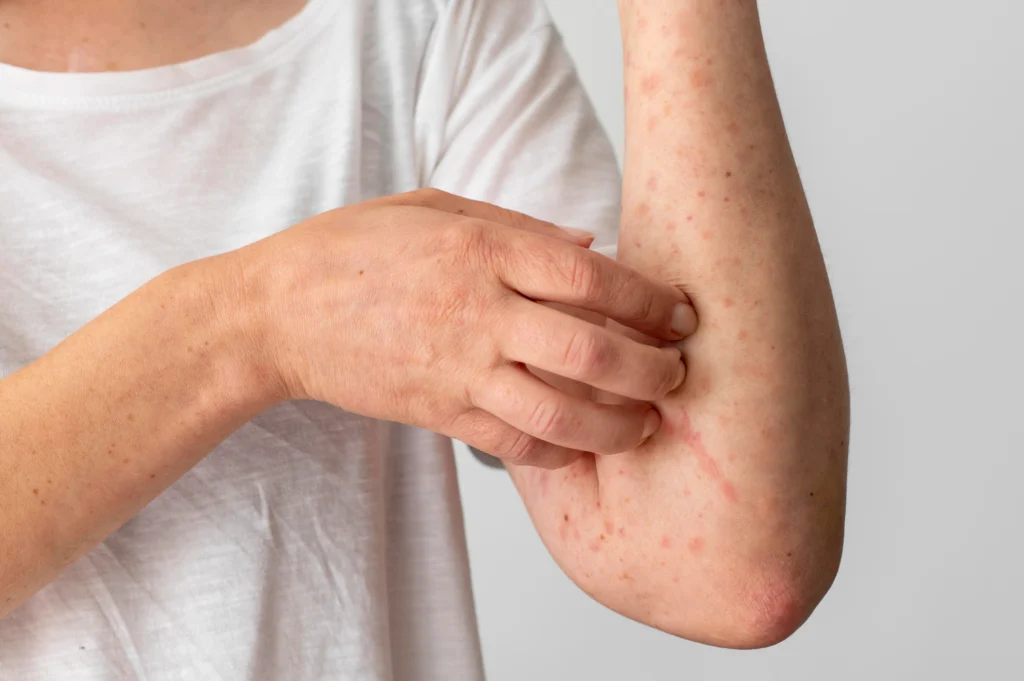
Contact dermatitis is a skin reaction that develops when the skin comes into contact with a substance that causes irritation or triggers an allergic response. It commonly causes an itchy rash, redness, swelling, dryness, or skin irritation at the area exposed to the substance. Contact dermatitis is not contagious and cannot spread from one person to another through normal contact.
Contact dermatitis can develop after exposure to many everyday substances, including soaps, detergents, cosmetics, fragrances, cleaning products, metals, plants, and certain chemicals. Symptoms may appear shortly after exposure or take longer to develop depending on the type of reaction. Identifying and avoiding the substance responsible can help prevent additional irritation and allow the skin to recover, while visiting a Tyler ER may be appropriate if symptoms are severe.
How Does Contact Dermatitis Affect the Skin?
Contact dermatitis causes inflammation in the skin after exposure to a triggering substance. The severity and appearance of the reaction can vary depending on the substance, length of exposure, and sensitivity of the individual’s skin.
Irritant Contact Dermatitis
Irritant contact dermatitis is the most common type and develops when a substance directly irritates or damages the skin. Frequent exposure to water, soaps, detergents, cleaning products, solvents, or other chemicals can weaken the skin’s protective barrier. Symptoms may develop after a single strong exposure or repeated contact with a milder irritant.
Allergic Contact Dermatitis
Allergic contact dermatitis occurs when the immune system reacts to a substance that the person has become sensitive to. Common allergens include certain metals, fragrances, cosmetics, hair dyes, latex, and plants such as poison ivy. The reaction may develop after exposure even if the substance did not cause problems in the past.
Skin Inflammation
Both types of contact dermatitis can cause inflammation at the area where the skin was exposed. The affected skin may become red, swollen, itchy, dry, or painful. In some cases, small fluid-filled blisters can develop, particularly during a stronger reaction.
What Are the Symptoms of Contact Dermatitis?
Contact dermatitis symptoms can vary depending on the cause and severity of the reaction. They usually affect the area of skin that came into contact with the irritant or allergen. Common symptoms include:
- Itching: Itching is one of the most common symptoms and may range from mild irritation to intense discomfort.
- Redness: The affected skin may become red or appear darker than usual depending on the person’s skin tone.
- Rash: A visible rash can develop where the skin has been exposed to the triggering substance.
- Swelling: Inflammation may cause the affected area to become swollen or puffy.
- Dry or cracked skin: Repeated irritation can make the skin dry, rough, flaky, or cracked.
- Burning or tenderness: Irritant contact dermatitis may cause burning, stinging, or tenderness in addition to itching.
- Blisters: More significant reactions can cause small fluid-filled blisters that may eventually break or crust.
- Oozing or crusting: Severe or prolonged irritation can cause affected areas to ooze fluid and develop crusting as they heal.
Symptoms may develop on the hands, face, arms, legs, neck, or other areas that come into direct contact with the substance. The rash may also spread beyond the original area in some cases, particularly with allergic contact dermatitis.
What Can Cause Contact Dermatitis?
Contact dermatitis can be caused by substances that irritate the skin or trigger an allergic immune response. Common causes include:
- Soaps and detergents.
- Cleaning products and disinfectants.
- Cosmetics and skin-care products.
- Fragrances and perfumes.
- Hair dyes and other hair products.
- Metals such as nickel.
- Latex.
- Certain medications applied to the skin.
- Poison ivy and other plants.
- Solvents and industrial chemicals.
Repeated exposure to water, particularly when combined with soaps or cleaning products, can also contribute to irritant contact dermatitis. People who work with chemicals, cleaning products, or other skin irritants may have an increased risk of developing symptoms. If symptoms become severe or rapidly worsen, seek prompt medical care at your nearest emergency room.
Who Is At Risk of Contact Dermatitis?
Anyone can develop contact dermatitis, but certain circumstances may increase the likelihood of experiencing a reaction. Risk factors include:
- Frequent exposure to irritants: Regular contact with soaps, detergents, chemicals, or cleaning products can increase skin irritation.
- Certain occupations: Healthcare workers, cleaners, hairdressers, construction workers, and people who regularly handle chemicals may have increased exposure to potential irritants and allergens.
- Sensitive skin: People with sensitive skin may experience irritation more easily after exposure to certain substances.
- Existing skin conditions: A damaged or weakened skin barrier may make the skin more vulnerable to irritation.
- Repeated allergen exposure: Repeated exposure to substances such as fragrances, metals, or certain plants can lead to allergic sensitization.
- Personal-care products: Cosmetics, perfumes, hair products, and skin-care products may contain ingredients capable of causing irritation or allergic reactions.
How Is Contact Dermatitis Diagnosed?
Contact dermatitis is often diagnosed based on the appearance and location of the rash, the person’s symptoms, and a history of possible exposure to irritants or allergens. A healthcare professional may ask about new soaps, cosmetics, medications, cleaning products, jewelry, plants, or workplace exposures.
If the cause is unclear or allergic contact dermatitis is suspected, patch testing may be used to identify substances that trigger an allergic skin reaction. During patch testing, small amounts of potential allergens are applied to the skin and monitored for a reaction.
Identifying the specific trigger can help determine which substances should be avoided to reduce the likelihood of future reactions.
How Is Contact Dermatitis Treated?
Treatment for contact dermatitis focuses on reducing inflammation, relieving symptoms, and avoiding the substance responsible for the reaction. Mild cases may improve after exposure to the irritant or allergen is stopped, while more severe reactions may require medical treatment.
Common approaches may include:
- Washing the affected skin to remove remaining irritants.
- Avoiding further contact with the suspected substance.
- Applying cool, wet compresses to help soothe irritated skin.
- Using moisturizers to support the skin barrier and reduce dryness.
- Using topical corticosteroids when recommended by a healthcare professional.
- Taking medication to relieve significant itching when appropriate.
- Following medical advice for severe or persistent reactions.
Avoiding the triggering substance is an important part of treatment. Continued exposure can cause the reaction to persist or become worse, particularly when the skin is repeatedly exposed to an irritant.
How Can You Prevent Contact Dermatitis?
Preventing contact dermatitis involves identifying substances that trigger skin reactions and reducing exposure to them. Protecting the skin barrier can also help lower the risk of irritation.
Consider these habits:
- Avoid substances that have previously caused a reaction.
- Wear appropriate protective gloves when handling irritating chemicals.
- Use fragrance-free or gentle skin-care products when appropriate.
- Wash exposed skin promptly after contact with known irritants.
- Moisturize regularly to help maintain the skin’s protective barrier.
- Follow workplace safety recommendations when handling chemicals.
- Avoid touching irritating plants when possible.
- Pay attention to new rashes after starting a new cosmetic, detergent, or personal-care product.
If you repeatedly develop a rash and cannot determine the cause, medical evaluation can help identify possible triggers and appropriate treatment.
When Should You Be Concerned About Contact Dermatitis?
Most cases of contact dermatitis can be managed by avoiding the triggering substance and treating the irritated skin. However, medical evaluation may be necessary when symptoms are severe, persistent, widespread, or difficult to control. If symptoms are concerning or worsening, an ER near me can provide prompt medical evaluation.
You should seek medical attention if you experience:
- A rash that is severe or rapidly worsening.
- Significant swelling.
- Painful or extensive blistering.
- A rash affecting a large portion of the body.
- Symptoms that do not improve after avoiding the suspected trigger.
- Signs of a possible skin infection, such as increasing pain, warmth, swelling, pus, or fever.
- A recurring rash with an unknown cause.
Contact dermatitis around the eyes, mouth, or other sensitive areas may also require medical evaluation, particularly when swelling or other significant symptoms develop.
When To Go To The ER
Most contact dermatitis reactions are not emergencies, but a severe allergic reaction can become life-threatening. Seek emergency medical care if a rash occurs with symptoms that suggest a serious allergic reaction.
Emergency warning signs include:
- Difficulty breathing: Trouble breathing can indicate a severe allergic reaction affecting the airway.
- Swelling of the face or throat: Significant swelling around the lips, tongue, mouth, or throat can interfere with breathing.
- Difficulty swallowing: Problems swallowing may occur when swelling affects the mouth or throat.
- Dizziness or fainting: These symptoms can occur during a severe allergic reaction when blood pressure drops.
- Rapidly worsening symptoms: A reaction that progresses quickly after exposure may require immediate emergency treatment.
- Widespread hives with breathing problems: Hives accompanied by respiratory or circulatory symptoms can be a sign of anaphylaxis.
If severe allergic reaction symptoms develop, call 911 or seek emergency medical care immediately. Do not wait for the reaction to resolve on its own.
Emergency Care for Severe Allergic Skin Reactions
Contact dermatitis usually causes localized skin inflammation and can often be managed by avoiding the substance responsible. However, symptoms such as difficulty breathing, throat swelling, fainting, or rapidly worsening allergic symptoms require emergency evaluation.
Exceptional Emergency Centers professionals can assess the reaction, evaluate breathing and circulation, and provide appropriate treatment for a severe allergic response. Prompt treatment is especially important when symptoms suggest anaphylaxis or another potentially life-threatening reaction.
FAQs
Is contact dermatitis contagious?
No. Contact dermatitis is not contagious and cannot spread from one person to another. The rash develops because of an individual’s reaction to an irritant or allergen rather than an infectious organism.
What does contact dermatitis look like?
Contact dermatitis can cause red or discolored, itchy, swollen, dry, cracked, or irritated skin. More severe reactions may cause blisters, oozing, or crusting. The appearance can vary depending on the person’s skin tone and the severity of the reaction.
What commonly triggers contact dermatitis?
Common triggers include soaps, detergents, cosmetics, fragrances, cleaning products, metals such as nickel, latex, hair dyes, chemicals, and certain plants. The specific trigger varies from person to person.
How long does contact dermatitis last?
The duration depends on the cause, severity, and whether the person continues to be exposed to the triggering substance. Removing the irritant or allergen can allow the skin to begin recovering, while continued exposure may prolong symptoms.
Can contact dermatitis spread?
Contact dermatitis itself does not spread from person to person. However, the rash can appear in additional areas if those areas are also exposed to the triggering substance or if an allergic reaction affects other areas of the skin.
Key Takeaways
- Contact dermatitis is an inflammatory skin reaction caused by direct contact with an irritant or allergen and is not contagious.
- The two main types are irritant contact dermatitis and allergic contact dermatitis, which can cause itching, redness, swelling, dryness, and blisters.
- Common triggers include soaps, detergents, cosmetics, fragrances, metals, latex, cleaning products, chemicals, and certain plants.
- Treatment focuses on avoiding the trigger, protecting the skin, relieving symptoms, and using medications when recommended by a healthcare professional.
- Difficulty breathing, facial or throat swelling, difficulty swallowing, fainting, or rapidly worsening symptoms may indicate a severe allergic reaction requiring immediate emergency care.