
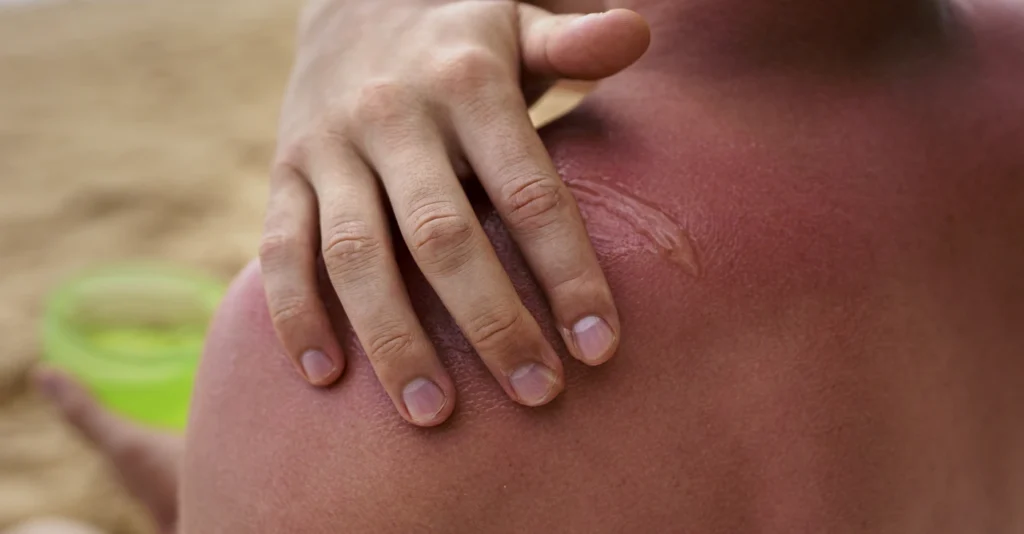
A painful sunburn can make even simple tasks like sleeping, showering, or getting dressed uncomfortable. If you’re searching for how to get rid of sunburn fast, you’re likely looking for quick relief while wondering how long the pain and redness will last. Most mild sunburns begin improving within 3 to 5 days, while moderate to severe sunburns may take 1 to 2 weeks to fully heal, especially if blistering occurs.
Although many sunburns heal at home, severe symptoms should never be ignored. Intense blistering, worsening pain, fever, chills, dizziness, dehydration, confusion, or signs of infection may indicate a more serious condition requiring immediate medical attention. Our emergency room in Beaumont, TX provides timely evaluation and care for severe sunburn-related concerns.
What Causes Sunburn?
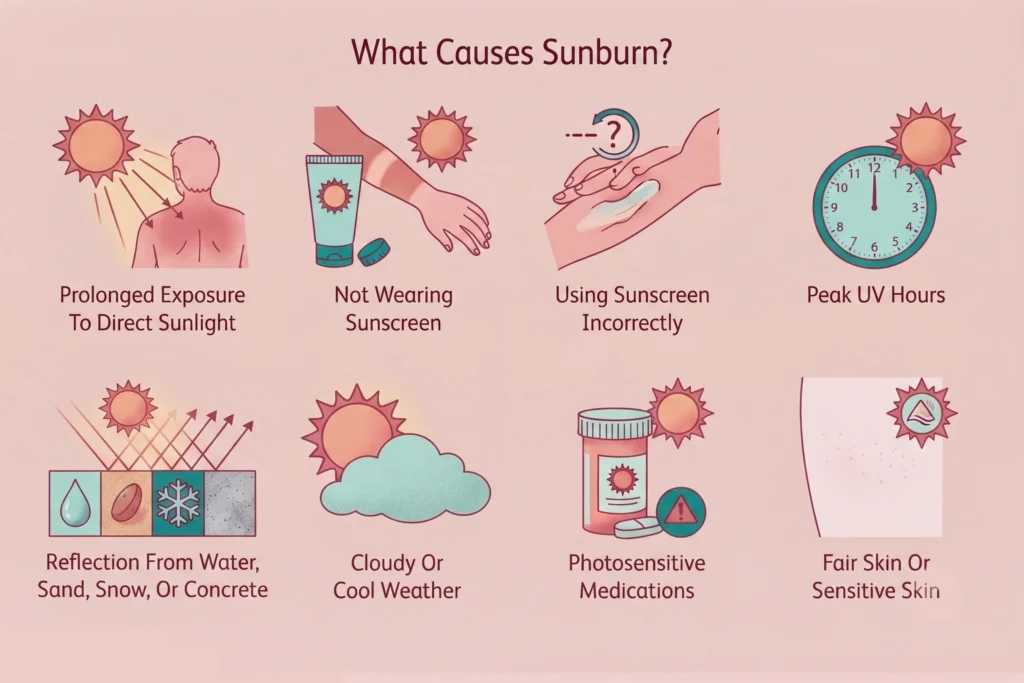
A sunburn happens when your skin is exposed to more ultraviolet (UV) radiation than it can safely handle. The damage may not always be noticeable right away, but symptoms often become more painful over the next several hours. While many people associate sunburn with spending a long day at the beach, it can happen during everyday activities, even when the weather feels cool or cloudy.
Prolonged Exposure To Direct Sunlight
Spending too much time in direct sunlight is the most common cause of sunburn. The longer your skin is exposed to UV rays without sun protection, the greater the damage to skin cells. Even a single afternoon outdoors can cause a painful burn, especially during the middle of the day. Limiting continuous sun exposure can significantly reduce your risk.
Symptoms
- Red or pink skin
- Warm or hot skin
- Pain or tenderness
- Mild swelling
- Skin that feels tight
- Increased sensitivity to touch
Not Wearing Sunscreen
Going outdoors without sunscreen leaves your skin unprotected from harmful UV radiation. Sunscreen helps reduce the amount of UV rays that penetrate the skin, lowering the risk of burns. Forgetting to apply it or choosing not to use it can quickly lead to sunburn, particularly during extended outdoor activities.
Symptoms
- Redness that worsens over several hours
- Burning sensation
- Painful skin
- Dryness
- Tenderness when touched
- Peeling after a few days
Using Sunscreen Incorrectly
Applying too little sunscreen, missing certain areas, or failing to reapply it after swimming or sweating can reduce its effectiveness. Even high-SPF sunscreen cannot provide full protection if it is not used properly. Many people develop sunburn because they believe one application lasts all day.
Symptoms
- Uneven areas of redness
- Burning on exposed skin
- Skin tenderness
- Peeling patches
- Warm skin
- Mild swelling
Peak UV Hours
The sun’s ultraviolet rays are strongest between approximately 10 a.m. and 4 p.m. During these hours, skin can burn much faster than many people expect. Outdoor work, sports, or recreational activities during peak UV hours greatly increase the likelihood of developing a sunburn.
Symptoms
- Rapid skin redness
- Painful burning sensation
- Warm or hot skin
- Swelling
- Skin sensitivity
- Fatigue from prolonged sun exposure
Reflection From Water, Sand, Snow, Or Concrete
Reflective surfaces can bounce UV rays back onto your skin, increasing overall UV exposure. This means you can receive sunlight from above and reflected rays from below at the same time. As a result, people often develop unexpected sunburns even when using shade intermittently.
Symptoms
- Redness on the face and underside of the chin
- Burning sensation
- Skin warmth
- Pain when moving affected areas
- Peeling skin
- Increased skin sensitivity
Cloudy Or Cool Weather
Many people mistakenly believe they cannot get sunburned on cloudy or cool days. However, ultraviolet rays can pass through clouds and still damage the skin. Comfortable temperatures often lead to longer time outdoors, increasing UV exposure without people realizing it.
Symptoms
- Delayed skin redness
- Tender skin
- Mild burning
- Warmth over exposed areas
- Peeling after several days
- Itching during healing
Photosensitive Medications
Certain medications make the skin much more sensitive to sunlight, allowing sunburn to occur after shorter periods of UV exposure. This reaction can be more severe than a typical sunburn and may affect people who normally do not burn easily. If you take prescription medications, review sun exposure precautions with your healthcare provider.
Symptoms
- Severe redness
- Intense burning pain
- Swelling
- Blistering
- Skin tenderness
- Increased sensitivity to sunlight
Fair Skin Or Sensitive Skin
People with fair skin, light-colored eyes, blond or red hair, or naturally sensitive skin have less melanin, the pigment that provides some protection from UV radiation. As a result, their skin burns more quickly than darker skin tones. However, anyone, regardless of skin color, can develop a sunburn after excessive UV exposure.
Symptoms
- Rapid skin redness
- Burning pain
- Warm or hot skin
- Swelling
- Blister formation in severe cases
- Peeling as the skin heals
How Long Does It Take For A Sunburn To Heal?
Waiting for a sunburn to heal can be frustrating, especially when the pain interferes with your daily routine. Healing time depends on the severity of the burn, the amount of skin affected, and how well your skin is cared for afterward. While many sunburns improve without complications, more severe burns can take much longer and may require medical attention.
- Mild Sunburn (3–5 Days): Mild redness, warmth, and tenderness usually begin improving within a few days, with little or no peeling.
- Moderate Sunburn (5–10 Days): Redness, pain, swelling, and peeling may last about a week, although complete healing can take up to 10 days.
- Severe Sunburn (1–2 Weeks Or Longer): Sunburns with extensive blistering, severe pain, or significant swelling often require more time to heal and may need medical evaluation.
- Peeling Phase (3–7 Days After The Burn): Peeling commonly begins several days after the burn as the body sheds damaged skin and replaces it with new skin.
- Skin Color Recovery (Several Weeks): Even after the pain disappears, temporary redness or changes in skin color may take several weeks to completely fade.
- When Healing Takes Longer: If symptoms worsen, blisters become infected, or pain persists beyond two weeks, seek prompt medical care, as delayed healing may indicate complications.
If a sunburn is accompanied by a high fever, seek high fever treatment promptly, as it may indicate a serious heat-related complication or infection requiring medical attention.
When To Go To The ER For A Sunburn
Most sunburns improve with home care, but some can lead to serious complications such as dehydration, heat-related illness, or skin infections. If your symptoms are severe or continue to worsen instead of improving, do not wait to seek medical attention. Prompt evaluation can help prevent complications and provide relief through appropriate treatment.
- Severe blistering covering a large area of your body.
- Fever higher than 103°F (39.4°C).
- Chills or uncontrollable shivering.
- Confusion, difficulty staying awake, or fainting.
- Severe dizziness or persistent weakness.
- Signs of dehydration, including extreme thirst, dry mouth, dark urine, or inability to keep fluids down.
- Severe pain that does not improve with over-the-counter pain relievers.
- Worsening redness, swelling, warmth, pus, or foul-smelling drainage, which may indicate an infection.
- Swelling of the face, lips, or around the eyes.
- Persistent vomiting.
- Difficulty breathing or chest pain.
- Severe headache with neck stiffness or confusion.
If a sunburn is accompanied by a high fever, seek high fever treatment promptly, as it may indicate a serious heat-related complication or infection requiring medical attention.
Sunburn Care At Exceptional Emergency Centers
A painful sunburn can leave you wondering how long does sunburn last, especially if redness, swelling, or blistering continues to worsen. While many sunburns heal on their own, severe burns can lead to dehydration, infection, or heat-related illness requiring prompt medical attention. With a 24/7 emergency room available, our team provides fast evaluation and treatment when symptoms become more serious. Don’t ignore signs that your sunburn is worsening instead of improving.
At Exceptional Emergency Centers, our board-certified emergency physicians are available 24/7 to evaluate and treat severe sunburns. We provide rapid assessment, IV fluids for dehydration, pain management, wound and blister care, and personalized treatment to help relieve symptoms, prevent complications, and support a safe recovery.
Key Takeaways
- Most mild sunburns heal within 3 to 5 days, while moderate to severe burns may take 1 to 2 weeks or longer.
- Prolonged UV exposure, inadequate sun protection, and peak sunlight hours are the most common causes of sunburn.
- Symptoms can include redness, pain, warmth, swelling, blistering, peeling, and itching as the skin heals.
- Keeping the skin cool, hydrated, and protected can support healing and reduce discomfort.
- Severe blistering, high fever, dehydration, confusion, or signs of infection require immediate emergency medical care.
- Early treatment for severe sunburn can help prevent complications and promote faster recovery.
Frequently Asked Questions
How To Treat Sunburn?
Treat a sunburn by cooling the skin with cool (not icy) compresses or showers, staying hydrated, applying a fragrance-free moisturizer or aloe vera gel, and taking over-the-counter pain relievers if appropriate. Avoid picking at peeling skin or popping blisters.
What To Put On Sunburn?
You can apply pure aloe vera gel, a gentle fragrance-free moisturizer, or a cool, damp compress to soothe sunburned skin. Drink plenty of water to stay hydrated, and avoid products containing alcohol or harsh fragrances that can further irritate the skin.
Do Sunburns Turn Into A Tan?
A sunburn does not safely turn into a tan. While some people notice temporary skin darkening after a burn, a sunburn is a sign of UV damage to the skin. Repeated sunburns increase the risk of premature skin aging and skin cancer.
Why Does My Sunburn Itch?
Sunburn often itches because the skin becomes inflamed as it heals. Peeling skin, dryness, and the body’s natural repair process can all contribute to itching, which usually improves as the skin recovers.
Can Eyes Get Sunburned?
Yes. The eyes can become sunburned, a condition called photokeratitis, after exposure to intense ultraviolet (UV) rays. Symptoms may include eye pain, redness, tearing, blurred vision, sensitivity to light, and the feeling that something is in the eye. Seek immediate medical care if you experience severe eye pain or vision changes.
How Long Does Heat Rash Last?
Heat rash usually clears within a few days after the skin is cooled and the cause of sweating is removed. More severe cases may take up to a week or longer to heal, especially if irritation continues.