
Key Takeaways
- Foot swelling can result from temporary factors like long periods of standing, hot or cold weather, or minor injuries.
- Persistent or painful swelling may indicate underlying health conditions such as heart, kidney, or liver problems.
- Treatment depends on the cause and may include rest, leg elevation, compression, hydration, or medications.
- Sudden, severe swelling, or swelling with chest discomfort or breathing difficulties, should prompt a visit to our emergency room in Livingston immediately.
What Causes Feet to Swell?
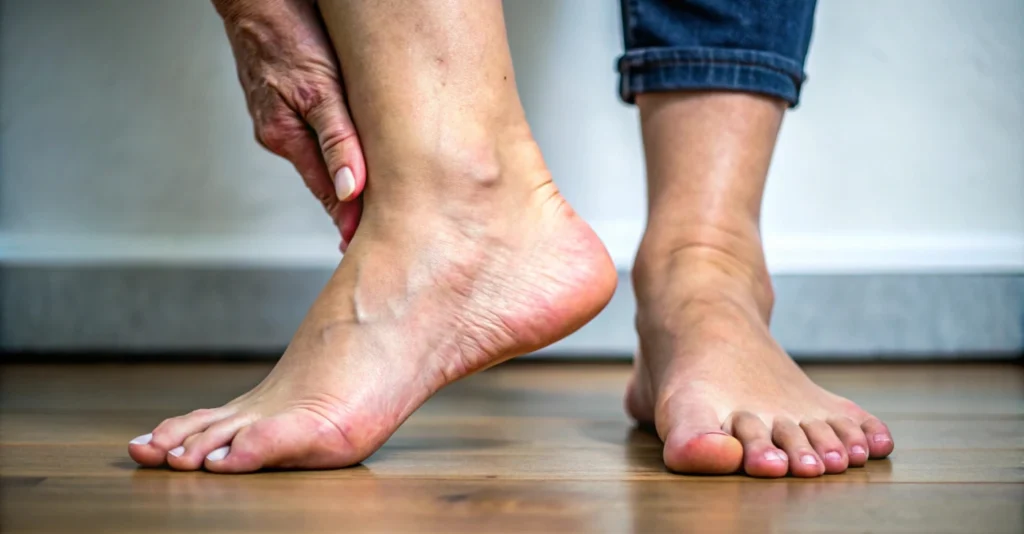
Swelling in the feet develops when fluid or inflammation builds up in the tissues. This can happen due to lifestyle factors, injuries, temperature changes, or medical conditions that affect circulation, the heart, kidneys, or liver. Swelling may appear in one foot, such as a swollen right foot or left foot swelling up, or in both feet and ankles, forming puffy pockets around ankles. Below, we break down each cause in more detail to help you understand why swelling occurs and what can be done about it.
Edema / Fluid Retention
Edema occurs when fluid builds up in tissues, causing swelling in the feet, ankles, or legs. During cold, dry months, reduced circulation and seasonal allergies can worsen swelling and discomfort. Standing on icy or wet surfaces, including puddles or areas frequented by ducks, can lead to temporary puffiness. Reduced activity in winter slows fluid movement in the legs, and barometric pressure changes may subtly increase fluid retention in susceptible individuals.
Treatment for Edema
- Raise feet above heart level during rest.
- Wear warm, supportive socks and shoes.
- Perform gentle leg stretches and ankle rotations.
- Limit sodium intake to prevent fluid buildup.
- Maintain light indoor activity during colder months.
Lifestyle Factors
Extended sitting, standing, or wearing tight shoes can cause fluid pooling in the feet. Swollen ankles often appear after long flights or work shifts. High-salt diets, excess caffeine, and inactivity can further worsen swelling over time. Lifestyle factors can also contribute to long-term vascular issues if not managed properly.
Treatment for Lifestyle-Related Swelling
- Take frequent walking or stretching breaks.
- Elevate feet during rest periods.
- Wear supportive, well-fitted footwear.
- Use compression socks if recommended.
- Reduce caffeine and salt intake for better fluid balance.
Foot or Ankle Injury
Sprains, fractures, and muscle strains trigger swelling due to inflammation. Injured areas may be red, bruised, or tender, and swollen feet can limit mobility. Pain may persist for days or weeks, depending on injury severity. Untreated injuries can lead to chronic swelling or reduced joint function.
Treatment for Foot or Ankle Injury
- Rest and avoid putting weight on the affected foot.
- Apply ice for 15–20 minutes several times a day.
- Use a compression bandage to reduce swelling.
- Elevate the foot above heart level whenever possible.
- Gradual mobility exercises once pain subsides.
Hot Weather
Warm temperatures cause blood vessels to expand, letting fluid accumulate in lower legs. Swollen feet and ankles are common during hot months, and high humidity can make swelling more noticeable during outdoor activities. Dehydration or prolonged exposure to heat can worsen discomfort and fluid retention.
Treatment for Heat-Related Swelling
- Elevate feet while resting.
- Drink plenty of water to stay hydrated.
- Avoid standing in hot areas for extended periods.
- Move regularly to encourage circulation.
- Take cool foot baths or apply cold compresses for relief.
Pregnancy
Hormonal changes and increased blood volume can cause feet swelling during pregnancy, particularly in the third trimester. Swelling is often more pronounced in the evening, and pressure on leg veins can aggravate the condition. Some women may also notice swelling in hands or face, which can indicate more serious complications.
Pregnancy-Related Swelling Treatment
- Elevate feet during rest.
- Avoid long periods of standing.
- Wear supportive shoes or maternity compression stockings.
- Perform gentle foot and ankle exercises.
- Reduce salt intake and drink sufficient water.
Preeclampsia
Preeclampsia is a pregnancy complication marked by high blood pressure and swelling of the feet and ankles. Symptoms include headaches, vision changes, and protein in urine. It can develop suddenly and is more common in first-time pregnancies or those with pre-existing hypertension.
Treatment for Preeclampsia
- Monitor blood pressure and swelling closely.
- Rest and elevate feet whenever possible.
- Stay hydrated and maintain a balanced diet.
- Avoid prolonged standing or heavy physical activity.
Venous Insufficiency
When veins fail to efficiently return blood to the heart, fluid pools in the legs, causing puffy pockets around ankles, aching, or discoloration. Obesity, sedentary behavior, and genetics increase risk. In a U.S. population, the prevalence of Chronic Venous Insufficiency (which often causes swelling in feet/ankles) is estimated at 10%–35% of adults.
Treatment for Venous Insufficiency
- Wear compression stockings.
- Perform regular leg exercises and walks.
- Avoid prolonged sitting or standing.
- Elevate legs while resting.
- Maintain a healthy weight.
Heart Disease
Heart conditions like heart failure can cause fluid buildup in the lower extremities. Swollen feet may occur with fatigue, shortness of breath, or rapid weight gain. Fluid retention may worsen in the evenings or after activity, signaling worsening cardiac function.
Treatment for Heart Disease-Related Swelling
- Take prescribed medications consistently.
- Limit salt and fluid intake.
- Elevate feet during rest.
- Track weight and swelling daily.
- Light, safe physical activity to support circulation.
Kidney Failure
Kidney issues can impair fluid filtration, causing swelling in feet, hands, or face. Swelling may worsen gradually, signaling worsening kidney function. People with diabetes, high blood pressure, or pre-existing kidney conditions are more susceptible. Poor kidney function may also lead to fatigue, high blood pressure, and urinary changes.
Treatment for Kidney-Related Swelling
- Adjust diet to manage salt and fluid intake to reduce swelling.
- Elevate legs while resting.
- Monitor daily weight and swelling.
- Maintain a balanced diet.
- Gentle leg movement to aid circulation.
Liver Disease
Liver disease reduces protein levels in the blood, causing fluid leakage into tissues and swelling in feet and ankles. Swelling may be accompanied by abdominal bloating, fatigue, or discomfort. Chronic liver conditions can lead to progressive edema and increased risk of complications if untreated.
Treatment for Liver-Related Swelling
- Follow dietary and medical guidance.
- Avoid alcohol and liver-damaging substances.
- Elevate legs and wear compression socks.
- Maintain regular physical activity as tolerated.
Side Effects of Medication
Certain medications, including steroids, hormone therapy, and blood pressure drugs, can lead to foot swelling. Swelling may develop gradually and involve one or both feet. Elderly individuals or those on multiple medications may be more prone to medication-related edema.
Treatment for Medication-Related Swelling
- Discuss alternatives or dosage adjustments with your physician.
- Elevate feet during rest periods.
- Monitor swelling trends.
- Wear supportive footwear or compression socks.
- Avoid prolonged sitting or standing when possible.
Blood Clot (DVT)
A blood clot in the leg, or deep vein thrombosis, blocks circulation, causing sudden swelling in one leg, sometimes a swollen right foot or left foot swells up. Risk is higher in immobile individuals, post-surgery patients, or those with clotting disorders. Untreated clots can travel to the lungs, causing a life-threatening pulmonary embolism.
Treatment for Blood Clot
- Elevate the affected leg during rest.
- Follow your physician’s prescribed treatment plan.
- Use compression stockings if recommended.
- Avoid prolonged immobility.
- Gentle, doctor-approved movement to improve circulation.
When Is It an Emergency?
While most foot swelling is mild, certain signs can indicate a serious medical issue that requires urgent attention. Seek immediate care if you notice:
- Sudden or severe swelling in one or both feet.
- Swelling with chest pain, shortness of breath, or dizziness.
- One leg or foot swelling with redness, warmth, or pain.
- Swelling with fever, chills, or an open wound.
- Pregnancy-related sudden swelling with headaches, visual changes, or high blood pressure.
- Persistent swelling that doesn’t improve with rest, elevation, or feet swelling treatment.
If you experience any of these symptoms, contact the Exceptional Emergency Centers immediately for prompt medical attention.
When to Seek Emergency Care for Swollen Feet
Swelling in the feet can range from mild, temporary discomfort to a sign of a serious underlying health condition. Persistent or sudden swelling, especially when accompanied by pain, redness, warmth, or shortness of breath, should never be ignored. Early evaluation is crucial to determine the cause, manage symptoms, and prevent potential complications.
At Exceptional Emergency Centers, our skilled team provides comprehensive emergency care for individuals experiencing foot swelling and related concerns. We offer rapid assessment, accurate diagnosis, and personalized treatment plans to relieve discomfort and improve overall well-being. With expert care available, you can address swelling safely and maintain mobility, comfort, and confidence in your daily life.