
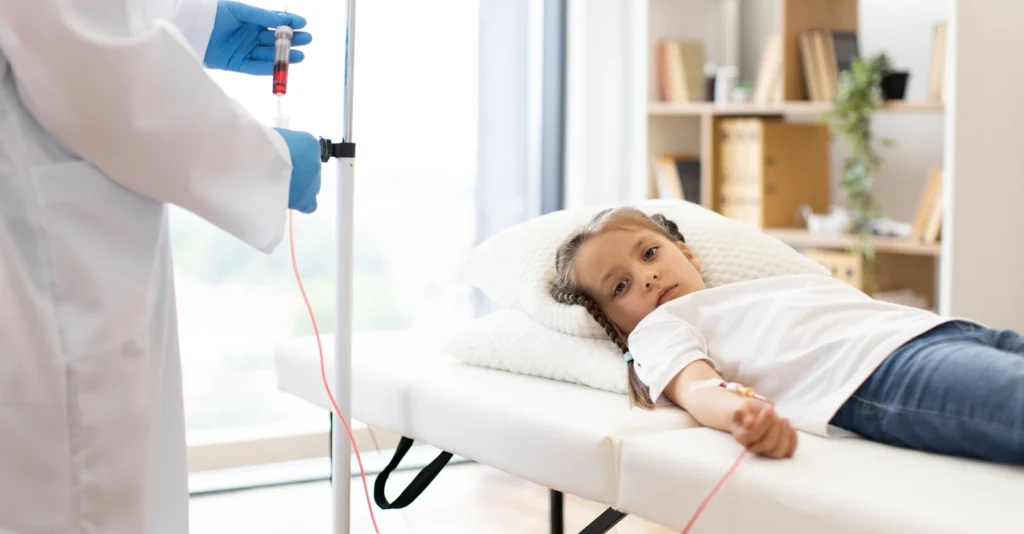
Watching your child struggle to breathe through a stuffy nose or seeing an older loved one develop a persistent cough can be worrying. RSV is often mistaken for a common cold, but in some people, it can quickly become much more serious.
Respiratory Syncytial Virus (RSV) is a highly contagious virus that infects the nose, throat, and lungs. While many healthy adults recover within one to two weeks, infants, older adults, and people with weakened immune systems are at higher risk of severe illness. Recognizing the symptoms early and seeking medical care when breathing problems develop can help prevent serious complications. If severe symptoms develop, our Beaumont ER provides 24/7 emergency care for patients with RSV and other serious respiratory illnesses.
What Causes RSV?
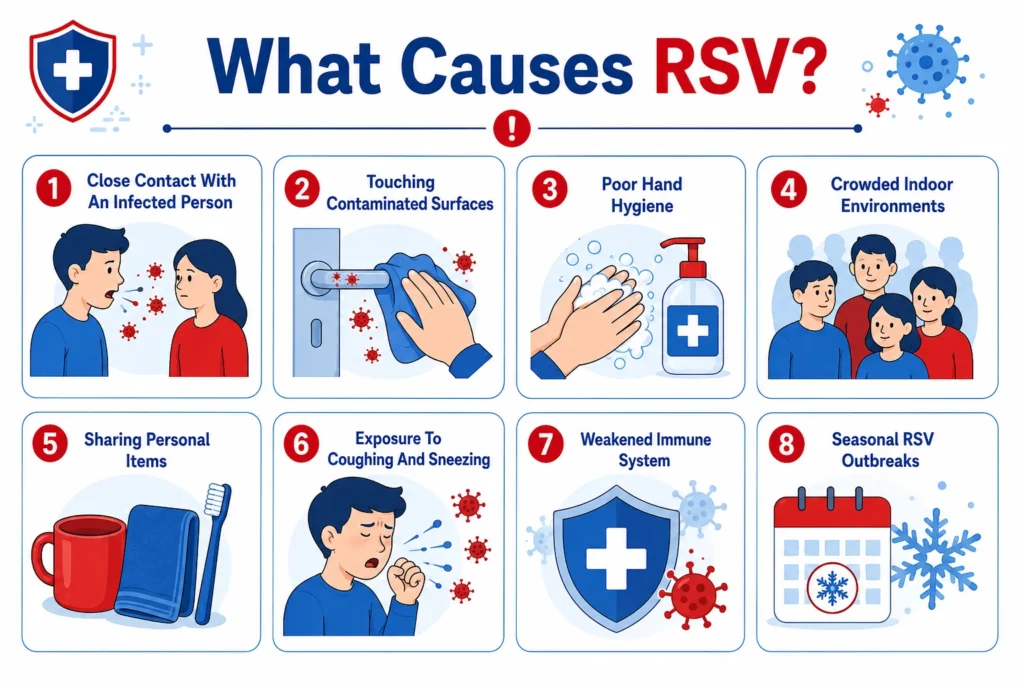
RSV spreads very easily from person to person and is one of the most common viral infections affecting the respiratory system. Many people become infected after routine daily interactions without realizing someone nearby is contagious. Understanding how RSV spreads can help you reduce your risk and protect vulnerable family members. Below are the most common ways the virus is transmitted.
Close Contact With An Infected Person
RSV spreads through respiratory droplets released when an infected person coughs, sneezes, talks, or breathes closely around others. Even people with mild symptoms can pass the virus before they realize they are sick. Close household contact is one of the most common sources of infection.
Touching Contaminated Surfaces
The virus can survive for several hours on frequently touched objects such as doorknobs, toys, countertops, phones, and tables. Touching these contaminated surfaces and then rubbing your eyes, nose, or mouth allows RSV to enter your body. Regular cleaning and hand hygiene reduce this risk.
Poor Hand Hygiene
Hands easily pick up RSV after touching contaminated objects or caring for someone who is infected. Without washing your hands thoroughly, the virus can spread to your face or to other people. Frequent handwashing with soap remains one of the most effective prevention strategies.
Crowded Indoor Environments
Schools, daycare centers, nursing homes, public transportation, and other crowded indoor spaces make it easier for RSV to spread. Close contact between many people increases the chance of exposure. Seasonal outbreaks commonly occur in these settings.
Sharing Personal Items
Sharing cups, utensils, towels, bottles, pacifiers, or other personal items with someone who has RSV can transfer respiratory secretions. Although indirect, this route contributes to household transmission. Avoid sharing these items during illness.
Exposure To Coughing And Sneezing
Respiratory droplets can travel a short distance through the air when someone coughs or sneezes nearby. Standing close to an infected person increases the likelihood of inhaling virus-containing droplets. Covering coughs and maintaining distance when possible helps reduce spread.
Weakened Immune System
People with weakened immune systems are more likely to become infected after exposure because their bodies cannot fight viruses as effectively. Cancer treatments, organ transplants, immune disorders, and certain medications increase susceptibility. These individuals may also experience more severe disease.
Seasonal RSV Outbreaks
RSV infections are most common during the fall and winter months in many regions. Increased indoor gatherings and seasonal circulation allow the virus to spread rapidly throughout communities. Being aware of RSV season helps families take preventive precautions.
Dangerous RSV Symptoms
Most RSV infections cause mild cold-like symptoms, but the illness can sometimes progress to severe lower respiratory tract infections such as bronchiolitis or pneumonia. Young infants, adults over 65, and people with chronic heart or lung disease are especially vulnerable.
According to the National Institutes of Health (NIH), approximately 2–3% of infants younger than 6 months with RSV require hospitalization, highlighting the importance of recognizing warning signs early.
- Difficulty breathing or rapid breathing.
- Wheezing or persistent coughing.
- Blue lips, fingertips, or face (cyanosis).
- Chest pulling inward with each breath (retractions).
- High fever that does not improve.
- Extreme tiredness or difficulty waking.
- Refusing to eat or drink.
- Signs of dehydration, including fewer wet diapers or dry mouth.
If these symptoms become severe or breathing difficulties worsen, visit an ER for respiratory infection to receive prompt evaluation and treatment before complications develop.
RSV Test
Many RSV infections can be diagnosed based on symptoms and a physical examination, especially during RSV season. However, laboratory testing may be recommended for infants, older adults, hospitalized patients, or individuals with severe symptoms to confirm the infection and guide treatment decisions. Several reliable diagnostic tests are available depending on the patient’s age and condition.
- Rapid Antigen Test: This nasal swab test detects RSV proteins within a short time. It is commonly used in children because it provides quick results and helps identify active infection.
- PCR (Polymerase Chain Reaction) Test: PCR testing detects RSV genetic material with high accuracy. It is considered one of the most sensitive tests and is widely used in hospitals and emergency departments.
- Nasal Swab Or Nasopharyngeal Sample: A healthcare provider collects mucus from the nose or the back of the nose using a sterile swab. The sample is then analyzed to identify RSV.
- Multiplex Respiratory Viral Panel: This advanced laboratory test checks for RSV along with influenza, COVID-19, and other respiratory viruses simultaneously. It is helpful when symptoms overlap.
- Chest X-Ray: If pneumonia or severe lung involvement is suspected, a chest X-ray may be performed to evaluate the lungs and identify complications.
- Pulse Oximetry: A painless sensor placed on the finger measures blood oxygen levels. Low oxygen saturation may indicate severe RSV requiring urgent medical attention.
When To Go To The ER
Although many RSV infections improve with supportive care at home, severe symptoms should never be ignored. Difficulty breathing, dehydration, or signs of low oxygen can become life-threatening, especially in infants, older adults, and people with underlying medical conditions. Seek emergency medical care immediately if you notice any of the following:
- Severe difficulty breathing or gasping for air.
- Blue lips, tongue, or fingernails.
- Chest retractions or struggling to breathe.
- Oxygen levels that are low, if measured at home.
- Persistent high fever with worsening symptoms.
- Extreme sleepiness, confusion, or difficulty waking.
- Refusal to feed or drink fluids.
- Signs of severe dehydration.
- Seizures or unresponsiveness.
- Symptoms that rapidly worsen despite home care.
If you notice any of these warning signs, head to the closest emergency room near me as quickly as possible to receive immediate medical care.
RSV Treatment
There is no single cure that eliminates RSV, and treatment focuses on relieving symptoms while supporting the body’s recovery. Most healthy individuals recover with rest and supportive care, but severe infections may require hospital treatment. The appropriate treatment depends on the patient’s age, overall health, and the severity of the illness.
Rest And Recovery
Getting adequate rest allows the immune system to fight the virus more effectively. Reducing physical activity helps conserve energy during illness. Most mild RSV infections improve within one to two weeks with proper rest.
Staying Hydrated
Fever, rapid breathing, and poor appetite can increase the risk of dehydration. Drinking plenty of water, breast milk, formula, or oral rehydration solutions helps replace lost fluids. Hospital IV fluids may be necessary for severe dehydration.
Fever And Pain Relief
Acetaminophen or ibuprofen (when appropriate for age) may help reduce fever and relieve discomfort. These medications should only be used according to healthcare provider recommendations. Aspirin should never be given to children with viral illnesses.
Nasal Saline Drops And Suctioning
Saline nasal drops loosen thick mucus, making it easier to remove with gentle suction. This treatment is especially helpful for infants who have difficulty feeding because of nasal congestion. Clearing the nose can also improve breathing.
Oxygen Therapy
Patients with low oxygen levels may require supplemental oxygen in the emergency department or hospital. Oxygen therapy helps maintain adequate oxygen delivery throughout the body. It is commonly used for severe RSV infections.
Intravenous (IV) Fluids
Some patients become too dehydrated or too sick to drink enough fluids. IV fluids restore hydration and maintain electrolyte balance until oral intake improves. This treatment is frequently used in hospitalized infants.
Mechanical Ventilation
In rare, life-threatening cases, severe RSV can lead to respiratory failure requiring a ventilator. Mechanical ventilation supports breathing while the lungs recover. This treatment is reserved for critically ill patients in intensive care.
Treatment Of Underlying Complications
If RSV leads to complications such as bacterial pneumonia or worsening chronic lung disease, additional treatments may be necessary. Healthcare providers tailor management based on the patient’s condition and any underlying medical problems. Early medical evaluation improves outcomes.
RSV Care At Exceptional Emergency Centers
RSV can range from a mild cold to a serious respiratory infection that requires immediate medical attention, especially for infants, older adults, and people with weakened immune systems. If you’re experiencing difficulty breathing, persistent high fever, dehydration, or worsening RSV symptoms, don’t wait to seek emergency care. Visit our 24/7 emergency room, where our experienced emergency physicians are ready to provide rapid evaluation and treatment whenever you need it.
At Exceptional Emergency Centers, our board-certified emergency physicians are available 24/7 to evaluate and treat respiratory illnesses with prompt, compassionate care. We provide rapid diagnostic testing, oxygen therapy, IV fluids, breathing support when needed, and personalized treatment to help you recover safely and reduce the risk of serious complications.
Key Takeaways
- RSV is a contagious virus that infects the nose, throat, and lungs.
- Symptoms include cough, fever, congestion, wheezing, and difficulty breathing.
- Infants, older adults, and people with weakened immune systems are at higher risk of severe illness.
- RSV spreads through respiratory droplets, close contact, and contaminated surfaces.
- Seek emergency care for severe breathing problems, dehydration, or worsening symptoms.
Frequently Asked Questions
How Long Is RSV Contagious?
Most people with RSV are contagious for 3–8 days. However, infants and people with weakened immune systems may continue spreading the virus for up to 4 weeks, even after symptoms begin to improve.
How Long Does RSV Last?
Most RSV infections resolve within 1–2 weeks. A cough may linger for several weeks, while severe infections, especially in infants or older adults, can take longer to recover.
Can Adults Get RSV?
Yes. Adults can get RSV, and while it often causes mild cold-like symptoms, older adults and those with chronic heart or lung disease or weakened immune systems are at greater risk of severe illness.
How Long Does The RSV Vaccine Last?
Current RSV vaccines provide protection for at least one RSV season (about 4–6 months). Protection gradually decreases over time, and recommendations for future booster doses may change as more research becomes available.
How Is RSV Spread?
RSV spreads through respiratory droplets released when an infected person coughs or sneezes, by close personal contact, and by touching contaminated surfaces and then touching your eyes, nose, or mouth. Frequent handwashing and avoiding close contact with sick individuals help reduce the risk of infection.