
Key Takeaways
- Lower back pain can result from a variety of factors, including muscle strain, disc problems, and age-related changes.
- Poor posture, sedentary lifestyle, obesity, and repetitive movements contribute to spinal stress.
- Symptoms range from mild stiffness to severe pain that limits mobility.
- Proper diagnosis and treatment, like physical therapy, doctor-recommended medications, and lifestyle adjustments, can significantly improve quality of life.
- In some cases, urgent evaluation at our Tyler emergency room may be necessary if certain “red flag” symptoms appear.
Understanding Lower Back Pain
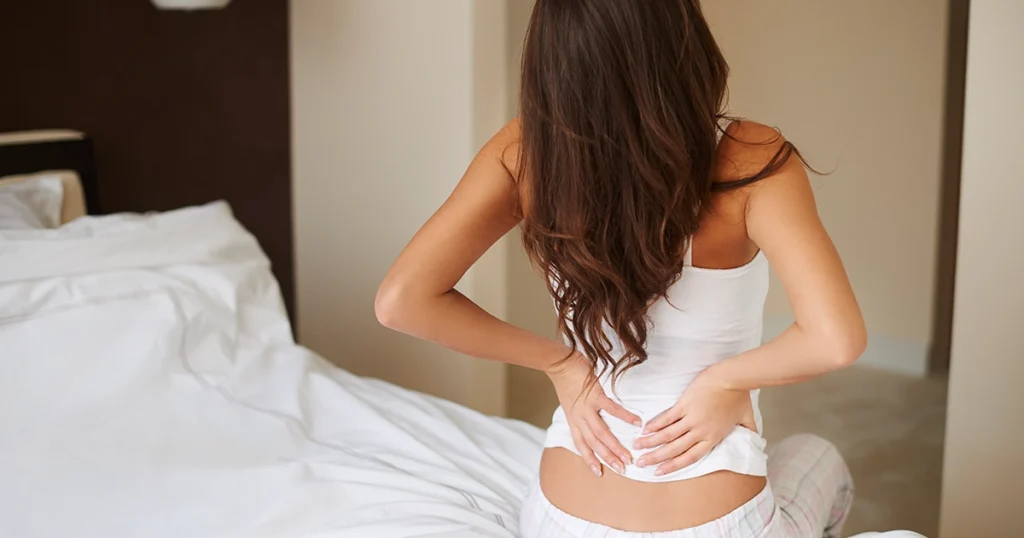
Lower back pain refers to discomfort or pain felt between the lower edge of the ribs and the buttocks. It is one of the most common health complaints worldwide and can range from a mild, dull ache to sharp, debilitating pain that limits daily activities.
Most lower back pain is non‑specific, meaning a precise structural cause cannot always be identified even after medical evaluation. It often involves musculoskeletal strain, nerve irritation, or age‑related changes. Up to 23% of adults worldwide experience chronic low back pain lasting three months or longer.
Lower Back Pain Symptoms
- Persistent aching or stiffness in the lower back.
- Sharp or stabbing pain during movement.
- Pain that radiates down the hips, buttocks, or legs.
- Muscle spasms or tightness.
- Limited range of motion or difficulty standing upright.
Lower Back Pain Causes
Lower back pain arises from a combination of mechanical, biological, and lifestyle factors. It can result from muscle strain, disc issues, degenerative changes, or underlying medical conditions. Without proper care, it can interfere with daily life and sometimes become chronic.
Muscle Strain and Ligament Sprain
Lower back muscles and ligaments can become overstretched or torn due to sudden movements, heavy lifting, or repetitive strain. This injury often causes localized pain, stiffness, and inflammation. Most cases improve with rest and proper rehabilitation. The risk increases when muscles are fatigued, weak, or previously injured.
Treatment
- Rest and activity modification.
- Physical therapy to strengthen muscles and improve flexibility.
- NSAIDs (as recommended by a doctor) for pain and inflammation relief.
Herniated Or Bulging Disc
A herniated or bulging disc occurs when the inner disc material pushes through the outer layer, potentially compressing nearby nerves. This can trigger sharp lower back pain, tingling, numbness, or radiating leg pain (sciatica). It often develops gradually due to age-related disc degeneration or sudden excessive pressure on the spine.
Treatment
- Physical therapy to reduce nerve pressure.
- NSAIDs or muscle relaxants (as recommended by a doctor).
- Epidural steroid injections for severe nerve irritation.
Degenerative Disc Disease
Age-related changes can cause spinal discs to lose water and elasticity, reducing their cushioning ability. This can result in stiffness, chronic discomfort, and a higher risk of injury. Maintaining spinal strength and flexibility is key to managing symptoms. Disc wear is often accelerated by repetitive spinal loading, poor posture, or previous injuries.
Treatment
- Structured exercise programs for strength and mobility.
- Posture correction and weight management.
- Pain management medications (as recommended by a doctor).
Spinal Stenosis
Spinal stenosis occurs when the spinal canal narrows, compressing spinal nerves. It can cause pain, numbness, or leg weakness, often worsening with walking or standing. Early diagnosis and treatment improve function and reduce discomfort. This narrowing is commonly caused by arthritis, disc degeneration, or congenital spine abnormalities.
Treatment
- Physical therapy to strengthen supporting muscles and improve posture.
- NSAIDs (as recommended by a doctor).
- Surgical decompression for severe cases.
Sciatica (Nerve Compression)
Sciatica results from irritation or compression of the sciatic nerve, often due to a herniated disc. It produces sharp, shooting pain radiating from the lower back to the legs, sometimes with numbness or tingling. Relieving nerve pressure and inflammation is essential. Nerve compression may also result from bone spurs, spinal stenosis, or traumatic injury.
Treatment
- Stretching and nerve mobilization exercises.
- NSAIDs or gabapentinoids (doctor-recommended).
- Activity modification.
Poor Posture & Sedentary Lifestyle
Prolonged sitting and poor posture strain spinal muscles and weaken core support, increasing the risk of chronic lower back pain. Regular movement and posture correction can prevent worsening pain and improve spinal health. Sustained poor alignment places uneven pressure on discs and joints, contributing to structural stress over time.
Treatment
- Ergonomic adjustments at work and home.
- Frequent movement breaks.
- Core-strengthening exercises.
Also Read: Working from Home Increases Risk of Back Pain
Obesity And Excess Weight
Excess body weight increases stress on the spine and surrounding muscles, accelerating wear and tear. This contributes to chronic low back pain and degenerative changes. Weight management plays a critical role in long-term relief. Extra weight, especially around the abdomen, shifts the body’s center of gravity, increasing lumbar spine stress.
Treatment
- Tailored diet and exercise plan for weight reduction.
- Low-impact activities like walking and swimming.
- Physical therapy to improve strength and mobility.
Arthritis And Degenerative Joint Disease
Inflammatory and degenerative changes in spinal joints, such as osteoarthritis, can lead to stiffness, pain, and limited mobility. Early management with therapy and lifestyle adjustments can help maintain function and reduce discomfort.
Treatment
- Anti-inflammatory medications (as recommended by a doctor).
- Physical therapy to maintain joint mobility.
- Lifestyle modifications to reduce stress on the spine.
When To Seek Emergency Care For Lower Back Pain?
Most lower back pain improves with conservative care, but some symptoms may indicate a serious underlying condition requiring immediate medical attention. If accompanied by neurological deficits, fever, or loss of bowel/bladder control, urgent evaluation is critical.
- Sudden loss of bowel or bladder control.
- Severe weakness or numbness in one or both legs.
- Fever with back pain (possible infection).
- History of cancer with new severe back pain.
- Pain following major trauma or a fall.
If any of these occur, contact the Exceptional Emergency Centers for more information on what to expect and where to go for urgent care.
Is Walking Good For Lower Back Pain?
Yes, walking is highly beneficial for lower back pain, particularly in chronic cases. Regular walking improves circulation, strengthens supporting muscles, reduces stiffness, and promotes overall spinal health. Studies suggest that consistent walking can lower the risk of recurring back pain episodes.
How To Sleep With Lower Back Pain
Sleeping with lower back pain can be challenging, as discomfort makes finding a comfortable position difficult. Proper support can reduce spinal stress, improve sleep quality, and help relieve pain flare-ups. Using supportive pillows and maintaining correct posture enhances rest and recovery.
- Side Sleeping With Pillow Support: Place a pillow between your knees to align the spine and reduce stress.
- Back Sleeping With Knee Support: Use a pillow under the knees to maintain natural lumbar curvature.
- Avoid Stomach Sleeping: This position increases spinal strain and may worsen pain.
- Supportive Mattress: A medium-firm mattress provides optimal spinal support without pressure points.
Stretches For Lower Back Pain
Stretching helps relieve muscle tightness, improve flexibility, and support recovery. Tight muscles can limit motion and create imbalances that prolong pain. Consistent, safe stretching improves comfort and mobility.
- Knee-to-Chest Stretch: Pull one knee toward your chest while lying on your back to stretch lower back and hip muscles.
- Cat-Cow Stretch: On hands and knees, alternate arching and rounding your back to enhance spinal mobility.
- Child’s Pose: Kneel and stretch arms forward, lowering your chest to elongate the spine and relax muscles.
- Piriformis Stretch: Cross one ankle over the opposite knee and gently pull legs toward the chest to relieve sciatic nerve tension.
- Seated Spinal Twist: Sit and twist your torso gently to increase flexibility and relieve stiffness.
Exceptional Emergency Centers For Lower Back Pain Emergency Care
Lower back pain can range from mild discomfort to severe, debilitating pain that limits daily activities. At Exceptional Emergency Centers, our experienced medical team provides rapid assessment, accurate diagnosis, and personalized treatment to help patients regain mobility safely. Seeking prompt emergency care ensures that serious conditions are not overlooked and pain is managed effectively.
Understanding what causes lower back pain is key to proper management and prevention of future episodes. Our centers offer 24/7 emergency care, tailored treatment plans, and expert guidance to help patients recover quickly while minimizing the risk of chronic complications. Timely intervention can make a significant difference for adults of all ages, especially those with preexisting conditions or a sudden onset of severe pain.