
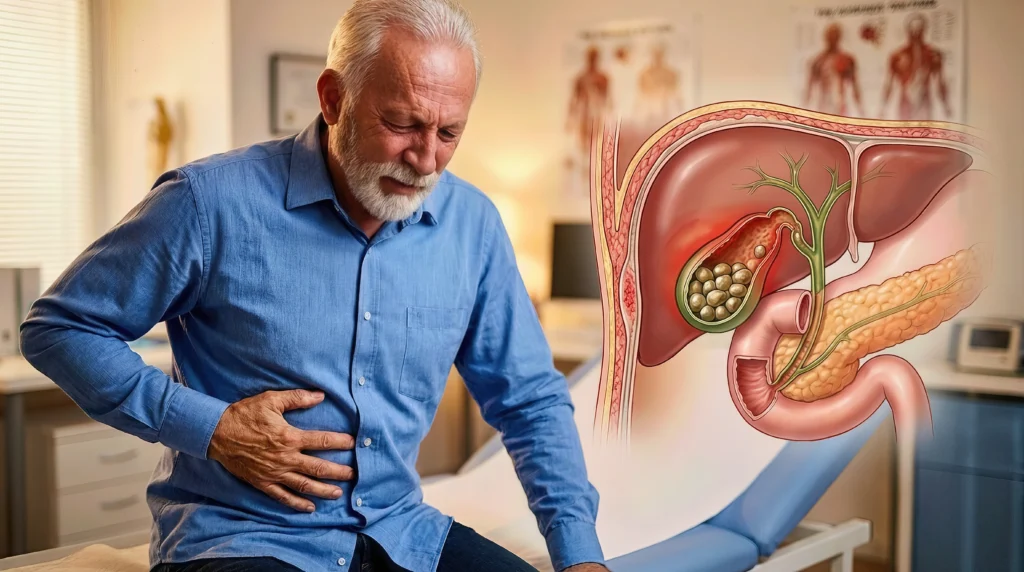
Pancreatitis occurs when the pancreas becomes inflamed. It can develop suddenly as acute pancreatitis or continue over time as chronic pancreatitis. Gallstones and heavy alcohol use are among the most common causes, but certain medications, genetic conditions, high blood fats, infections, injuries, and other health conditions can also contribute.
Because pancreatitis can sometimes become serious, understanding what causes it and recognizing its warning signs can help you know when medical evaluation is needed. If you experience severe or persistent abdominal pain and need prompt evaluation, emergency rooms in Orange County can provide emergency medical care.
What Is Pancreatitis?
The pancreas is an organ located behind the stomach that plays an important role in digestion and blood sugar regulation. It produces digestive enzymes and hormones such as insulin. Pancreatitis develops when the pancreas becomes inflamed, and the condition can be either acute or chronic.
Acute pancreatitis develops suddenly and may improve within several days with treatment. Chronic pancreatitis is a long-term condition that can cause lasting damage to the pancreas over time.
Common Causes of Pancreatitis
There are several possible causes of pancreatitis. Some are common, while others are less frequent. When abdominal pain is severe, persistent, or accompanied by other concerning symptoms, evaluation at an ER for abdominal pain may help determine whether pancreatitis or another condition is responsible.
Gallstones
Gallstones are the most common cause of acute pancreatitis. A gallstone can move into and block a bile or pancreatic duct, interfering with the normal flow of digestive fluids and triggering inflammation in the pancreas.
Heavy Alcohol Use
Heavy alcohol use is another major cause of pancreatitis and is particularly associated with chronic pancreatitis. Repeated alcohol-related inflammation can damage the pancreas over time and contribute to long-term problems.
Certain Medications
Some medications can contribute to pancreatitis. The specific medicines associated with the condition vary, so it is important to tell a healthcare professional about all prescription medicines, over-the-counter medications, and supplements you take.
High Triglycerides
Very high levels of triglycerides, a type of fat found in the blood, can increase the risk of pancreatitis. Blood tests may help identify elevated lipid levels when healthcare professionals are evaluating possible causes.
High Calcium Levels
High levels of calcium in the blood can also contribute to pancreatitis. When the cause is unclear, healthcare professionals may use blood tests and other diagnostic methods to look for underlying conditions.
Genetic Conditions
Certain genetic disorders affecting the pancreas can increase the risk of pancreatitis. A family history of pancreatitis may also be relevant when healthcare professionals are determining why someone has developed the condition.
Infections
Some infections, including certain viral or parasitic infections, can cause pancreatitis. These causes are less common than gallstones and heavy alcohol use but may still be considered during an evaluation.
Abdominal Injury
An injury to the abdomen can damage the pancreas and lead to inflammation. Pancreatic injury can occur after certain accidents, trauma, or procedures involving the abdomen.
Pancreatic Cancer and Other Conditions
Pancreatic cancer and certain other conditions can sometimes contribute to pancreatitis. Blockages involving the pancreatic or bile ducts can also interfere with normal drainage and cause inflammation.
ERCP and Other Procedures
A procedure called endoscopic retrograde cholangiopancreatography, or ERCP, is used to diagnose and treat certain problems involving the bile and pancreatic ducts. Pancreatitis can occur as a complication of this procedure.
What Causes Acute Pancreatitis?
Acute pancreatitis develops suddenly and is often associated with gallstones or heavy alcohol use. Other possible causes include certain medications, abdominal injuries, high triglycerides, high calcium levels, infections, and some other medical conditions.
The cause matters because treating the underlying problem may be an important part of managing pancreatitis. For example, gallstone-related pancreatitis may require treatment directed at the gallstones.
What Causes Chronic Pancreatitis?
Chronic pancreatitis is a long-term form of pancreatic inflammation that can cause permanent damage. Heavy alcohol use and genetic disorders are among its most common causes. Other possible causes include blocked pancreatic ducts and high levels of blood fats or calcium.
In some cases, healthcare professionals cannot identify a specific cause. This is known as idiopathic pancreatitis.
Symptoms of Pancreatitis
The main symptom of pancreatitis is pain in the upper abdomen, which may spread to the back. Other symptoms can vary depending on whether the condition is acute or chronic.
Common symptoms may include:
- Upper abdominal pain.
- Pain that spreads to the back.
- Nausea and vomiting.
- Fever or chills.
- Fast heartbeat.
- Abdominal tenderness or swelling.
Chronic pancreatitis may also cause diarrhea, greasy or foul-smelling stools, vomiting, and unintended weight loss.
Immediate Care for Pancreatitis Symptoms
Pancreatitis can range from a short-term episode to a long-term condition that causes lasting pancreatic damage. Recognizing symptoms early and getting appropriate medical attention can help address the condition and its underlying cause.
If you have severe abdominal pain, persistent vomiting, fever, jaundice, or other concerning symptoms, seek emergency medical care rather than waiting for the symptoms to worsen.
When To Go To The ER
Severe or worsening abdominal pain should not be ignored, particularly when it occurs with other symptoms. Acute pancreatitis is a serious condition that may require hospital treatment. Other causes of severe abdominal pain, including appendicitis, may also require prompt emergency evaluation.
Seek immediate medical attention if you experience severe abdominal pain along with symptoms such as:
- Persistent nausea or vomiting.
- Fever or chills.
- Fast heartbeat.
- Shortness of breath.
- Yellowing of the skin or eyes.
- Severe abdominal tenderness.
If these symptoms develop suddenly or become severe, visiting your nearest emergency room can help you receive prompt medical evaluation.
How Is Pancreatitis Diagnosed?
Healthcare professionals typically use a combination of medical history, physical examination, blood tests, and imaging to diagnose pancreatitis and investigate its cause. Blood tests may check pancreatic enzymes such as amylase and lipase, while imaging can help identify problems involving the pancreas, gallbladder, or bile ducts.
Depending on the situation, testing may include an ultrasound, abdominal CT scan, MRI-based imaging, or other specialized tests.
Can Pancreatitis Be Prevented?
Not every case of pancreatitis can be prevented, but certain lifestyle and health measures may help reduce the risk. Maintaining a healthy weight, avoiding smoking, and avoiding alcohol can be important preventive steps. Managing conditions such as high triglycerides and gallstones may also help reduce risk.
If you have previously had pancreatitis, follow your healthcare professional’s recommendations to reduce the chance of another episode.
Get Prompt Care for Severe Abdominal Pain
Understanding what causes pancreatitis can help you recognize potential risk factors, but the cause cannot always be determined from symptoms alone. A healthcare professional may need to perform an examination and appropriate testing to identify the underlying problem.
If you experience severe or persistent abdominal pain or other concerning symptoms, seeking prompt medical evaluation is important. At Exceptional Emergency Centers, patients can receive emergency evaluation and diagnostic services when serious or sudden symptoms require immediate attention. Our ER wait times are 15 minutes or less, although actual wait times may vary depending on medical urgency and patient volume.
Frequently Asked Questions
What is the most common cause of pancreatitis?
Gallstones are the most common cause of acute pancreatitis. Heavy alcohol use is another major cause and is particularly associated with chronic pancreatitis.
Can alcohol cause pancreatitis?
Yes. Heavy alcohol use can cause both acute and chronic pancreatitis. Continued alcohol use after pancreatitis can also increase the risk of additional episodes and chronic disease.
Can gallstones cause pancreatitis?
Yes. Gallstones can block a bile or pancreatic duct and trigger inflammation in the pancreas, resulting in gallstone pancreatitis.
Can high triglycerides cause pancreatitis?
Very high blood triglyceride levels can contribute to pancreatitis. Blood tests can help identify elevated lipid levels when investigating possible causes.
Can pancreatitis go away on its own?
Acute pancreatitis can improve within several days with appropriate treatment, but it is a serious condition that may require hospital care. Chronic pancreatitis does not simply heal and can cause lasting pancreatic damage.
When should I go to an emergency room for pancreatitis symptoms?
Severe or worsening upper abdominal pain, especially when accompanied by vomiting, fever, rapid heartbeat, breathing difficulty, or jaundice, requires prompt medical evaluation.