

When you or someone you love is dealing with a concerning illness, it can be frightening not to know what it means or how serious it could become. West Nile virus (WNV) is a viral infection that can affect the body and, in some cases, the nervous system.
West Nile virus is a Flavivirus found in several regions worldwide, including North America, Europe, Africa, and parts of Asia. While many infections cause no noticeable illness, a small percentage can develop into serious neurological disease. If you need prompt evaluation for a concerning illness, our Amarillo emergency room is available for emergency care.
What Causes West Nile Virus?
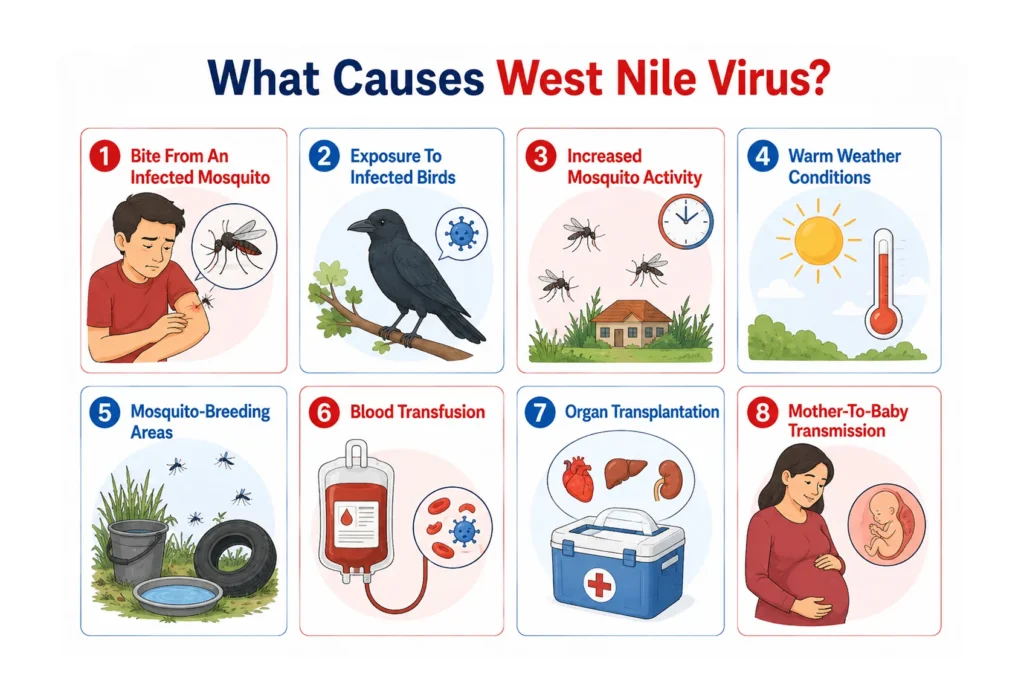
If you are worried about West Nile virus after a mosquito bite or another possible exposure, it is understandable to want to know exactly how the infection occurs. West Nile virus is caused by infection with the West Nile virus, a member of the Flavivirus group. It is primarily maintained in a cycle involving infected birds and mosquitoes, with people becoming infected through certain types of exposure.
Bite From An Infected Mosquito
The most common cause of West Nile virus infection is the bite of a mosquito carrying the virus. Mosquitoes, particularly Culex species, can acquire West Nile virus when they feed on infected birds. They can then transmit the virus to people during a later bite.
Exposure To Infected Birds
Birds play an important role in maintaining West Nile virus in the environment. Mosquitoes become infected after feeding on birds that have the virus circulating in their blood. Although people do not normally become infected simply by touching a bird, infected birds help sustain the mosquito-bird transmission cycle.
Increased Mosquito Activity
Greater mosquito activity can increase opportunities for West Nile virus transmission. In the United States, transmission is highest during summer and early fall, when mosquitoes are more active. This seasonal increase means exposure to mosquitoes during these periods can raise the opportunity for infection.
Warm Weather Conditions
Temperature can influence the conditions that support West Nile virus transmission. Warmer weather can affect mosquito development, activity, and the virus’s ability to circulate within mosquito populations. However, warm weather itself does not directly cause West Nile infection; infection requires exposure to the virus.
Mosquito-Breeding Areas
Areas that provide suitable conditions for mosquitoes can contribute to greater exposure to infected mosquitoes. Standing water and other mosquito-breeding sites can support mosquito populations around homes and communities. Reducing these breeding areas can help decrease the number of mosquitoes available to transmit West Nile virus.
Blood Transfusion
West Nile virus can rarely be transmitted through a blood transfusion from an infected donor. Because the virus can circulate in the bloodstream, donated blood can potentially transmit infection when appropriate screening or restrictions are not in place. This route is uncommon compared with mosquito-borne transmission.
Organ Transplantation
Organ transplantation is another rare route through which West Nile virus can spread. An infected donor can potentially transmit the virus to an organ recipient. Healthcare systems use screening, clinical assessment, and public health measures to help reduce this risk when West Nile virus activity is suspected.
Mother-To-Baby Transmission
In rare circumstances, West Nile virus can pass from an infected mother to her baby. Documented routes include transmission during pregnancy or delivery and, rarely, through breastfeeding. This type of transmission is uncommon, but it is recognized as a possible route of infection.
Dangerous West Nile Virus Symptoms
If symptoms develop after possible West Nile virus exposure, watch for signs that may indicate serious illness. Although most infections are mild, some can affect the brain, spinal cord, or nervous system. A 2025 systematic review found that 88% of patients with neuroinvasive disease had fever
, 58% had nausea or vomiting, and 50% had headache.
- High or persistent fever.
- Severe or worsening headache.
- Neck stiffness.
- Confusion or altered mental status.
- Extreme drowsiness.
- Tremors or uncontrolled movements.
- Seizures.
- Muscle weakness.
- Paralysis or difficulty moving.
- Trouble walking or maintaining balance.
- Loss of coordination.
- Repeated vomiting.
- Sensitivity to light.
- Loss of consciousness.
If these symptoms develop or worsen, seek prompt medical evaluation at the nearest emergency room, especially with confusion, seizures, severe weakness, or loss of consciousness.
West Nile Virus Treatments
If you or someone you care about has West Nile virus, it can be concerning to know that there is no specific medicine that eliminates the virus. Treatment focuses on relieving symptoms, maintaining hydration, and supporting the body while it recovers. Severe infections may require hospitalization and close monitoring.
Rest And Hydration
Rest and adequate fluid intake are important for people with mild West Nile virus illness. Drinking enough fluids can help prevent dehydration caused by fever, vomiting, or reduced intake. Patients should monitor their ability to drink and urinate normally.
Fever And Pain Relief
Over-the-counter medicines may help reduce fever, headaches, and body aches associated with mild illness. Acetaminophen is commonly recommended for symptom relief when appropriate for the individual. A healthcare professional can advise which medication is safest based on the patient’s health history.
Intravenous Fluids
People with severe illness or significant dehydration may need fluids through an intravenous (IV) line. IV hydration can help maintain fluid balance when someone cannot drink enough because of vomiting or severe illness. Hospital staff can monitor hydration and other vital functions during treatment.
Hospital Support For Severe Disease
Severe West Nile infection affecting the nervous system may require hospitalization and intensive supportive care. Treatment can include close monitoring, pain or nausea control, seizure management, and respiratory support when necessary. Patients with encephalitis or significant weakness may require particularly close observation.
When To Go To The ER
West Nile virus can occasionally progress to a serious neurological illness that requires immediate medical attention. If your condition is rapidly worsening or you develop signs of nervous system involvement, do not wait for symptoms to improve on their own.
- Sudden difficulty breathing or maintaining your airway.
- New inability to stand, walk, or use an arm or leg normally.
- Rapidly worsening weakness or loss of movement.
- A seizure that is prolonged or occurs repeatedly.
- Sudden inability to respond appropriately or stay awake.
- New loss of bladder or bowel control with weakness.
- Severe difficulty swallowing or speaking.
- Sudden vision loss or major changes in vision.
- Rapid deterioration after initially mild illness.
- Symptoms occurring in an older adult or immunocompromised person and worsening quickly.
West Nile Virus Care At Exceptional Emergency Centers
West Nile virus may cause serious illness in some people, particularly when neurological complications develop. If you have concerning or rapidly worsening symptoms, prompt emergency evaluation can help identify complications and provide appropriate supportive care. Visit our 24/7 emergency room for timely medical attention.
At Exceptional Emergency Centers, emergency physicians are available 24/7 to evaluate patients with serious infections and concerning symptoms. Our facilities offer on-site laboratory testing, imaging, and emergency care to help assess and manage urgent medical conditions.
Key Takeaways
- West Nile virus is a viral infection that can sometimes cause serious neurological illness.
- Most infected people have no symptoms or develop mild illness, but severe cases can affect the brain and nervous system.
- West Nile virus is most commonly transmitted through the bite of an infected mosquito.
- There is no specific antiviral treatment; care focuses on hydration, symptom relief, monitoring, and supportive treatment.
- Severe weakness, seizures, confusion, difficulty breathing, or loss of consciousness require immediate emergency medical care.
Frequently Asked Questions
Is West Nile Virus Deadly?
West Nile virus can be deadly, but fatal outcomes are uncommon among all infected people. Less than 1% of infected people develop severe neurological disease, and about 10% of those with neuroinvasive disease die. The risk is higher in older adults and people with weakened immune systems.
Is West Nile Virus Contagious?
West Nile virus is not usually contagious from person to person. It is primarily spread through the bite of an infected mosquito. Rare transmission can occur through blood transfusions, organ transplants, or from mother to baby during pregnancy, delivery, or breastfeeding.
How Long Does West Nile Virus Last?
For people who develop mild illness, most symptoms typically resolve within about 14 days, although fatigue and weakness can continue for weeks or months. Severe neurological disease can take several weeks or months to recover from, and some people may experience lasting complications.