

Food poisoning is an illness that occurs when you eat or drink something contaminated with harmful bacteria, viruses, parasites, or toxins that disrupt normal digestive function and trigger your immune system to respond. It can strike within hours of eating a single bad meal or take days to appear, depending on the specific pathogen involved, which makes it easy to dismiss early symptoms as something else until they become impossible to ignore. Understanding what food poisoning is, how it develops, and what your body is actually going through when it happens helps you make smarter, faster decisions about your care and recovery.
Most cases of food poisoning can be managed at home with rest and fluids, but some become medical emergencies that require immediate care. Knowing the warning signs can help you act quickly. If severe symptoms develop, visit our Amarillo emergency room for prompt 24/7 evaluation and treatment.
What Are the Symptoms of Food Poisoning?
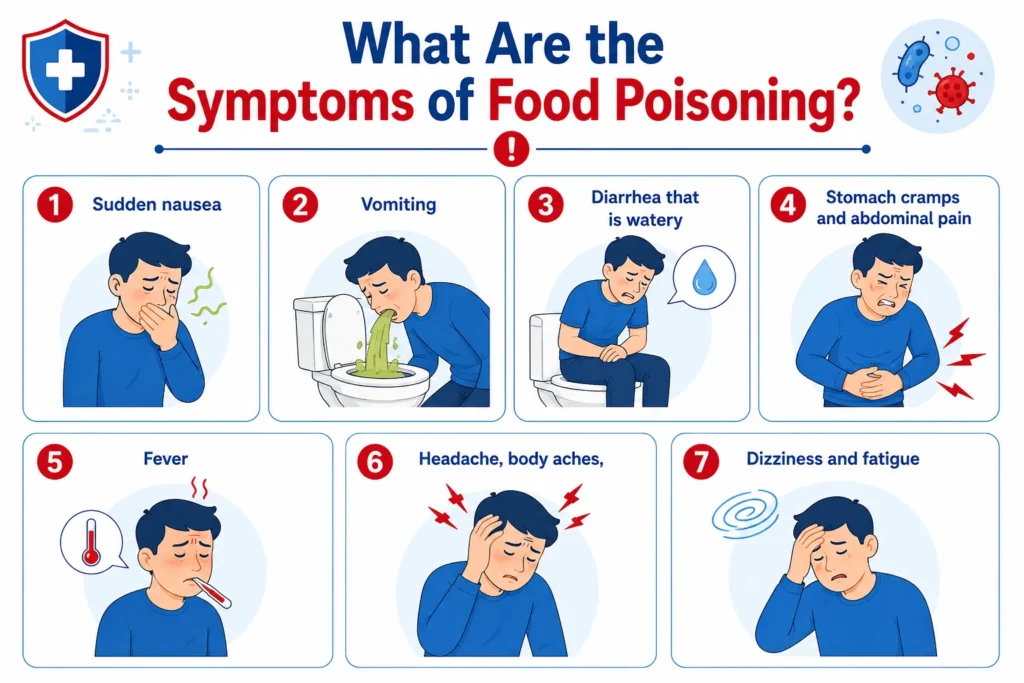
Food poisoning symptoms can vary significantly depending on the type of contamination involved, but most cases share a common set of warning signs that develop in the hours or days following exposure. According to MedlinePlus, symptoms typically appear between 30 minutes and several days after consuming contaminated food and can range from mild discomfort to severe and debilitating illness.
- Sudden nausea that develops quickly and may or may not be followed by vomiting
- Vomiting that is repetitive and prevents the person from keeping any fluids or food down
- Diarrhea that is watery, frequent, and may contain blood in more serious cases
- Stomach cramps and abdominal pain that range from mild pressure to severe and constant discomfort
- A fever that signals the body is actively fighting a bacterial or viral infection
- Headache, body aches, and general weakness that accompany the gastrointestinal symptoms
- Dizziness and fatigue worsen as fluid loss increases and dehydration begins to set in
If persistent nausea makes it difficult to eat, drink, or stay hydrated, prompt nausea treatments can help relieve symptoms and prevent dehydration from becoming more severe.
What Causes Food Poisoning?
Food poisoning is caused by consuming food or beverages contaminated at any point during production, handling, preparation, or storage. According to the CDC, approximately 48 million Americans experience foodborne illness every year from causes ranging from common household bacteria to more serious pathogens requiring medical treatment.
Bacterial Contamination
Bacteria are the most common cause and include Salmonella, E. coli, Listeria, and Campylobacter that thrive in improperly cooked or stored foods. Salmonella is most frequently linked to undercooked poultry and eggs, while E. coli commonly involves undercooked ground beef and contaminated produce. Once ingested, these bacteria multiply rapidly and produce toxins that trigger the inflammatory response responsible for food poisoning symptoms.
Viral Contamination
Norovirus is the most common viral cause and spreads through contaminated food, water, and surfaces touched by infected individuals who did not practice proper hand hygiene. Hepatitis A can contaminate shellfish and ready-to-eat foods when handled by an infected person without proper handwashing. Viral food poisoning spreads especially quickly in settings where food is prepared for large groups, such as restaurants, buffets, and catered events.
Toxins and Parasites
Some cases are triggered by toxins already produced in food before consumption, meaning the food does not need active contamination at the time of eating to cause illness. Staphylococcus aureus produces heat-stable toxins in improperly stored foods that cause rapid-onset vomiting within one to six hours. Parasites like Giardia and Cryptosporidium contaminate food and water sources and often require specific antiparasitic medications to fully resolve.
How Long Does Food Poisoning Last?
The duration of food poisoning depends on the type of pathogen involved, the quantity consumed, and the overall health and immune strength of the person affected. Most mild to moderate cases resolve within 1 to 3 days with adequate rest, hydration, and avoidance of foods that can further irritate the digestive system during recovery. More serious cases involving pathogens like Listeria or certain strains of E. coli can last considerably longer and may cause complications that require ongoing medical management well beyond the initial acute phase of the illness.
How to Treat Food Poisoning at Home?
Most food poisoning cases can be safely managed at home when symptoms are mild to moderate, and the person can keep small amounts of fluid down. The priority during recovery is staying hydrated and giving the digestive system the rest it needs to clear the infection naturally without making things worse.
- Drink small, frequent sips of water, diluted broth, or oral rehydration solutions rather than large amounts at once
- Avoid solid food until vomiting has stopped, then gradually reintroduce bland and easily digestible foods
- Stay away from dairy products, caffeine, alcohol, and anything fatty or heavily seasoned until symptoms have fully resolved
- Rest as much as possible and monitor your symptoms closely for any signs of worsening that suggest the situation is beyond home management
- Address bloating and abdominal discomfort with warmth and rest rather than over-the-counter medications that can sometimes interfere with the body’s natural clearance process
Who Is Most at Risk for Food Poisoning?
While food poisoning can affect anyone who consumes contaminated food, certain groups are significantly more vulnerable to serious complications that may require emergency medical care.
- Young children whose immune systems are still developing and who can become dangerously dehydrated very quickly
- Elderly adults who have reduced immune function and a diminished ability to fight off bacterial and viral pathogens effectively
- Pregnant women face heightened vulnerability to pathogens like Listeria that can seriously harm the developing fetus
- People with chronic illnesses, autoimmune conditions, or those taking medications that suppress the immune system
- Anyone who has consumed a large quantity of a highly toxic pathogen in a short period of time, regardless of their baseline health
When to Go to the ER for Food Poisoning?
Most food poisoning cases resolve without emergency care, but certain symptoms signal a medical emergency that should not be managed at home any longer. Severe diarrhea that cannot be controlled alongside other serious symptoms is one of the clearest indicators that professional evaluation is needed without delay. Visit Exceptional Emergency Centers immediately if you experience any of the following.
- Blood in the stool or vomit, which indicates a more serious infection or gastrointestinal complication requiring immediate evaluation
- Signs of severe dehydration include extreme thirst, dry mouth, no urination for 8 or more hours, dizziness, or confusion
- High fever above 102°F that does not respond to over-the-counter fever-reducing medications
- Vomiting is so persistent that you cannot keep any fluids down for 12 to 24 hours or more
- Neurological symptoms, including blurred vision, muscle weakness, slurred speech, or difficulty swallowing
- Worsening abdominal pain that becomes severe, localized, or accompanied by rigidity in the abdomen
- Symptoms in infants, young children, elderly adults, pregnant women, or anyone with a compromised immune system that are worsening rather than improving
If these warning signs develop, don’t delay seeking care at your nearest emergency room, where rapid evaluation and treatment can help prevent serious complications.
Food Poisoning Care at Exceptional Emergency Centers
When food poisoning escalates beyond what rest and hydration can manage at home, fast medical evaluation prevents serious complications from developing further. At our 24/7 emergency room, Exceptional Emergency Centers, our team provides immediate IV fluid therapy, anti-nausea medication, and diagnostic testing for patients with severe food poisoning symptoms around the clock. Do not wait until symptoms become more serious and worsen. Visit Exceptional Emergency Centers today for prompt care that stabilizes your condition and gets you on the path to recovery.