
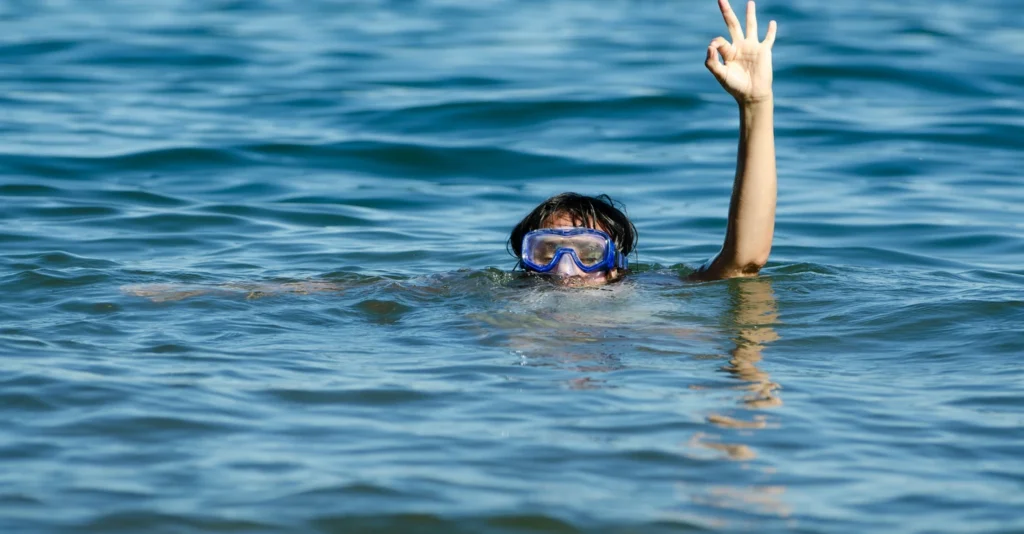
Swimming is a great way to stay active, relax, and spend quality time with family and friends. However, swimming pools can also pose serious safety risks when proper precautions are not followed. According to the Centers for Disease Control and Prevention (CDC), drowning remains one of the leading causes of accidental injury-related deaths among children, highlighting the importance of water safety awareness.
Understanding how to prevent drowning in a swimming pool begins with education, preparation, and supervision. By following swimming pool safety guidelines, using appropriate safety equipment, and knowing how to respond during emergencies, families can significantly reduce risks and create a safer swimming environment for everyone. While prevention is always the goal, accidents can still happen. If a loved one experiences a drowning-related emergency, prompt medical attention is critical. Visit Exceptional Emergency Centers at our Amarillo emergency room, emergency room Amarillo, TX, emergency room Beaumont, TX, Fort Worth ER, emergency rooms in Orange County, Port Arthur emergency room, and Tyler emergency room for fast, professional care when every second counts.
Understanding the Risks Around Swimming Pools
Many drowning incidents occur when people least expect them. While young children are particularly vulnerable, drowning can affect swimmers of any age and skill level. Even experienced swimmers may encounter unexpected emergencies such as fatigue, medical issues, or slips and falls around the pool area.
Because drowning can happen quickly and often silently, prevention should always be the primary focus. Recognizing potential hazards before an accident occurs is one of the most effective ways to improve swimming pool safety and protect loved ones.
Essential Drowning Prevention Strategies
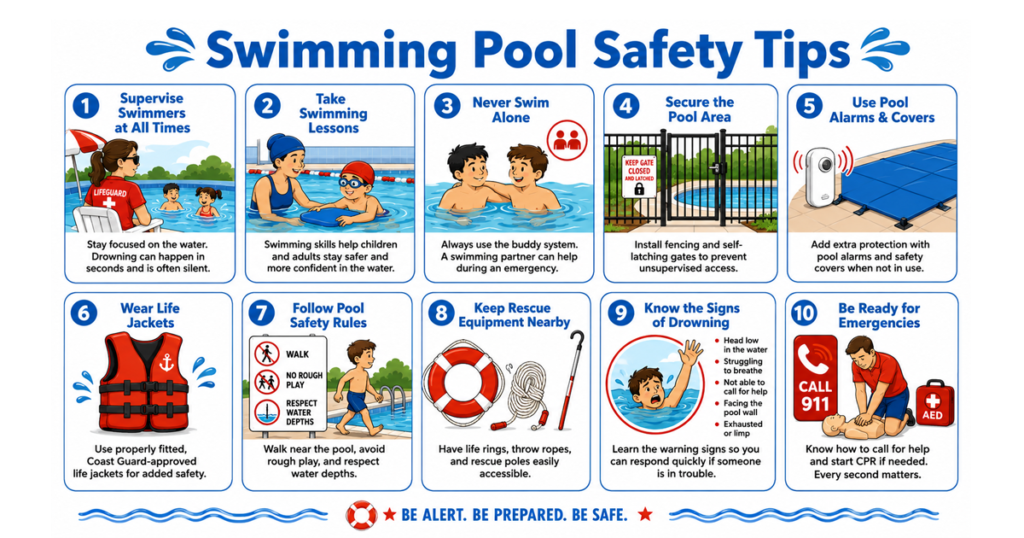
Preventing drowning requires a combination of supervision, preparation, education, and environmental safety measures. No single safety precaution is enough on its own, which is why experts recommend using multiple layers of protection.
Implementing these strategies consistently can help reduce the likelihood of accidents and create a safer experience for swimmers of all ages.
Maintain Constant Supervision
One of the most important drowning prevention measures is active supervision. Children should never be left unattended near a pool, even for a few moments. A lapse in attention can be enough for a serious incident to occur.
Adults supervising swimmers should avoid distractions such as texting, phone calls, reading, or multitasking. Assigning a designated “water watcher” helps ensure someone is always focused on swimmer safety.
Invest in Swimming Lessons
Swimming lessons help individuals develop confidence and essential water survival skills. Learning how to float, tread water, and safely reach the side of a pool can improve a swimmer’s ability to respond during unexpected situations.
Formal swim instruction benefits both children and adults. Even strong swimmers can gain valuable safety knowledge that may help prevent accidents in the future.
Use the Buddy System
Swimming with a companion provides an additional level of protection. If a swimmer becomes fatigued, injured, or experiences distress, another person can immediately call for help or provide assistance.
The buddy system is a simple but highly effective safety practice that should be encouraged whenever people are participating in water activities.
Important Swimming Pool Safety Rules
Establishing and enforcing pool safety rules helps create a safer environment for everyone. Consistent rules reduce risky behaviors and encourage swimmers to make safer decisions around water.
Whether at a residential pool or a public facility, following these guidelines can significantly lower the risk of injury and drowning.
Walk Carefully Around the Pool
Pool decks often become slippery due to splashing and wet surfaces. Running near the pool can lead to falls, head injuries, fractures, and accidental entry into the water.
Encouraging both children and adults to walk carefully helps prevent unnecessary accidents and promotes safer pool use.
Respect Pool Depth Markers
Before entering the water, swimmers should become familiar with the depth of the pool. Diving into shallow water can result in severe injuries involving the neck, spine, and head.
Understanding pool depth also helps swimmers choose areas that match their comfort level and swimming abilities.
Avoid Rough Play
Horseplay, pushing, and aggressive behavior around the pool can quickly become dangerous. What begins as harmless fun may lead to falls, collisions, or unexpected submersion.
Creating clear expectations for safe behavior helps reduce risks and encourages responsible pool use.
Secure Your Swimming Pool Area
Restricting access to the pool is one of the most effective ways to prevent accidental drownings. This is especially important for households with young children who may be naturally curious about water.
A combination of physical barriers and safety devices provides stronger protection than any single measure alone.
Install Pool Fencing
A properly installed fence can help prevent unsupervised access to the swimming pool. Fencing should completely surround the pool and include self-closing, self-latching gates whenever possible.
Pool barriers are widely recognized as one of the most effective drowning prevention tools for families with children.
Use Pool Alarms and Safety Covers
Pool alarms can alert homeowners when someone enters the pool area unexpectedly. Safety covers add another layer of protection when the pool is not being used.
Although these devices should never replace supervision, they can help reduce the risk of accidental access and provide additional peace of mind.
Remove Toys After Swimming
Children may be tempted to approach the pool if toys are left floating in the water or scattered around the deck. Removing toys after use helps eliminate this temptation.
Keeping the pool area organized also reduces tripping hazards and contributes to a safer environment.
Swimming Pool Safety Equipment Every Family Should Have
Emergency situations can occur despite taking preventive measures. Having the proper safety equipment nearby can improve response times and increase the likelihood of a positive outcome.
Every pool owner should ensure safety equipment is accessible, functional, and regularly inspected.
Life Jackets and Personal Flotation Devices
Life jackets provide valuable support for inexperienced swimmers and young children. Unlike inflatable toys, approved flotation devices are specifically designed to help keep users afloat in the water.
Selecting the correct size and fit is essential for ensuring maximum protection.
Rescue Equipment
Rescue equipment allows bystanders to assist someone in distress while minimizing risks to themselves.
Recommended items include:
- Life rings
- Rescue tubes
- Throw ropes
- Reaching poles
- Shepherd’s hooks
Having these tools nearby can help responders act quickly during an emergency.
First Aid and Emergency Supplies
A well-stocked first aid kit should be easily accessible near the pool area. Prompt treatment of minor injuries and quick access to emergency supplies can make a significant difference when accidents occur.
Useful supplies include bandages, antiseptic wipes, gloves, emergency contact information, and a CPR mask.
Recognizing the Signs of Drowning
Many people expect drowning victims to yell, wave, or splash dramatically. In reality, drowning is often silent and may be difficult to recognize without proper awareness. Learning the warning signs can help bystanders intervene sooner and potentially save a life. Individuals experiencing difficulty in the water may display subtle but important warning signs.
These signs may include:
- Head low in the water
- Mouth at water level
- Difficulty breathing
- Glassy or unfocused eyes
- Little or no leg movement
- Inability to move toward safety
- Attempting to roll onto the back
- Sudden silence after visible distress
How to Respond During a Drowning Emergency
Quick and appropriate action is critical when a drowning emergency occurs. Remaining calm and following established rescue principles can help protect both the victim and the rescuer.
Knowing what to do before an emergency happens can improve response times and reduce panic.
Call for Help Immediately
Emergency services should be contacted as soon as a drowning incident is recognized. Professional medical assistance is essential, even if the individual appears to recover initially. Assigning someone specific to make the call helps ensure no time is lost during the emergency.
Use Reach or Throw Rescue Techniques
Whenever possible, assist the victim without entering the water. Reaching with a pole, towel, or other object allows rescuers to help from a safe distance.
Throwing flotation devices such as life rings or rescue tubes can also provide immediate support until additional help arrives.
Begin CPR When Necessary
If the person is unresponsive and not breathing normally after being removed from the water, CPR should begin immediately if you are trained. Prompt CPR can help maintain oxygen flow and circulation until emergency medical professionals arrive.
When to Go to the ER
Even if a swimmer seems fine after a near-drowning incident, certain symptoms should never be ignored. Medical evaluation may be necessary to identify hidden complications and ensure proper treatment.
Seek emergency medical attention if someone experiences:
- Difficulty breathing
- Persistent coughing
- Chest discomfort
- Loss of consciousness
- Extreme fatigue
- Confusion or unusual behavior
- Bluish skin or lips
- Seizures or unresponsiveness
Prompt care can help prevent complications and improve recovery outcomes. If your loved one experiences any of these symptoms following a drowning or near-drowning incident, visit Exceptional Emergency Centers at our Amarillo emergency room, emergency room Amarillo TX, emergency room Beaumont, TX, Fort Worth ER, emergency rooms in Orange County, Port Arthur emergency room, and Tyler emergency room, where experienced medical professionals can provide the urgent care they need.
Why Choose Exceptional Emergency Centers
Water-related emergencies require immediate attention and expert medical care. At Exceptional Emergency Centers, our experienced healthcare professionals are available to evaluate and treat patients experiencing breathing difficulties, near-drowning complications, and other urgent medical concerns.
Our modern facilities are equipped with advanced diagnostic technology and staffed by skilled emergency providers who prioritize fast, compassionate care. Whether you need emergency treatment after a water-related incident or evaluation for concerning symptoms, Exceptional Emergency Centers is committed to delivering high-quality care when every second counts.
Key Takeaways
- Active supervision is one of the most effective ways to prevent drowning.
- Swimming lessons help build confidence and improve water survival skills.
- Pool fencing, alarms, and safety covers can reduce unsupervised pool access.
- Every pool should have rescue equipment, flotation devices, and first aid supplies nearby.
- Recognizing the signs of drowning early can help save lives.
- Seek immediate emergency medical care if someone experiences concerning symptoms after a drowning or near-drowning incident.