

Key Takeaways
- Fever is a temporary rise in body temperature, usually triggered by infection or inflammation.
- Most fevers resolve within 3–5 days, but some can last longer depending on the cause.
- High fevers (≥103 °F / 39.4 °C) or persistent symptoms require prompt medical attention.
- Duration and severity depend on the underlying cause, whether viral, bacterial, or other conditions.
- Recognizing warning signs early ensures timely treatment and prevents complications.
- For severe symptoms that do not improve, seeking care at an Amarillo emergency room ensures you receive the necessary medical evaluation.
What Is A Fever?
A fever is a natural response of the body to infection or inflammation. It occurs when the hypothalamus raises the body’s temperature set-point, helping the immune system fight pathogens more effectively. Fever can appear in viral illnesses like influenza or COVID-19, as well as in non-infectious conditions such as autoimmune disorders. In a meta-analysis of 17,515 COVID-19 patients, 79.4% experienced fever, highlighting how commonly it accompanies systemic infections.
What Is Considered A Fever?
Fever is a natural response of the body to illness, infection, or inflammation, signaling that your immune system is actively working to fight off harmful agents. Experiencing a fever can be uncomfortable, sometimes alarming, and often affects energy levels, appetite, and overall well-being.
- Low-Grade Fever: 100–101 °F (37.8–38.3 °C), common in mild viral infections, seen in about 45–50% of cases.
- Moderate Fever: 101–102 °F (38.3–38.9 °C), indicates a stronger immune response, often in bacterial infections. Occurs in roughly 30–35% of symptomatic patients.
- High Fever: Above 102 °F (38.9 °C), may signal serious infection or inflammation; affects 15–20% of patients.
- Very High or Hyperpyrexia: Over 104 °F (40 °C), rare and potentially dangerous, seen in less than 5% of cases, requiring urgent medical attention.
Fever Symptoms That Signal Danger
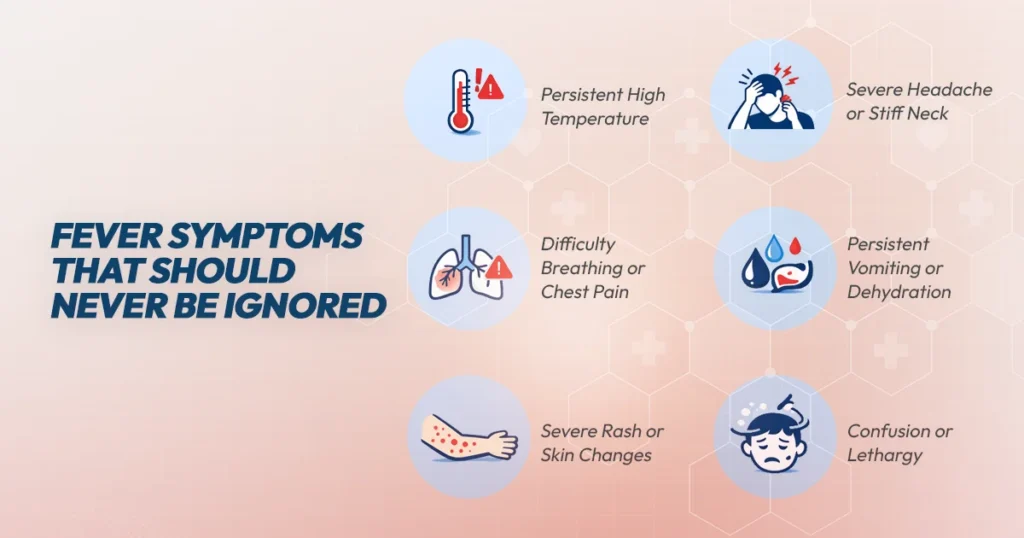
Certain fever symptoms may indicate a serious underlying condition and require prompt medical attention. Watch for the following warning signs:
- Persistent High Temperature: Fever ≥103 °F (39.4 °C) that doesn’t respond to medication or lasts more than a few days.
- Severe Headache or Stiff Neck: Could indicate meningitis or other central nervous system infections.
- Difficulty Breathing or Chest Pain: May point to pneumonia or other serious respiratory issues.
- Confusion or Lethargy: Signs of sepsis or neurological complications.
- Severe Rash or Skin Changes: Rapidly spreading rash, bruising, or purple spots can signal dangerous infections.
- Persistent Vomiting or Dehydration: Inability to keep fluids down may require urgent care.
If you or a loved one experience any of these red flags, do not hesitate to visit the emergency room near me for immediate evaluation.
What Causes Fever?
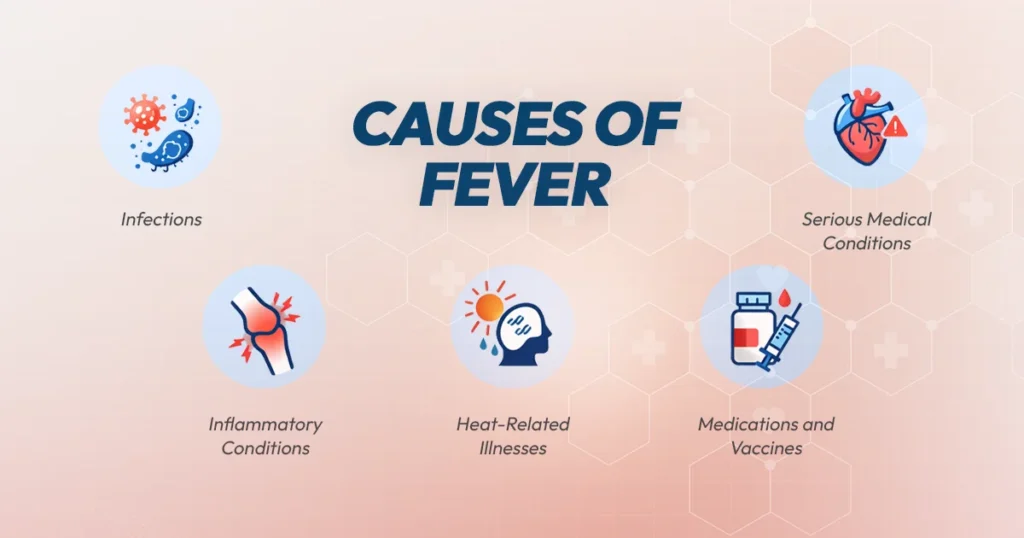
Fever is the body’s natural defense mechanism, signaling that something is affecting your health. It often indicates that the immune system is actively fighting off harmful agents, whether infections, inflammation, or other underlying conditions. While experiencing a fever can be uncomfortable, understanding the potential causes can help you monitor your health and seek timely medical care when necessary.
- Infections: Bacterial, viral, or fungal infections trigger the immune system to raise body temperature. Common illnesses include influenza, COVID‑19, urinary tract infections, and pneumonia.
- Inflammatory Conditions: Autoimmune or inflammatory disorders, such as rheumatoid arthritis or lupus, can cause recurring or persistent fevers.
- Heat-Related Illnesses: Heat exhaustion or heatstroke occurs when the body overheats, leading to dangerously high temperatures.
- Medications and Vaccines: Certain medications, such as antibiotics or immunizations, may cause temporary fevers as a side effect.
- Serious Medical Conditions: Less common but significant causes include cancers (like leukemia or lymphoma) and endocrine disorders such as hyperthyroidism.
How Long Will A Fever Last
Most fevers from common infections resolve within 3–5 days, though duration can vary by cause and individual health. Mild fevers often improve with rest and hydration, while severe or persistent fevers require medical evaluation.
- Influenza (Flu): Fever typically lasts 3–4 days, often accompanied by chills, body aches, and fatigue. Most symptoms improve within a week.
Also Read: Flu A vs Flu B: Which is Worse?
- COVID-19: Fever usually lasts 2–7 days, though some patients may experience low-grade fevers for up to 10 days during the course of the illness.
Also Read: COVID-19 vs. Flu Symptoms
- Pneumonia: Fever may persist for 5–7 days or longer, depending on whether it is bacterial or viral and the timeliness of treatment.
- Urinary Tract Infection (UTI): Fever can last 1–3 days after starting antibiotics, but prolonged fever may indicate complications.
- Other Serious Infections: Conditions like sepsis or meningitis may cause fever that persists beyond a week and require urgent medical care.
How To Treat A Fever
Fever can be uncomfortable and sometimes worrying, but it is often the body’s natural way of fighting infection. While many mild fevers resolve on their own, proper management can help reduce discomfort, prevent complications, and support recovery. Understanding both home care and specialized ER treatment for high fever ensures you respond appropriately and safely if the fever persists or worsens.
- Acetaminophen (Paracetamol): Reduces fever and relieves pain. Should be used as recommended by a doctor, following proper dosing instructions.
- Ibuprofen: Helps lower body temperature and ease body aches. Must be taken under doctor’s guidance, especially in children or those with certain health conditions.
- Antibiotics: Prescribed by a doctor only if a bacterial infection is confirmed. They do not work for viral fevers and misuse can cause resistance.
- Intravenous (IV) Fluids: Administered under medical supervision for severe or persistent fevers to prevent dehydration and support recovery.
- Hospital Monitoring: Required for high fevers (≥103 °F / 39.4 °C), persistent fevers, or when accompanied by serious symptoms, to provide immediate care and treatment adjustments.
Home Remedies for a Fever
Managing a mild fever at home can help reduce discomfort and support the body’s natural healing process. These remedies are safe, supportive, and often effective when the fever is not severe:
- Stay Hydrated: Drink plenty of water, herbal teas, or electrolyte solutions to prevent dehydration and help regulate body temperature.
- Rest and Sleep: Allow your body to recover by getting adequate rest and avoiding strenuous activity.
- Light Clothing: Wear breathable, lightweight clothing and keep the room cool to help your body dissipate heat.
- Cool Compresses: Applying a damp, lukewarm cloth to the forehead, neck, or wrists can help lower body temperature gently.
- Warm Baths (Not Cold): A lukewarm bath can provide comfort and help stabilize temperature without causing shivering.
- Nutritious Diet: Eating light, easily digestible meals rich in vitamins and minerals can support the immune system during a fever.
When to Seek Emergency Care for a Fever
While most fevers are mild and resolve with rest and proper care, certain symptoms can indicate a serious underlying condition that requires immediate medical attention. Prompt evaluation can prevent complications and ensure timely treatment. Knowing the red-flag signs helps you act quickly to protect your health.
- Fever ≥103 °F (39.4 °C) that persists.
- Severe headache or stiff neck.
- Difficulty breathing or chest pain.
- Confusion, lethargy, or unusual drowsiness.
- Rapidly spreading rash or skin changes.
- Persistent vomiting or signs of dehydration.
If fever symptoms become severe or unusual, emergency evaluation may be necessary. Exceptional Emergency Centers provide 24/7 emergency care for serious symptoms and complications.
Exceptional Emergency Centers For Fever Concerns
Fever can sometimes signal more than a minor infection, especially when it persists, spikes high, or comes with severe symptoms. At Exceptional Emergency Centers, our skilled medical team provides rapid evaluation, on-site diagnostics, and timely treatment to address potentially serious conditions and help prevent complications.
Are you asking yourself, “how long does a fever last?” Persistent or unusually high fevers, especially with chest pain, severe headache, or confusion, require immediate attention. Exceptional Emergency Centers offer 24/7 emergency care, including a specialized emergency room for pediatrics, personalized treatment, and continuous monitoring to ensure your health and safety are prioritized.
Frequently Asked Questions
Does Ibuprofen Reduce Fever?
Yes, ibuprofen can reduce fever. It works by lowering the body’s temperature set-point in the hypothalamus and helps relieve associated pain and inflammation. It should be taken as recommended by a doctor.
What Is a Fever Dream?
A fever dream is a vivid, often unsettling dream that occurs during a fever. Elevated body temperature disrupts normal sleep patterns, making dreams more intense or confusing. They are usually harmless and resolve once the fever decreases.
Can A Sinus Infection Cause Fever?
Yes, a sinus infection can cause a fever. It occurs as the body’s immune system responds to infection in the sinuses. Higher or persistent fevers with severe symptoms should be evaluated by a doctor.