
Key Takeaways
- Typical Duration: Most heat rashes improve within 2–3 days when the skin is kept cool, dry, and friction is minimized.
- Severe Cases: More intense or persistent heat rashes may last up to a week or longer, especially in hot, humid conditions or with ongoing sweat buildup.
- Symptoms Range: Can include heat rash, blisters, heat bumps on the face, prickly heat, heat hives, and clusters of itchy bumps.
- Who It Affects: Can occur in all ages, including heat rash in adults, newborns, and active individuals experiencing sweat rash or perspiration skin rash.
- If symptoms persist beyond a week, worsen, or show signs of infection, seek medical care promptly (e.g., our emergency room in Tyler).
What Is A Heat Rash
Heat rash, medically known as miliaria, is a skin condition that occurs when sweat ducts become blocked, trapping perspiration under the skin and causing irritation. It is most common in hot, humid environments or during intense physical activity, where sweat production is high and ventilation is limited. Heat rash can appear anywhere sweat accumulates, including the arms, legs, chest, back, armpits, and face.
Epidemiological studies show that miliaria affects up to 30% of people living in hot, humid climates and occurs in approximately 4.5%–9% of neonates, demonstrating its prevalence across age groups.
Heat Rash Symptoms
- Tiny red or clear bumps on the skin, sometimes forming heat rash blisters.
- Itchy or prickly sensations, particularly in heat-prone areas like armpits, back, or chest.
- Clusters of raised spots in sweat-prone regions, including arms, legs, and face.
- Warm, irritated skin that may burn or feel prickly.
- Occasional heat rash and allergic reaction, making the skin hypersensitive.
How Long Does Heat Rash Take To Go Away
Most heat rashes improve within 2–3 days when the skin is cooled and kept dry. Mild cases resolve quickly with breathable clothing and reduced friction. Severe or persistent cases, especially in high humidity or prolonged sweating, may last up to a week or longer. Early intervention, such as cooling compresses or topical treatments, can shorten duration and prevent complications.
What Do Heat Rashes Look Like
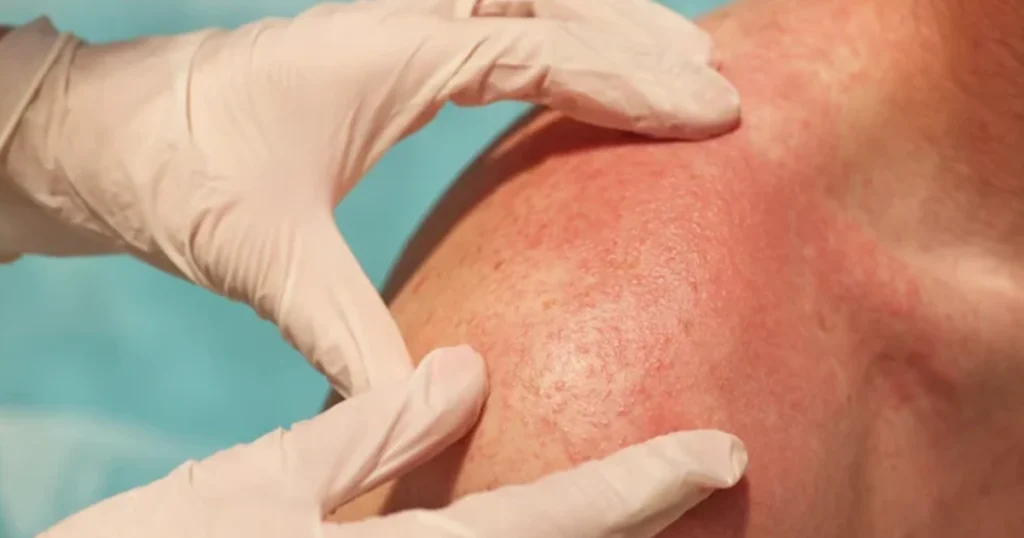
Heat rash can be uncomfortable, itchy, and sometimes painful. It usually develops in areas where sweat collects or friction occurs. While its appearance varies, early recognition ensures appropriate care and comfort. Heat rash can also resemble heat bumps, hives from heat, or perspiration skin rash, so knowing the signs is important.
- Mild Clear Bumps: Tiny, fluid-filled bumps that may break easily; common on arms, legs, chest, and face.
- Inflamed Red Bumps: Clusters of small red or pink bumps, often itchy or burning.
- Deeper Prickly Heat: Larger, firm bumps causing a prickly sensation under the skin.
- Pustular Spots: Severe blockage may result in pus-filled bumps, sometimes seen on the back or armpit.
What Causes Heat Rash
Heat rash occurs when sweat ducts become blocked, trapping sweat under the skin. Risk factors include hot, humid weather, prolonged physical activity, tight or non-breathable clothing, and excessive sweating. Anyone can develop heat rash, including adults, children, and athletes exposed to sweat rash or heat hives.
Blocked Sweat Ducts
Sweat ducts can become clogged when sweat cannot escape the skin surface, leading to trapped fluid and irritation. This causes redness, bumps, or heat rash blisters, and prolonged blockage can worsen discomfort.
Hot, Humid Weather
High temperature and humidity prevent sweat from evaporating, increasing the likelihood of duct blockage. Those living or working in such conditions are more susceptible to heat rash on the back, chest, or legs.
Tight or Non‑Breathable Clothing
Clothing that restricts airflow traps heat and moisture against the skin. Friction in areas like the armpits, chest, or back can block sweat glands, leading to bumps and rash. Breathable fabrics like cotton reduce the risk.
Physical Activity & Sweat Buildup
Exercise or prolonged activity increases sweat production, sometimes overwhelming sweat ducts. Trapped sweat leads to irritation, bumps, and heat bumps on the face or arms, especially in hot environments.
Can Heat Rash Spread
Yes. Although heat rash is not contagious, it can spread to nearby areas if sweat and friction continue. Maintaining cool, dry skin and wearing breathable clothing helps prevent further spread and promotes healing.
What To Do For Heat Rash
Heat rash often improves with gentle cooling, reducing sweat exposure, and avoiding friction. Persistent itching or worsening rash may require medical attention. Effective heat rash treatments include:
- Cooling and Airflow: Move to a cool environment and reduce sweating.
- Loose, Breathable Clothing: Cotton or moisture-wicking fabrics minimize sweat buildup.
- Cool Baths/Compresses: Soothes irritation and aids healing.
- Calamine Lotion: Relieves itchiness and irritation.
- Hydrocortisone Cream: Mild OTC steroid cream can help with severe itching.
- Topical Antihistamines: Reduce itch in sensitive areas.
- Avoid Heavy Lotions: Oily creams can block pores and worsen symptoms.
Exceptional Emergency Centers for Heat Rash Relief
If you are dealing with persistent or severe heat rash, Exceptional Emergency Centers offer prompt, professional evaluation to ensure proper care. Our medical team can assess the severity of your rash, check for complications like infection, and recommend safe treatments to soothe irritation and speed recovery. Early attention can prevent the rash from worsening and help you feel comfortable faster.
Wondering how long does heat rash last? At Exceptional Emergency Centers, we provide emergency care, tailored treatments, including topical therapies, cooling methods, and guidance on preventing heat rash in the future. Our compassionate staff ensures patients receive fast, reliable care to keep skin healthy and reduce discomfort.